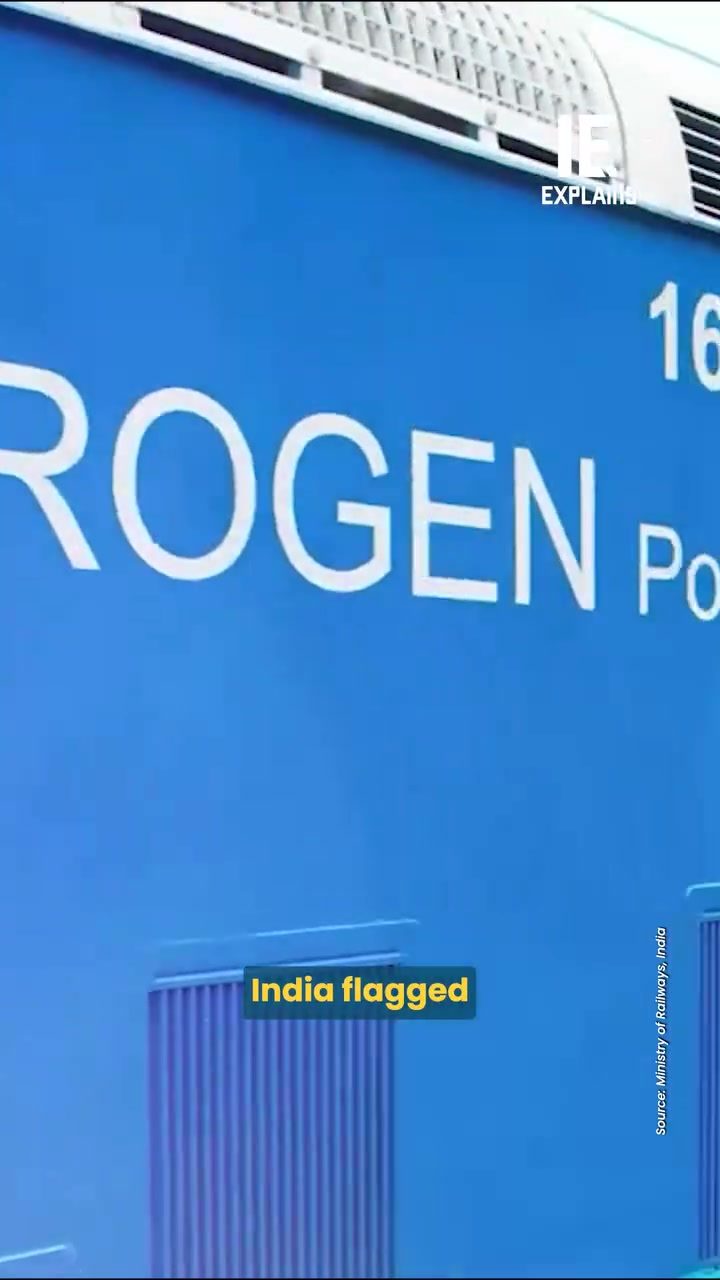
Hydrogen Fuel Cell Trains: The Future of Sustainable Rail Travel
India has made a significant stride in sustainable transportation with the launch of its first hydrogen-powered passenger train. This groundbreaking initiative, flagged off by Prime Minister Modi from Jind, Haryana, marks a new era in environmentally-friendly rail travel. The train, which runs on a 1200-kilowatt hydrogen fuel cell propulsion system, carries nearly 2,600 passengers over an 89-kilometer route from Jind to Sonipat. This article delves into the engineering behind this innovative train, its benefits, and the reasons why hydrogen fuel cells are preferred over traditional overhead wires.
Context / Why This Matters
The introduction of hydrogen fuel cell trains is a pivotal moment in the global push towards cleaner, more sustainable transportation. Unlike conventional electric trains that rely on overhead wires for power, hydrogen fuel cell trains generate their own electricity onboard. This technology not only reduces dependence on fossil fuels but also eliminates the need for extensive infrastructure changes, such as laying overhead wires.
The Engineering Behind Hydrogen Fuel Cell Trains
Proton-Exchange Membrane Fuel Cell Technology
The heart of the hydrogen fuel cell train is the proton-exchange membrane (PEM) fuel cell. This technology converts the chemical energy from hydrogen into electrical energy, which powers the train. The process involves reacting hydrogen with oxygen, producing water vapor as the only exhaust. This makes hydrogen fuel cells an exceptionally clean and efficient source of power.
Hydrogen Fuel Cell Propulsion
The hydrogen fuel cell train uses a 1,200-kilowatt propulsion system, which is significantly more powerful than traditional diesel engines. The train can operate at a maximum speed of 75 km/h and has a design speed of 110 km/h, making it both efficient and capable of handling varied terrain. The hydrogen fuel used in this train is made locally by splitting water, ensuring a steady supply of green hydrogen.
Onboard Electricity Generation
One of the standout features of the hydrogen fuel cell train is its ability to generate electricity onboard. This eliminates the need for overhead wires, which are often cost-prohibitive and require extensive infrastructure. By generating its own power, the train can operate in areas where electrification has not reached, thereby extending its reach and enhancing connectivity.
Hydrogen vs. Electricity: The Case for Hydrogen
Cleaner and More Efficient
Hydrogen fuel packs almost three times the energy of diesel, making it a highly efficient fuel source. Additionally, the only byproduct of the hydrogen fuel cell process is water vapor, making it a zero-emission solution. This is a significant advantage over diesel and even some electric trains, which may rely on power generated from fossil fuels.
Versatility and Flexibility
Hydrogen fuel cell trains are particularly useful in regions where electrification is challenging or not economically viable. They can operate on existing rail infrastructure without the need for overhead wires, making them a versatile solution for rural and remote areas. This versatility is one of the key reasons why several countries, including Germany, Japan, and China, are investing in hydrogen fuel cell technology.
Environmental Impact
The environmental benefits of hydrogen fuel cell trains are profound. By eliminating the need for overhead wires and reducing reliance on diesel, these trains significantly lower carbon emissions. The use of green hydrogen, produced through the electrolysis of water, further enhances their sustainability credentials.
Practical Tips for Adopting Hydrogen Fuel Cell Technology
Infrastructure Planning
While hydrogen fuel cell trains offer numerous advantages, their adoption requires careful planning. Key considerations include the establishment of hydrogen production facilities, fuel storage, and distribution networks. Ensuring a reliable supply of green hydrogen is crucial for the long-term viability of this technology.
Training and Maintenance
Training personnel in the operation and maintenance of hydrogen fuel cell technology is essential. This includes understanding the specific requirements of hydrogen fuel cells, ensuring safe handling of hydrogen, and conducting regular maintenance to keep the trains running efficiently.
Policy and Regulation
Governments play a critical role in promoting the adoption of hydrogen fuel cell trains. Policies that incentivize the use of green hydrogen and support research and development in this field are essential. Additionally, regulations that ensure the safety and efficiency of hydrogen fuel cell operations are important.
Important Takeaways
Zero Emissions
Hydrogen fuel cell trains emit only water vapor, making them zero-emission vehicles. This is a significant step towards achieving sustainable transportation goals.
Energy Efficiency
Hydrogen fuel cells are more energy-efficient than traditional diesel engines, offering nearly three times the energy density. This makes them a more sustainable and cost-effective option in the long run.
Infrastructure Benefits
The ability to generate electricity onboard eliminates the need for extensive infrastructure changes, such as laying overhead wires. This makes hydrogen fuel cell trains a versatile solution for both urban and rural areas.
Global Adoption
Countries like Germany, Japan, and China are already investing in hydrogen fuel cell technology, recognizing its potential to revolutionize rail travel. India's entry into this club further underscores the global shift towards sustainable transportation.
Conclusion
The launch of India's first hydrogen-powered passenger train is a groundbreaking development in the realm of sustainable transportation. By leveraging the power of hydrogen fuel cells, these trains offer a cleaner, more efficient, and versatile solution for rail travel. As more countries adopt this technology, the future of transportation looks increasingly green and sustainable. The success of this initiative in India sets a commendable precedent for other nations to follow, paving the way for a more environmentally friendly and energy-efficient future.
Watch the Reel
Questions readers ask
What makes India's first hydrogen-powered train environmentally friendly?
India's first hydrogen-powered train is environmentally friendly because it generates its own electricity using a hydrogen fuel cell propulsion system. This process reduces the train's reliance on fossil fuels, which are major contributors to greenhouse gas emissions. Additionally, the only byproduct of this hydrogen fuel cell process is water, making it a clean and sustainable energy source.
How does the hydrogen fuel cell propulsion system work in the train?
The hydrogen fuel cell propulsion system in the train combines hydrogen with oxygen from the air to produce electricity. This electricity is then used to power the train's electric motors, eliminating the need for traditional overhead wires and diesel engines. The process is efficient and produces no harmful emissions, unlike conventional power systems.
What are the key benefits of using hydrogen fuel cells in trains compared to traditional methods?
Hydrogen fuel cells offer several benefits over traditional methods. They reduce dependence on fossil fuels, which helps lower carbon emissions. They are also more cost-effective in the long run as hydrogen is abundant and can be produced from renewable sources. Additionally, hydrogen fuel cells provide a consistent power supply, making them reliable for rail travel.
How far and how many passengers can the hydrogen-powered train travel?
The hydrogen-powered train operates on an 89-kilometer route between Jind and Sonipat. It can carry approximately 2,600 passengers in a single trip. This capacity makes it a viable option for passenger transportation, balancing sustainability and practicality.
Why was the Jind to Sonipat route chosen for the launch of India's first hydrogen-powered train?
The Jind to Sonipat route was chosen for the launch of India's first hydrogen-powered train for its strategic and logistical advantages. This route allows the train to demonstrate its capabilities in a real-world setting, showcasing the potential for sustainable rail travel across various terrains and conditions. It also serves as a practical model for future hydrogen-powered rail networks.
What is the significance of Prime Minister Modi's involvement in the launch of this train?
Prime Minister Modi's involvement in the launch of India's first hydrogen-powered train highlights the government's commitment to promoting sustainable transportation solutions. His presence at the launch event underscores the importance of this initiative in India's broader strategy to reduce its carbon footprint and transition to cleaner energy sources in the transportation sector.
What are the future prospects for hydrogen-powered trains in India?
The future prospects for hydrogen-powered trains in India are promising. With the successful launch of the first hydrogen-powered passenger train, there is a strong foundation for expanding this technology. The government and rail authorities are likely to invest more in developing infrastructure and technology to support hydrogen fuel cells, making it a cornerstone of India's green rail travel initiatives.
Related deep dives
Similar reads based on topic and creator.


Recent articles
Fresh deep dives from the latest Reels we unpacked.




Comments
Be the first to comment.