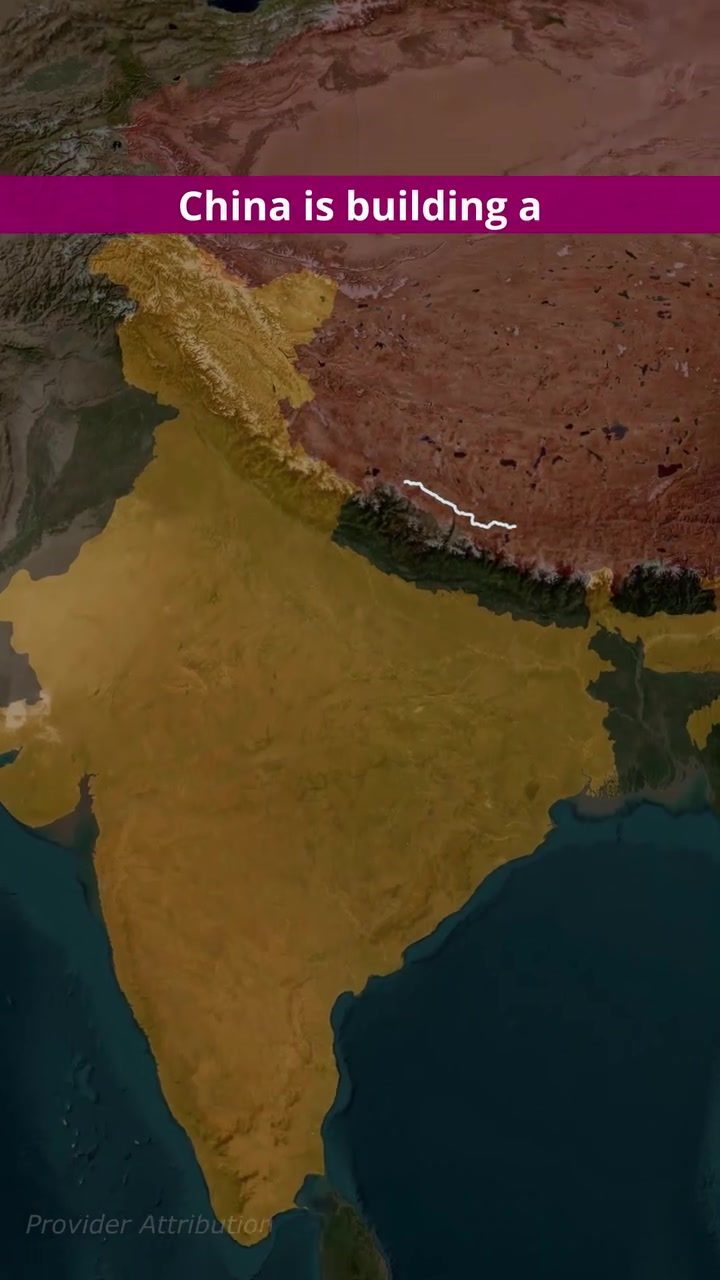
China Dam Construction
The construction of the Medog Dam by China and India's response with the Siang Upper Multipurpose Project (SUMP) are significant developments in the geopolitical landscape of the region. These projects, both monumental in scale, have far-reaching implications for hydropower generation, flood control, and regional security.
Context / Why this Matters
The Burmaputra River, which originates in China, flows through a vast and ecologically sensitive region, ultimately crossing into India. The construction of the Medog Dam, a 60,000 megawatt hydropower station, poses both opportunities and challenges for the region. On one hand, it promises substantial hydropower generation, potentially bolstering China's energy infrastructure. On the other, it brings concerns about water management, particularly the potential for sudden water releases that could lead to flooding in downstream areas, including northeastern India.
India's response, the Siang Upper Multipurpose Project (SUMP), is a 11,000 megawatt dam aimed at mitigating the risks posed by the Medog Dam. This project not only seeks to safeguard against potential flooding but also aims to enhance India's hydropower capabilities and ensure water security.
Main Discussion
The Medog Dam: China's Hydropower Ambitions
The Medog Dam, with a staggering capacity of 60,000 megawatts, is one of the most ambitious hydropower projects in the world. Located on the Burmaputra River, its completion will create a vast reservoir, potentially holding billions of cubic meters of water. This reservoir, while a boon for hydropower generation, raises critical concerns about downstream water management. The sudden release of large volumes of water could lead to catastrophic flooding in northeastern India, making this a sensitive geopolitical issue.
The potential weaponization of the Medog Dam is a pressing concern. China's ability to control the water flow from the dam could give it significant leverage over downstream regions, making it a critical factor in regional geopolitics. The strategic importance of the Burmaputra River, which serves as a vital lifeline for millions, cannot be overstated. The river supports agriculture, provides drinking water, and facilitates transportation in the region.
India's Countermeasure: The Siang Upper Multipurpose Project
In response to the Medog Dam, India has initiated the Siang Upper Multipurpose Project (SUMP), a 11,000 megawatt hydropower station. This project is designed to protect India from the potential risks posed by the Medog Dam, particularly the sudden release of large amounts of water. The SUMP will act as a buffer, helping to regulate water flow and mitigate the risk of flooding in downstream areas.
However, the construction of the SUMP is not just a defensive measure. It also aims to enhance India's hydropower generation capacity, providing a substantial boost to the country's energy infrastructure. The project will contribute significantly to India's renewable energy goals, helping to reduce dependence on fossil fuels and promoting sustainable development.
Geopolitical Implications and Water Security
The construction of the Medog Dam and the SUMP has significant geopolitical implications. Water resources have always been a contentious issue between nations, and the control of the Burmaputra River is no exception. The potential for conflict over water resources is high, given the strategic importance of the river and the stakes involved.
The development of these dams underscores the need for cooperation and dialogue between China and India. Effective water management and the prevention of conflict require a shared understanding and a collaborative approach. Both countries need to engage in diplomacy and negotiations to ensure that the development of these projects does not lead to tension or conflict.
Environmental Considerations
The environmental impact of these projects is another critical consideration. The construction of large dams often results in significant ecological disruption, including the displacement of local communities, destruction of habitats, and changes in river ecosystems. Both China and India need to take into account the environmental implications of these projects and adopt measures to mitigate their impact.
The Medog Dam and the SUMP are not only about hydropower generation and water management; they are about the future of the region. The ecological sensitivity of the Burmaputra River basin demands a comprehensive approach to environmental conservation and sustainable development.
Practical Tips
While the construction of these dams is beyond the control of individual stakeholders, there are practical steps that can be taken to promote sustainable water management and development.
Engaging in Dialogue and Diplomacy: Encourage open dialogue and diplomacy between China and India to address concerns related to water management and ensure regional stability.
Promoting Transparency and Accountability: Advocate for transparency and accountability in the construction and operation of these dams. This includes ensuring that environmental impact assessments are conducted and that measures are taken to mitigate the environmental impact.
Supporting Local Communities: Support local communities affected by these projects, including resettlement and compensation measures, as well as the development of sustainable livelihoods.
Important Takeaways
-
Hydropower Generation and Water Management: The Medog Dam and the SUMP are significant projects that highlight the strategic importance of hydropower generation and water management in the region.
-
Geopolitical Implications: The construction of these dams has far-reaching geopolitical implications, particularly in the context of water security and the potential for conflict.
-
Environmental Considerations: It is crucial to consider the environmental impact of these projects and adopt measures to mitigate the ecological disruption.
-
Cooperation and Dialogue: Effective water management and conflict prevention require cooperation and dialogue between China and India.
-
Sustainable Development: The development of these projects should prioritize sustainable development and environmental conservation, ensuring that the ecological sensitivity of the region is taken into account.
Conclusion
The construction of the Medog Dam by China and India's response with the Siang Upper Multipurpose Project are pivotal developments in the region. These projects underscore the significance of hydropower generation and water management, as well as the geopolitical and environmental considerations involved. Effective water management and conflict prevention require cooperation, dialogue, and a comprehensive approach to sustainable development. By prioritizing these factors, China and India can ensure that these projects benefit the region and contribute to a shared vision of sustainable development and regional stability.
Watch the Reel
Questions readers ask
What is the Siang Project and why is it important for India?
The Siang Project, also known as the Siang Upper Multipurpose Project (SUMP), is India's strategic response to China's Medog Dam. It aims to enhance India's hydropower capabilities and address potential threats, such as severe flooding, posed by the Chinese dam to downstream areas in India. The project is crucial for India's energy security and flood management.
How does the Medog Dam pose a threat to India?
The Medog Dam, with its massive 60,000 megawatt capacity, could significantly alter the flow of the Brahmaputra River, which is vital for India. This could lead to unpredictable water levels and severe flooding in downstream areas, impacting agriculture and life in regions including Assam, Arunachal Pradesh, and West Bengal.
What are the key objectives of the Siang Project?
The Siang Project has multiple objectives. It aims to generate substantial hydropower, improve flood control measures, and enhance irrigation facilities. Additionally, the project seeks to bolster India's regional security by providing a counterbalance to China's influence in the region.
How does the Siang Project plan to mitigate flood risks?
The Siang Project includes the construction of reservoirs and other infrastructure designed to regulate water flow and store excess water during heavy rainfall. By managing the water flow, the project can help prevent sudden surges and reduce the risk of severe flooding in downstream areas.
What are the environmental considerations of the Siang Project?
The Siang Project involves the construction of large-scale reservoirs and other infrastructure, which can have significant environmental impacts. These include displacement of local communities, potential changes in river ecology, and potential alterations to the river's sediment flow and nutrient distribution. Environmental impact assessments and mitigation measures are crucial for sustainable development.
Recent articles
Fresh deep dives from the latest Reels we unpacked.




Comments
Be the first to comment.