Dam Construction
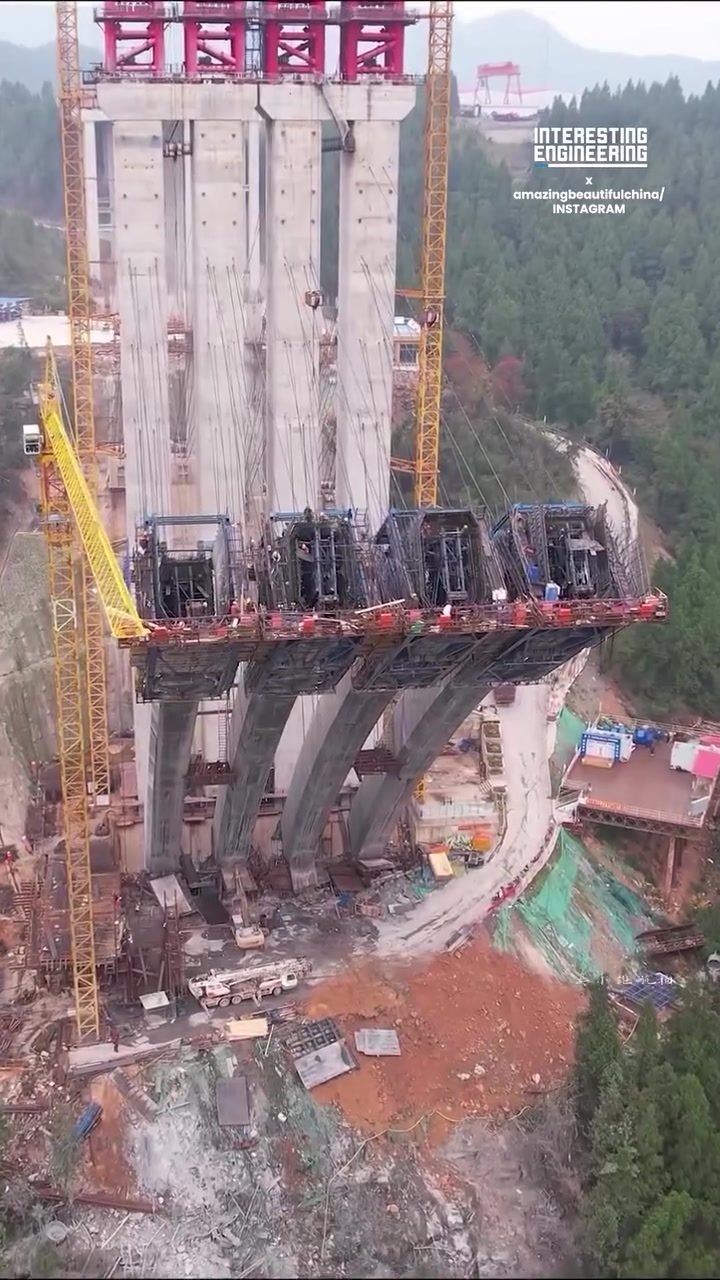
Witnessing the construction of a large dam provides a mesmerizing glimpse into the interplay of engineering and heavy machinery. The scale and complexity of a dam construction project are on full display in the aerial footage of a massive steel structures, cranes, and ongoing work on the dam's foundation and supporting pillars.
Why This Matters
Dam construction is a monumental undertaking that serves multiple purposes, including flood control, irrigation, hydroelectric power generation, and water supply. For regions like China, where the dam showcased in the footage is likely located, dams are critical for managing water resources and supporting agricultural and industrial development. Understanding the techniques and technologies behind such projects offers a valuable perspective on modern engineering marvels and their significance in shaping our world.
Main Discussion
The Balanced Cantilever Construction
Balanced cantilever construction is a sophisticated method used for building bridges and, in some cases, dams. This technique employs traveling formwork to cast bridge segments symmetrically from piers. The process involves extending the segments outward over obstacles without the need for ground support or scaffolding. This method is particularly useful in challenging terrain where traditional construction methods may not be feasible.
Steel Structures and Foundation Work
The aerial shots reveal a complex steel framework that forms the foundation of the dam. These steel structures provide the necessary support and stability for the construction of the dam. The intricate network of steel beams and pillars is a testament to the precision and engineering prowess required in such projects. The use of heavy machinery and cranes further highlights the scale and complexity of the work.
Foundation and Supporting Pillars
The foundation of a dam is crucial for its stability and longevity. The ongoing work on the foundation and supporting pillars showcases the meticulous planning and execution involved in dam construction. These pillars are designed to withstand the immense pressure exerted by the water, ensuring the dam's structural integrity. The use of heavy machinery in this phase of the construction underscores the physical demands and technical expertise required.
Practical Tips
Planning and Preparation
Before any construction begins, extensive planning and preparation are essential. This includes geological surveys, environmental impact assessments, and detailed engineering designs. The success of a dam construction project hinges on thorough planning to anticipate and mitigate potential challenges.
Use of Advanced Technology
Modern dam construction leverages advanced technologies, including GPS, laser scanning, and 3D modeling. These tools enhance precision and accuracy, ensuring that the construction process adheres to design specifications. The use of heavy machinery and cranes is a testament to the technological advancements in the construction industry.
Safety and Precautions
Safety is paramount in dam construction. Workers must adhere to strict safety protocols to mitigate risks associated with heavy machinery and hazardous conditions. Regular inspections and maintenance of equipment are crucial to prevent accidents and ensure the smooth progression of the project.
Important Takeaways
Balanced Cantilever Method
The balanced cantilever method showcased in the footage demonstrates the ingenuity of modern engineering. By using traveling formwork, this method allows for the symmetric casting of bridge segments, making it possible to construct dams in challenging terrains.
Complex Steel Framework
The complex steel framework visible in the footage underscores the importance of a robust foundation in dam construction. The intricate design of these structures ensures the dam's stability and longevity, even under immense pressure.
Heavy Machinery and Human Expertise
The use of heavy machinery and the visible human expertise on the construction site highlight the collaborative efforts required in such projects. The coordination between machines and skilled workers is essential for the successful completion of a dam construction project.
Conclusion
Dam construction is a fascinating blend of engineering, technology, and human expertise. From the balanced cantilever method to the intricate steel framework, every aspect of the project showcases the meticulous planning and execution required. Such projects are not only engineering marvels but also crucial for managing water resources and supporting development in regions like China.
Watch the Reel
Questions readers ask
What are the primary purposes of large dams in China?
Large dams in China serve several crucial purposes. They are instrumental in flood control, helping to mitigate the impact of seasonal rains and typhoons. Additionally, they support irrigation for agriculture, generate hydroelectric power, and provide a stable water supply for both domestic and industrial use. Furthermore, they contribute to regional economic development.
What is the balanced cantilever method used in dam construction?
The balanced cantilever method is an advanced construction technique used in building large dams. It involves constructing the dam in sections, with each section supported by a temporary structure until the neighboring section is completed. This method allows for efficient and safe construction, even in challenging environments. It is particularly useful for arch dams and is renowned for its stability and durability.
How do large dams contribute to economic development in China?
Large dams drive economic growth in China by providing a reliable source of hydroelectric power, which supports industrial activities and reduces reliance on fossil fuels. Additionally, reservoirs created by dams can promote tourism, fishing, and recreational activities. The infrastructure and technology used in dam construction can also stimulate local job growth and industry development.
What role do steel frameworks play in large dam construction?
Steel frameworks are integral to the construction of large dams, providing essential support during the building process. They help to reinforce concrete structures, facilitate the use of formwork, and ensure the stability of the dam. Steel frameworks are particularly important in the early stages of construction, when the dam's foundation and supporting pillars are being established. They are crucial for managing the immense forces exerted by water and the surrounding environment.
What is cast formwork and how is it used in dam construction?
Cast formwork, also known as falsework, is a temporary structure used to support and shape concrete during the curing process in dam construction. It allows workers to build the dam in sections, ensuring that each part is properly reinforced and aligned. This technique is particularly useful for creating complex shapes and ensuring the structural integrity of the dam. It is essential for maintaining the shape and strength of the dam, and it is typically removed once the concrete has cured.
How do dams contribute to water resource management in China?
Dams are pivotal in managing water resources in China. They regulate the flow of rivers, storing water during wet seasons and releasing it during dry periods to ensure a consistent supply. Large dams also help to control floods, which can significantly reduce the risk of property damage and loss of life. By storing water, dams provide a reliable source for irrigation, industrial use, and domestic consumption, supporting various sectors of the economy.
What are the advantages of bridge dam construction?
Bridge dam construction, also known as a bridge dam, combines the structural elements of a bridge and a dam. This type of construction allows for the passage of water and sediment, reducing the environmental impact and siltation issues. It also provides a useful waterway for navigation and wildlife migration. Furthermore, bridge dams can be more resilient to earthquakes and other natural disasters, making them a practical choice for regions with complex geological conditions.
Related deep dives
Similar reads based on topic and creator.


Recent articles
Fresh deep dives from the latest Reels we unpacked.




Comments
Be the first to comment.