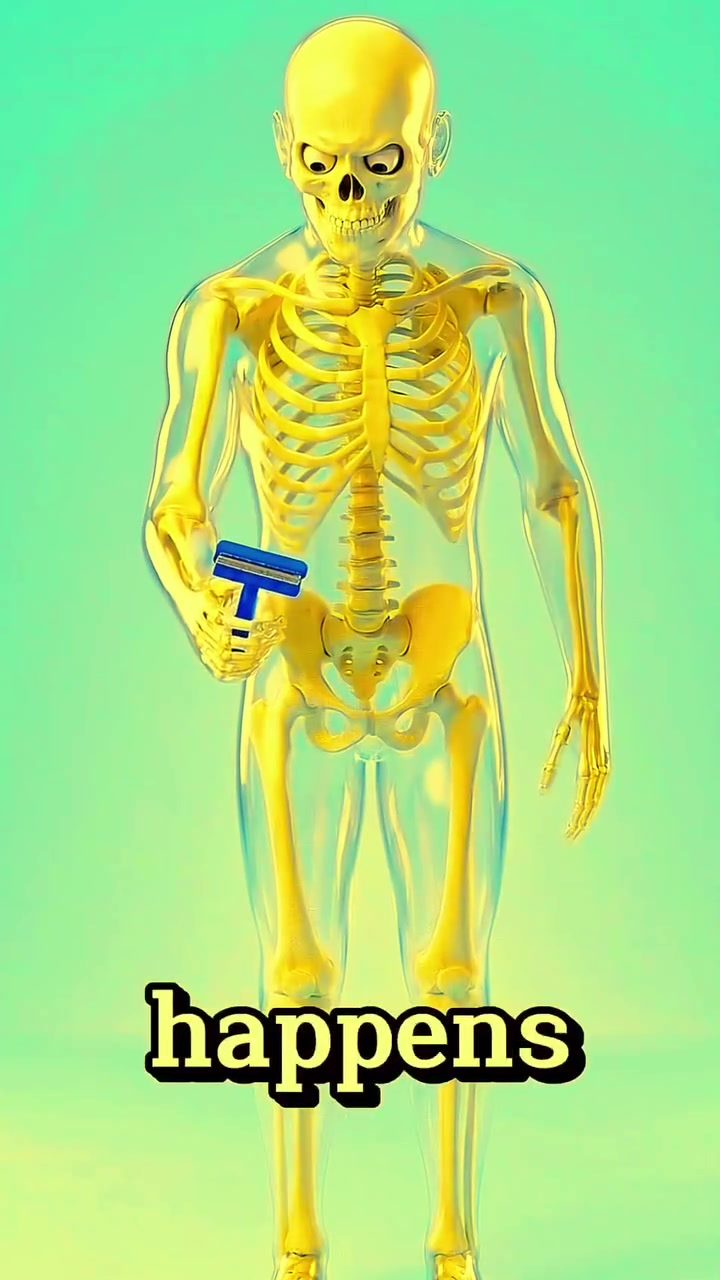
The Unexpected Transformation of Beard Growth
Beard growth is a fascinating journey that can significantly alter a person’s appearance over time. Let’s delve into what happens when you decide to toss out your razor and embrace natural beard growth.
Why This Matters
Beard growth can transform your facial features, impact your hygiene, and even affect your daily activities. Understanding these changes can help you make informed decisions about your grooming habits and prepare you for the potential challenges that come with a fully grown beard.
The Beard Growth Journey
Month One: The Initial Beard
In the first month of beard growth, your facial hair starts taking shape. The initial stages are exciting as you start seeing a noticeable change in your appearance. Your facial profile begins to disappear, and you might find yourself looking like a completely different person. This period can be both thrilling and a bit unnerving as you adapt to your new look.
Six Months: The Trap
By the six-month mark, your beard becomes a trap for crumbs, sweat, and bacteria. Every meal turns into a potential hygiene challenge as your beard catches food particles and traps them. This phase requires extra attention to grooming to keep your beard clean and maintain good hygiene.
One Year: A Living Habitat
After a year, your beard becomes a self-sustaining habitat for microbes. The moisture trapped in your beard can cause the skin underneath to stain yellow. This phase requires diligent washing and care to prevent any skin issues. Regular maintenance and cleaning are crucial to keep your beard healthy and free from infections.
Ten Years: The Weight
At the ten-year mark, the sheer weight of your beard can start to strain your neck. The mass of your facial hair adds extra pressure, making it harder to maintain your posture. Tripping over your beard becomes a daily concern, and eating turns into a tactical mission. The increased length and weight can also cause discomfort and affect your daily activities.
Thirty Years: Wizard Level
After thirty years, your beard reaches a level where one wrong step or pull can have significant consequences. The lower part of your face is particularly vulnerable, and any minor mishap can lead to pain or injury. This phase requires careful handling and maintenance to avoid any accidents.
Practical Tips for Beard Grooming
Maintaining a healthy beard requires regular grooming and care. Here are some practical tips to help you keep your beard in top condition:
Washing and Conditioning
Regularly wash and condition your beard to keep it clean and healthy. Use a gentle beard shampoo and conditioner to prevent dryness and irritation. Make sure to rinse thoroughly to remove any residue that can cause buildup.
Trimming and Shaping
Even if you’re letting your beard grow naturally, regular trimming and shaping can help maintain a neat appearance. Use a quality beard trimmer to keep the length and shape under control. This also helps prevent split ends and keeps your beard looking tidy.
Moisturizing
Beard oil and balm are essential for keeping your beard moisturized. Apply beard oil regularly to nourish the hair and skin underneath. Beard balm can help keep the beard shaped and tamed, especially in the early stages of growth.
Nutrition and Hydration
A healthy diet and adequate hydration are crucial for beard growth. Make sure to include foods rich in vitamins and minerals in your diet. Staying hydrated helps keep your beard soft and shiny. Drink plenty of water and eat a balanced diet to support healthy beard growth.
Regular Maintenance
Regularly check your beard for any signs of trouble, such as dryness, irritation, or infestations. Address any issues promptly to prevent them from worsening. Regular maintenance also includes trimming split ends and keeping the beard tidy.
Important Takeaways
Beard growth is a gradual process that can lead to significant changes in your appearance and lifestyle. Understanding the different stages of beard growth and taking proper care can help you maintain a healthy and attractive beard. Regular grooming and maintenance are key to keeping your beard in top condition and avoiding potential issues.
Conclusion
Embracing natural beard growth can be a rewarding experience, but it requires diligence and care. From the initial changes in your appearance to the challenges of maintaining a long beard, each stage presents unique opportunities and issues. By following the practical tips and being aware of the potential changes, you can enjoy a well-groomed and healthy beard that enhances your overall look.
Watch the Reel
Questions readers ask
How long does it typically take to see significant changes in beard growth?
Significant changes in beard growth can be seen as early as the first month. However, for a full, heavy beard, it can take several years, with noticeable transformations occurring around the 6-month to 1-year mark.
What are the initial stages of beard growth like?
The initial stages of beard growth, typically within the first month, involve sparse and patchy hair growth. This phase requires patience as the beard starts to fill in and take shape over time.
Can beard growth impact daily activities?
Yes, beard growth can impact daily activities, especially as the beard becomes fuller and heavier. For instance, a heavy beard can strain your neck over time and may require adjustments in your grooming routine to maintain a well-kept appearance.
What should I expect if I decide to shave and start growing my beard again?
After shaving, your beard will go through the initial stages of growth again. You can expect a patchy appearance at first, but with consistent care and patience, your beard will gradually fill in and transform over time.
What are some tips for growing a full beard?
To grow a full beard, consistency and patience are key. Maintain a regular grooming routine, keep your skin and beard well-hydrated, and consider using beard oil to keep the hair soft and manageable. Additionally, a balanced diet can support healthy beard growth.
How does beard growth change a person’s appearance?
Beard growth can dramatically alter a person’s appearance. It can accentuate facial features, change the shape of the face, and even make you look older or more distinguished. These changes can be subtle in the early stages but become more pronounced over time.
Related deep dives
Similar reads based on topic and creator.




Recent articles
Fresh deep dives from the latest Reels we unpacked.




Comments
Be the first to comment.