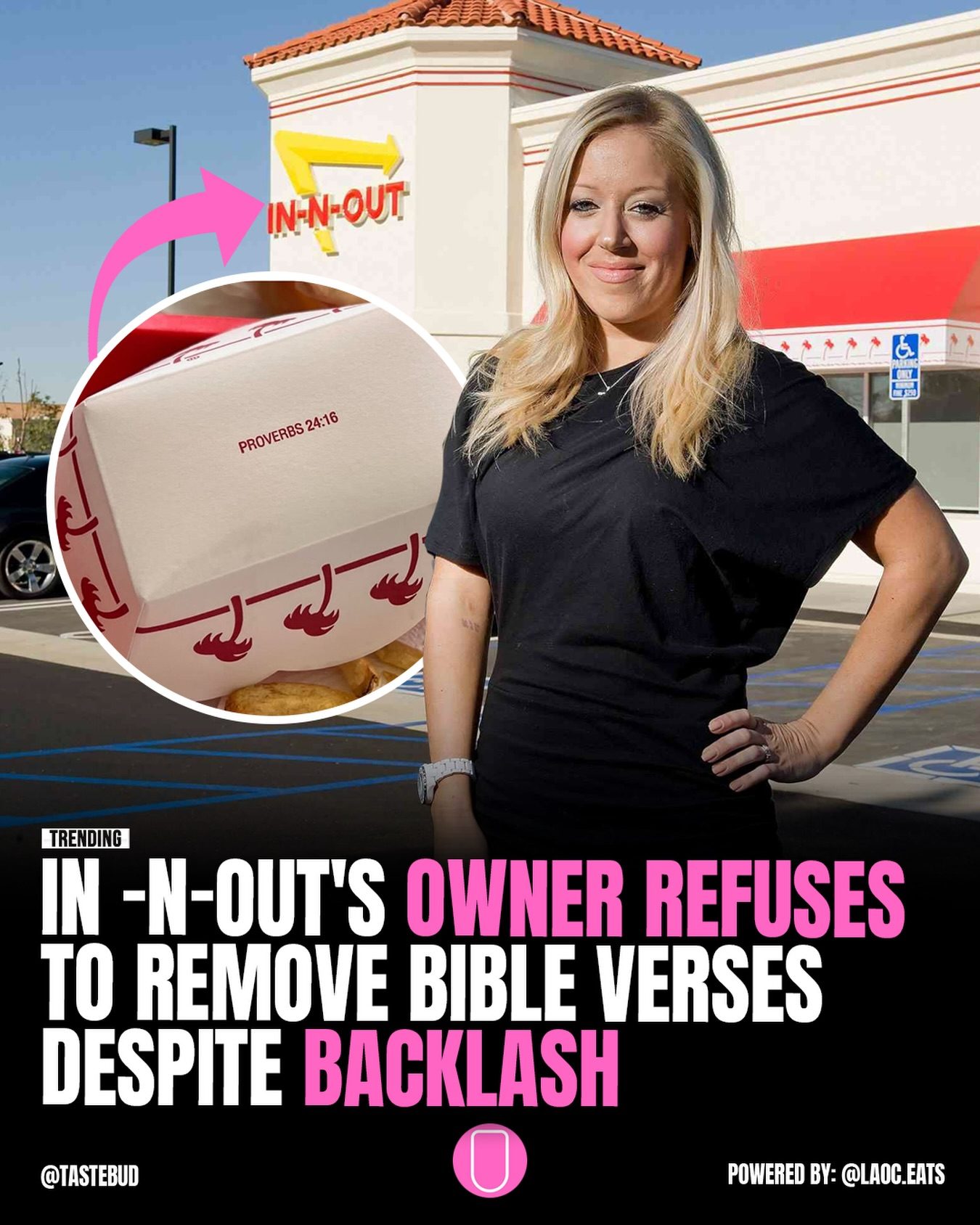
In-N-Out and the Controversy Surrounding Bible Verses on Packaging
In-N-Out, a beloved fast-food chain, has sparked a conversation about religion and branding. For decades, the company has printed Bible verses on its cups and wrappers. This practice, which started in the 1980s, was initiated by Rich Snyder, a former company leader, as a personal expression of faith. Currently, Lynsi Snyder, the owner, has confirmed that the religious references will continue to be part of the brand. This has led to a mix of reactions from customers, with some viewing it as a harmless tradition while others question the appropriateness of religious messages on fast-food packaging.
Why This Matters
The controversy surrounding In-N-Out's packaging highlights broader discussions about the intersection of religion, branding, and consumer expectations. In an era where brands are increasingly expected to reflect diverse values, the inclusion of religious messages can be contentious. Understanding the background and implications of this debate can provide insights into how companies navigate these issues and how consumers respond.
Main Discussion
The History of Bible Verses on In-N-Out Packaging
In-N-Out's practice of printing Bible verses on its packaging began in the 1980s. Rich Snyder, a former company leader, introduced this practice as a personal expression of his faith. Over the years, this has become a recognizable feature of the brand, with verses like John 3:16 and Revelation 3:20 frequently appearing on their cups and wrappers. Today, this tradition continues.
The Continuation of This Tradition
Lynsi Snyder, the current owner, has made it clear that the religious references will remain part of the brand. This stance has generated mixed reactions. Some customers appreciate the tradition and view it as a unique aspect of In-N-Out's identity. For others, the inclusion of religious messages on fast-food packaging raises questions about the separation of church and state, as well as the appropriateness of religious expressions in a commercial context.
Consumer Reactions to the Bible Verses
The reactions to In-N-Out's use of Bible verses are diverse. Some customers find the practice harmless and even endearing. They see it as a quirky, personal touch that adds to the brand's authenticity. Others, however, are less enthusiastic. They argue that religious messages have no place on fast-food packaging and that the company should maintain a neutral stance on religious matters. This diversity of opinions underscores the complexity of the issue and the challenges that brands face in navigating such sensitive topics.
The Broader Implications
The debate surrounding In-N-Out's packaging raises broader questions about the role of religion in branding and marketing. Companies are increasingly expected to reflect a range of values and beliefs, and navigating this landscape can be challenging. The In-N-Out controversy highlights the potential for backlash when brands make religious statements, and the importance of considering consumer perceptions and expectations.
Practical Tips
For those navigating similar issues in their own businesses, here are some practical tips to consider:
Understanding Your Audience
It’s crucial to understand your audience and their values. Conducting market research and gathering feedback can help you gauge how your customers feel about religious or controversial topics. This information can guide your decision-making and help you avoid potential controversies.
Balancing Personal Expressions with Professionalism
If you choose to include personal beliefs in your branding, it’s essential to strike a balance between authenticity and professionalism. Consider how your message will be received by a diverse audience and whether it aligns with your brand's overall image and values.
Being Prepared for Backlash
When making decisions that could be contentious, it’s important to be prepared for potential backlash. Develop a communication strategy that addresses concerns and demonstrates a willingness to engage in dialogue. Transparency and respect for different viewpoints can go a long way in mitigating negative reactions.
Important Takeaways
Personal Faith and Brand Identity
In-N-Out's use of Bible verses on its packaging is a unique blend of personal faith and brand identity. This practice, while controversial, reflects the personal beliefs of the company's leaders and has become a part of its overall image. Understanding the intersection of personal values and branding can provide valuable insights for companies navigating similar issues.
Balancing Authenticity and Neutrality
In today’s diverse marketplace, brands must balance authenticity with neutrality. Including religious references or personal beliefs in your branding can be a double-edged sword. While it can add authenticity, it can also alienate a segment of your audience. Finding the right balance is key to maintaining a positive brand image and customer satisfaction.
The Power of Consumer Perceptions
Consumer perceptions play a significant role in shaping brand identity. Positive perceptions can strengthen brand loyalty, while negative perceptions can lead to backlash. Understanding and addressing consumer concerns is crucial for maintaining a positive brand image and ensuring long-term success.
Conclusion
In-N-Out's decision to keep Bible verses on their packaging reflects a longstanding tradition rooted in the personal faith of its leaders. This practice has sparked a broader conversation about the role of religion in branding and consumer expectations. As brands continue to navigate these complex issues, understanding the nuances of consumer perceptions and the impact of personal beliefs on brand identity will be crucial. By balancing authenticity with neutrality and being prepared for potential backlash, companies can better navigate these challenges and maintain a positive brand image.
Watch the Reel
Questions readers ask
Why does In-N-Out print Bible verses on their packaging?
In-N-Out began printing Bible verses on their cups and wrappers in the 1980s as a personal expression of faith by Rich Snyder, a former company leader. The practice continues under the current owner, Lynsi Snyder, as a tribute to the brand's roots.
Which Bible verses does In-N-Out use on their packaging?
In-N-Out uses verses from the Book of Proverbs. Each verse is chosen by the company, yet they remain consistent in their effort to share faith and wisdom.
Have customers reacted to the Bible verses on In-N-Out packaging?
Reactions from customers range from appreciation for the tradition to criticism about the mix of fast food and faith. Some customers embrace the religious messages, while others question the appropriateness of religious references on fast-food packaging.
Did the founder of In-N-Out, Harry Snyder, start the Bible verse tradition?
No, the tradition of printing Bible verses on packaging was started by Rich Snyder, a former company leader, in the 1980s, and not by the founder Harry Snyder. Rich Snyder's influence is still seen in the company's packaging today.
Do other fast-food chains use religious references in their branding?
In-N-Out is unique in this practice. While other brands may have their own traditions and values, the use of Bible verses on packaging is not common in the fast-food industry.
Has In-N-Out faced any controversy over the Bible verses on their packaging?
Yes, ever since the 90s, In-N-Out has faced controversy over the Bible verses on their packaging. Some customers have questioned the mix of religion and fast food, while others have embraced it as a part of the brand’s traditions. Lynsi Snyder has confirmed that the religious references will continue to be part of the brand.
Do In-N-Out staff have to follow certain religious practices?
There is no indication that In-N-Out enforces any religious practices on their staff. The Bible verses on packaging are a reflection of the company's founders' personal beliefs and not a requirement for employees.
Related deep dives
Similar reads based on topic and creator.




Recent articles
Fresh deep dives from the latest Reels we unpacked.




Comments
Be the first to comment.