The Evolving Recipe
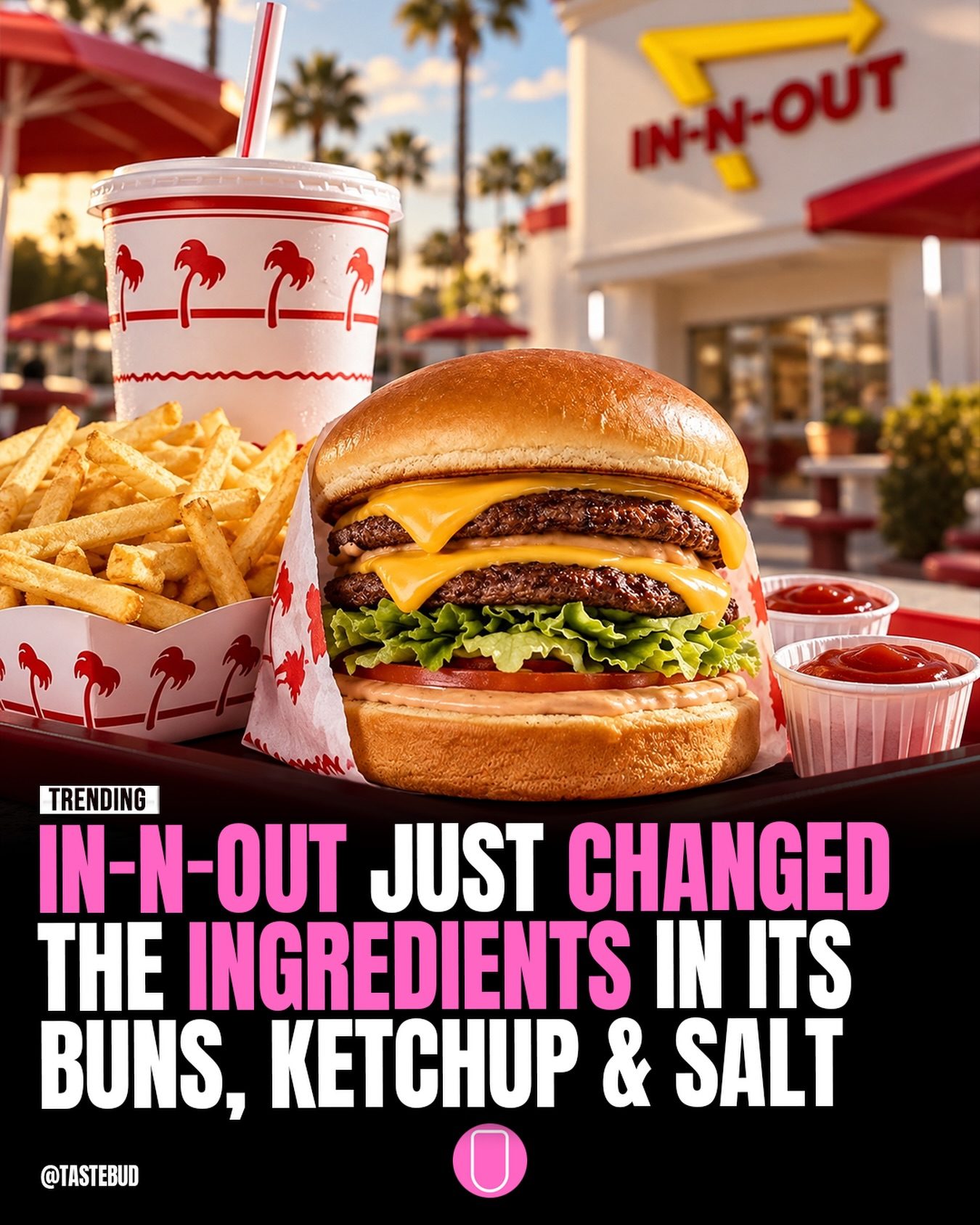
In-N-Out, a chain known for its commitment to fresh ingredients and consistent quality, has revealed that its iconic burger has undergone select changes. Salad patrons will still see a clean, recognizable burger, but its defining elements have been tweaked subtly. Lettuce, tomato, cheese, and a beef patty are unchanged, but the bun, ketchup, and salt have been modified to enhance flavor. This is the first time In-N-Out has made such extensive ingredient changes in a single update. In-N-Out’s latest changes reflect observable trends in the fast-food industry. Many chains have pivoted to ingredients perceived as more health-conscious, but In-N-Out's motivation appears to be purely gastronomic. Freshness of food is already a cornerstone of the chain’s menu. The chain's goal is not the improvement of its health profile, but an improvement in taste. It’s a way of maintaining some brand differentiation fast-food companies are rushing to emulate.
The Secret Sauce
The most significant change appears to be in the classic ketchup. The ingredients list for the condiment has been modified. In-N-Out’s buns and ketchup are often praised as key factors behind its mouth-watering appeal. Customers respond to the look, consistency, and flavor of the bread, and the taste profile of the ketchup fits its clean-cut brand image. The perceived taste has shifted food chains toward ever more inventive sauces and condiments, but those changes often come with a price. For In-N-Out, maintaining a recognizable taste is likely a way to ensure its regulars remain satisfied. In-N-Out uses fresh ingredients and buys as many of them locally as possible, doing a better job than almost anyone of the same size of keeping costs down. It’s no surprise the brand’s customers prize consistency. The chain offers a combination of low cost and high quality that is alluring to budget-conscious diners. The brand remains fixated on freshness and quality, which is part of its appeal. The changes are enough to keep the menu interesting, but not so much to make it confusing or disappointing. The swap is In-N-Out calling for leftover burger buns to be put to good use.
The Finer Details
The third major change involves the salt. The salt used in In-N-Out's burger is sourced from a different supplier. Salt is an essential ingredient in any fast-food joint, but it's especially significant for a burger. Salt enhances the flavor of the meat and adds a pleasing tang. It also has a preservative effect, which helps to maintain the freshness of the burger. The new salt could be slightly more pungent or have a different texture, giving the burger a new depth of flavor. Such a subtle change leaves a lot of room for interpretation. The brand seems to be taking a chance by introducing changes that its fans might not even notice at first. Instead of an abrupt change, In-N-Out aims to deliver a slow, steady evolution of its products. The new ingredients are rolled out with minimal fanfare. Customers are not going to find new food items that require an explanation. The changes are designed to work seamlessly in the brand’s look. They're part and parcel of In-N-Out's drive for excellence, which makes the simple burger into a dish with far more flavor than it has a right to. It's the clarity of the ingredients that makes a burger so compelling, and so potential upgrades like these enable the brand to continue as a classic for decades to come.
Watch the Reel
Related deep dives
Similar reads based on topic and creator.


Recent articles
Fresh deep dives from the latest Reels we unpacked.



Comments
Be the first to comment.