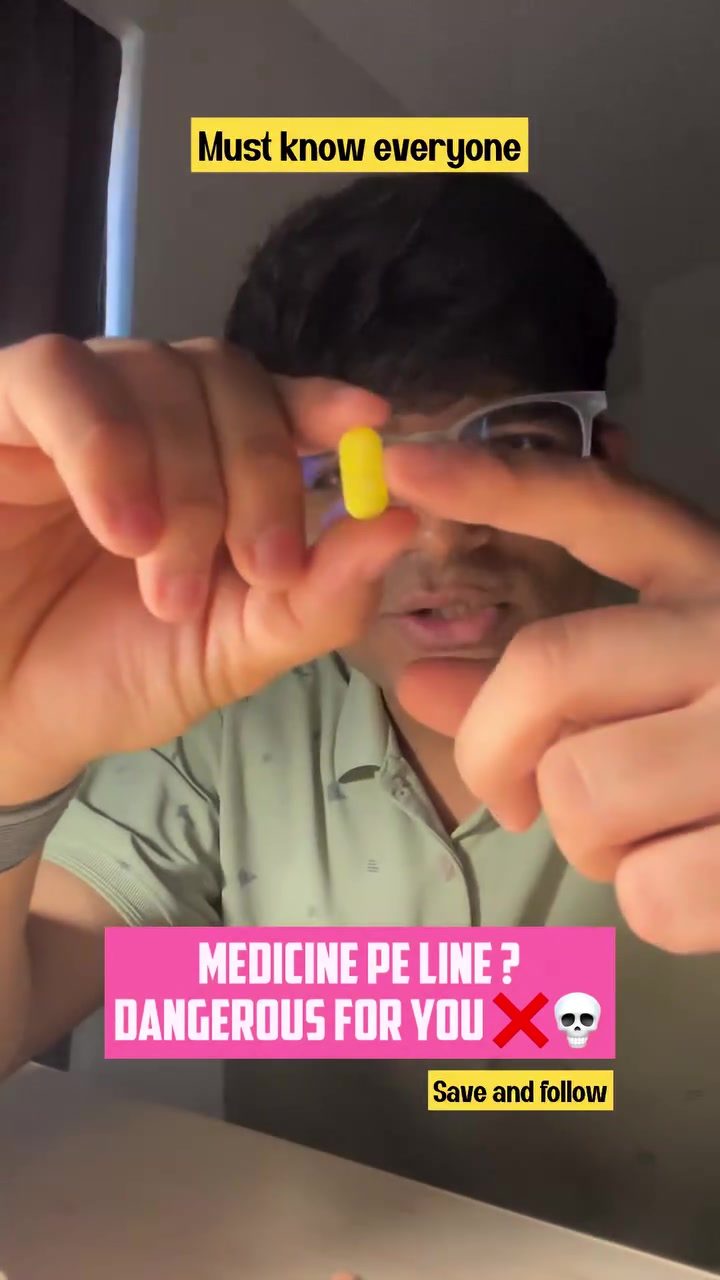
Medicine Safety Issues and Overdose Risks
Medicine is a cornerstone of modern healthcare, offering relief and treatment for a wide range of medical conditions. However, it's crucial to be aware of the potential dangers associated with improper use. This discussion delves into the critical aspects of medicine safety, specifically focusing on the risks of high doses and overdose dangers, as well as dissolving times.
Why This Matters
Understanding the safe use of medicines is vital for everyone. Medicine misuse can lead to severe health complications, including organ failure, and even death. This information is essential for individuals who regularly take medication, as well as those who may be prescribed new drugs. Recognizing the signs of a potential overdose and knowing how to respond can save lives.
Key Points to Understand
The Risks of Dissolving Times
Dissolving times refer to how long it takes for a medicine to break down and be absorbed by the body. This process can vary significantly depending on the type of medicine and the method of administration. In general, the dissolving time for most oral medicines ranges from 12 to 24 hours. However, certain factors can accelerate or decelerate this process, such as:
- Liquid or Solid Form: Liquid medicines typically dissolve faster than solid tablets.
- Chemical Composition: Different active ingredients and excipients (inactive ingredients) have varying dissolution rates.
- Body Chemistry: Individual differences in digestive enzymes, stomach acidity, and overall health can affect dissolution times.
Knowing the dissolving time of your medicine can help you avoid potential risks. For example, taking another dose too soon after the first can lead to an overdose.
Overdose and High Dose Risks
While medicines are designed to treat illnesses, taking too much can be extremely dangerous. Overdose risks are particularly high with medicines that have a narrow therapeutic index, meaning the difference between a therapeutic dose and a toxic dose is small. Some common symptoms of an overdose include:
- Nausea and Vomiting
- Dizziness or Fainting
- Convulsions or Seizures
- Changes in Heart Rate or Breathing
- Confusion or Disorientation
If you suspect an overdose, it's crucial to seek immediate medical attention. In many cases, quick intervention can prevent long-term damage or even save a life.
Practical Tips
Always Consult a Healthcare Provider
Before starting any new medication, consult a healthcare provider or pharmacist. They can provide guidance on the proper dosage and administration, as well as potential side effects and interactions with other medications.
Follow Prescribed Dosages
Taking more than the recommended dose of a medicine can lead to an overdose. Always follow the prescribed dosage and timing, and never double up on doses to "make up" for a missed dose.
Store Medicines Safely
Keep your medicines in a cool, dry place away from direct sunlight and heat sources. Make sure to store them out of reach of children and pets to prevent accidental ingestion.
Recognizing Signs of an Overdose
Knowing the signs of an overdose can help you act quickly in case of an emergency. Common signs include:
- Abdominal Pain or Cramps
- Rapid Heart Rate
- Difficulty Breathing
- Loss of Consciousness
If you notice any of these symptoms in yourself or someone else, call emergency services immediately.
Important Takeaways
Knowledge is Power
Staying informed about the medicines you take is key to safe and effective treatment. Always read the labels and inserts provided with your medication, and don't hesitate to ask your healthcare provider if you have any questions or concerns.
Proper Dosage and Administration
Conform to the dosage and administration instructions on your medication label. This includes taking the correct amount at the right times and not changing the dosage without consulting a healthcare provider.
Immediate Action in Case of Overdose
If you or someone else experiences an overdose, seek medical help immediately. Emergency services can provide life-saving interventions that can prevent permanent damage or death.
Conclusion
Medicine safety is a fundamental aspect of healthcare. By understanding the risks involved, from dissolving times to overdose dangers, you can take proactive steps to ensure safe and effective treatment. Always consult healthcare professionals for guidance and never hesitate to seek help in case of an emergency. Stay informed, stay safe.
Watch the Reel
Questions readers ask
What are the signs of a medicine overdose?
Signs of a medicine overdose can vary depending on the type of drug but often include severe headaches, confusion, vomiting, seizures, and loss of consciousness. If you suspect an overdose, it's crucial to seek immediate medical help.
How can I prevent a medicine overdose?
To prevent a medicine overdose, always follow the dosage instructions provided by your healthcare provider or on the medication label. Never take more than the prescribed amount and avoid mixing medications unless directed by a doctor.
What should I do if I experience an adverse reaction to my medication?
If you experience an adverse reaction to your medication, stop taking it and consult your healthcare provider immediately. Describe your symptoms and when they started. If the reaction is severe, go to the nearest emergency room.
Why is it important to know the dissolving times of my medicine?
Knowing the dissolving times of your medicine helps ensure that you take it correctly. Some medications need to be taken on an empty stomach, while others should be taken with food. Following these guidelines can enhance the medicine's effectiveness and reduce side effects.
What are the dangers of combining multiple medications?
Combining multiple medications without medical supervision can lead to serious health risks, including overdose, harmful drug interactions, and reduced effectiveness of the drugs. Always inform your healthcare provider about all medications you are taking.
How can I safely store my medications to prevent accidental overdose?
Store medications in a cool, dry place out of reach of children and pets. Use the original containers with clear labels to avoid mix-ups. Regularly review and discard expired medications to keep your medicine cabinet safe.
Related deep dives
Similar reads based on topic and creator.

Recent articles
Fresh deep dives from the latest Reels we unpacked.




Comments
Be the first to comment.