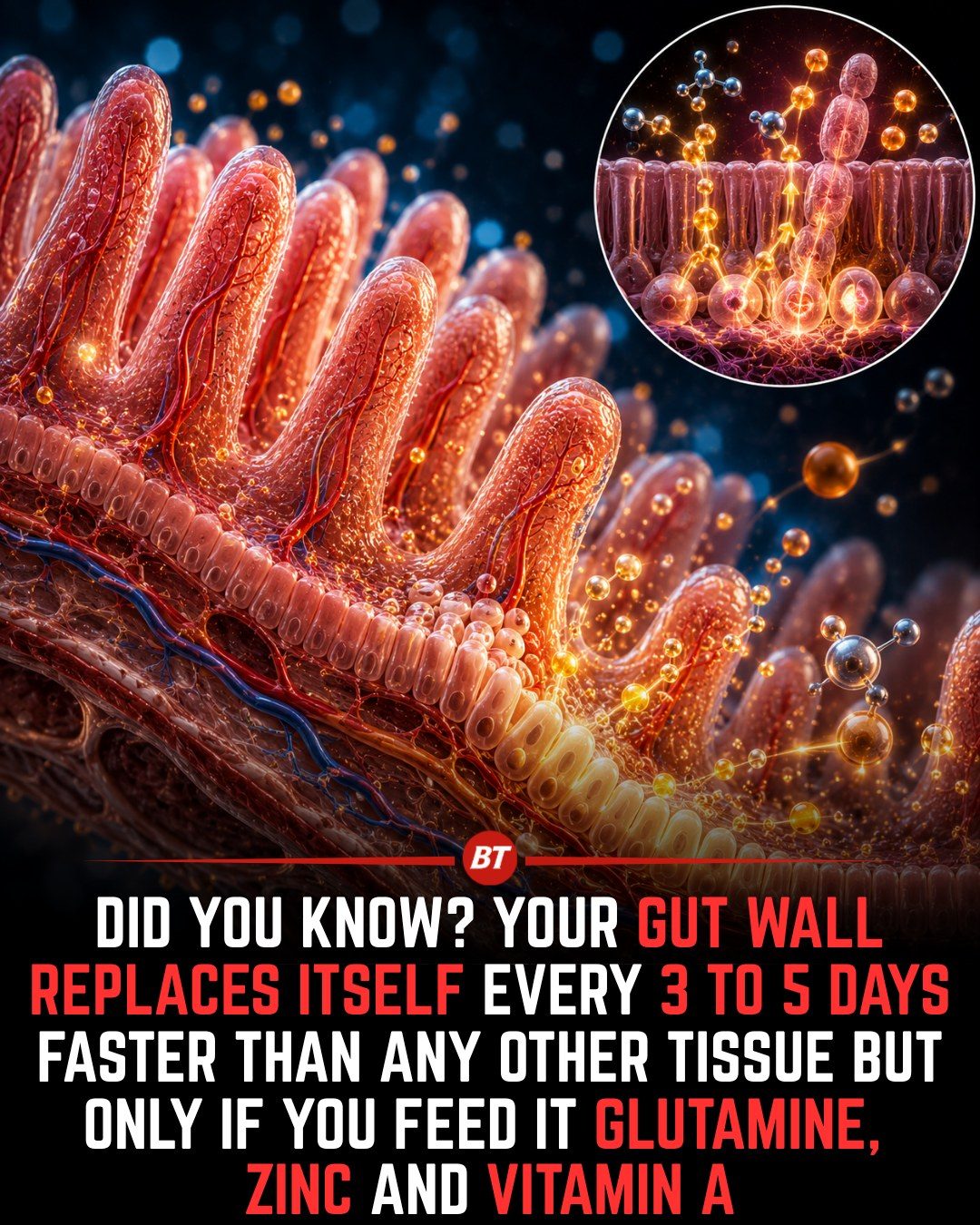
Gut Health: The Role of Glutamine, Zinc, and Vitamin A
Gut health is a vital aspect of overall well-being, often overlooked but crucial for maintaining a robust immune system and efficient digestion. The gut wall, a thin yet critical barrier, replaces itself every 3 to 5 days, making it one of the fastest-renewing tissues in the human body. This rapid turnover is essential for maintaining the protective lining that shields the bloodstream from harmful substances in the digestive tract. To support this dynamic process, the body relies on key nutrients: glutamine, zinc, and vitamin A.
Why This Matters
The cells lining the intestines form a barrier that is essential for preventing harmful substances, such as toxins and bacteria, from entering the bloodstream. This barrier is continuously replenished by new cells produced from intestinal stem cells. Maintaining a healthy gut lining is crucial for digestive health and overall well-being. Without proper support, this barrier can become compromised, leading to various health issues.
Key Nutrients for Gut Health
Glutamine
Glutamine is a major fuel source for intestinal cells. This amino acid plays a critical role in supporting the rapid renewal process of the gut lining. Studies have shown that glutamine helps maintain the integrity of the intestinal barrier by promoting cell growth and repair. It also aids in reducing inflammation, which is beneficial for those with conditions like inflammatory bowel disease.
Sources of Glutamine
Incorporating foods rich in glutamine into your diet can be beneficial. These include:
- Beef
- Chicken
- Eggs
- Dairy products
Zinc
Zinc is an essential mineral that supports cell growth and tissue repair. It helps maintain the tight junctions between intestinal cells, which are crucial for the barrier’s effectiveness. Zinc also plays a role in immune function, further supporting the body’s ability to fight off infections and maintain a healthy gut environment.
Sources of Zinc
Good sources of zinc include:
- Oysters
- Beef
- Pumpkin seeds
Vitamin A
Vitamin A is vital for regulating immune function and supporting the specialized cells that produce the protective mucus layer covering the intestines. This mucus layer acts as an additional barrier, trapping harmful substances and preventing them from coming into contact with the intestinal wall.
Sources of Vitamin A
Foods rich in vitamin A include:
- Liver
- Eggs
- Sweet potatoes
- Carrots
The Importance of Other Health Factors
While key nutrients like glutamine, zinc, and vitamin A are crucial, maintaining a healthy gut involves more than just dietary supplements. A holistic approach is necessary to support the gut’s natural renewal process. Essential factors include:
Healthy Sleep
Adequate sleep is vital for overall health, including gut health. During sleep, the body repairs and regenerates tissues, including the gut lining. Poor sleep can disrupt this process, leading to a compromised gut barrier.
Regular Exercise
Regular physical activity boosts blood circulation, which helps deliver nutrients to the gut lining and promote tissue repair. Exercise also supports a healthy immune system, which is essential for maintaining a healthy gut environment.
Managing Chronic Stress
Chronic stress can adversely affect gut health by increasing inflammation and disrupting the gut microbiome. Finding ways to manage stress, such as through mindfulness practices, yoga, or therapy, can support a healthy gut.
Balanced Diet
A diet rich in fiber, protein, vitamins, and minerals works in tandem with key nutrients to support gut health. Foods high in fiber, for example, feed the beneficial bacteria in the gut, promoting a healthy microbiome.
Practical Tips
To support gut health, incorporate the following tips into your daily routine:
Incorporate Key Nutrients
Include foods rich in glutamine, zinc, and vitamin A in your diet. These nutrients are essential for maintaining a healthy gut lining.
Stay Hydrated
Drinking plenty of water helps maintain the mucus layer in the gut, which acts as a protective barrier.
Limit Processed Foods
Processed foods often lack the necessary nutrients and can contain additives that disrupt gut health. Opt for whole, unprocessed foods instead.
Consider Probiotics
Probiotics can help maintain a healthy gut microbiome, which is crucial for overall gut health. Fermented foods like yogurt, kefir, and sauerkraut are natural sources of probiotics.
Important Takeaways
Maintaining a healthy gut involves more than just taking supplements or eating certain foods. It requires a holistic approach that includes proper nutrition, regular exercise, adequate sleep, and stress management. By supporting the natural renewal process of the gut lining with key nutrients and a healthy lifestyle, you can promote overall health and well-being.
Conclusion
The gut lining is a dynamic and essential part of the body's digestive system. Understanding the role of key nutrients like glutamine, zinc, and vitamin A in supporting gut health is crucial. By incorporating these nutrients into your diet and adopting a healthy lifestyle, you can support the natural renewal process of the gut lining and promote better overall health.
Watch the Reel
Questions readers ask
How does glutamine support gut health?
Glutamine is a vital amino acid that serves as a primary fuel source for the cells lining the intestines. It aids in maintaining the barrier function of the gut, supports cell growth and repair, and helps to reduce inflammation, thereby promoting a healthy intestinal lining.
What role does zinc play in maintaining the intestinal lining?
Zinc is a mineral that is essential for cell growth, division, and differentiation. It plays a key role in the rapid turnover of the intestinal lining by supporting the production of new cells and aiding in the repair of damaged tissue.
How does vitamin A contribute to gut health?
Vitamin A is crucial for maintaining the integrity of the intestinal barrier. It supports the production of mucin, a protein that forms a protective layer on the gut lining, and aids in the regulation of immune cells, helping to prevent harmful substances from entering the bloodstream.
Why is the rapid renewal of the intestinal lining important?
The rapid renewal of the intestinal lining is important because it allows the gut to quickly repair any damage and maintain a strong barrier against harmful substances. This process is essential for supporting immune function and efficient digestion.
How can I support my gut health through nutrition?
To support gut health through nutrition, focus on consuming foods rich in glutamine, zinc, and vitamin A. These include lean proteins, leafy greens, colorful fruits and vegetables, nuts, and seeds. Additionally, maintaining a balanced diet and staying hydrated can further support a healthy gut.
What are the benefits of glutamine for gut health?
Glutamine offers several benefits for gut health, including reducing intestinal permeability, aiding in the repair of damaged tissue, and supporting the growth of beneficial gut bacteria. It also helps to maintain the balance of the gut microbiome, which is essential for immune function and digestion.
Related deep dives
Similar reads based on topic and creator.




Recent articles
Fresh deep dives from the latest Reels we unpacked.




Comments
Be the first to comment.