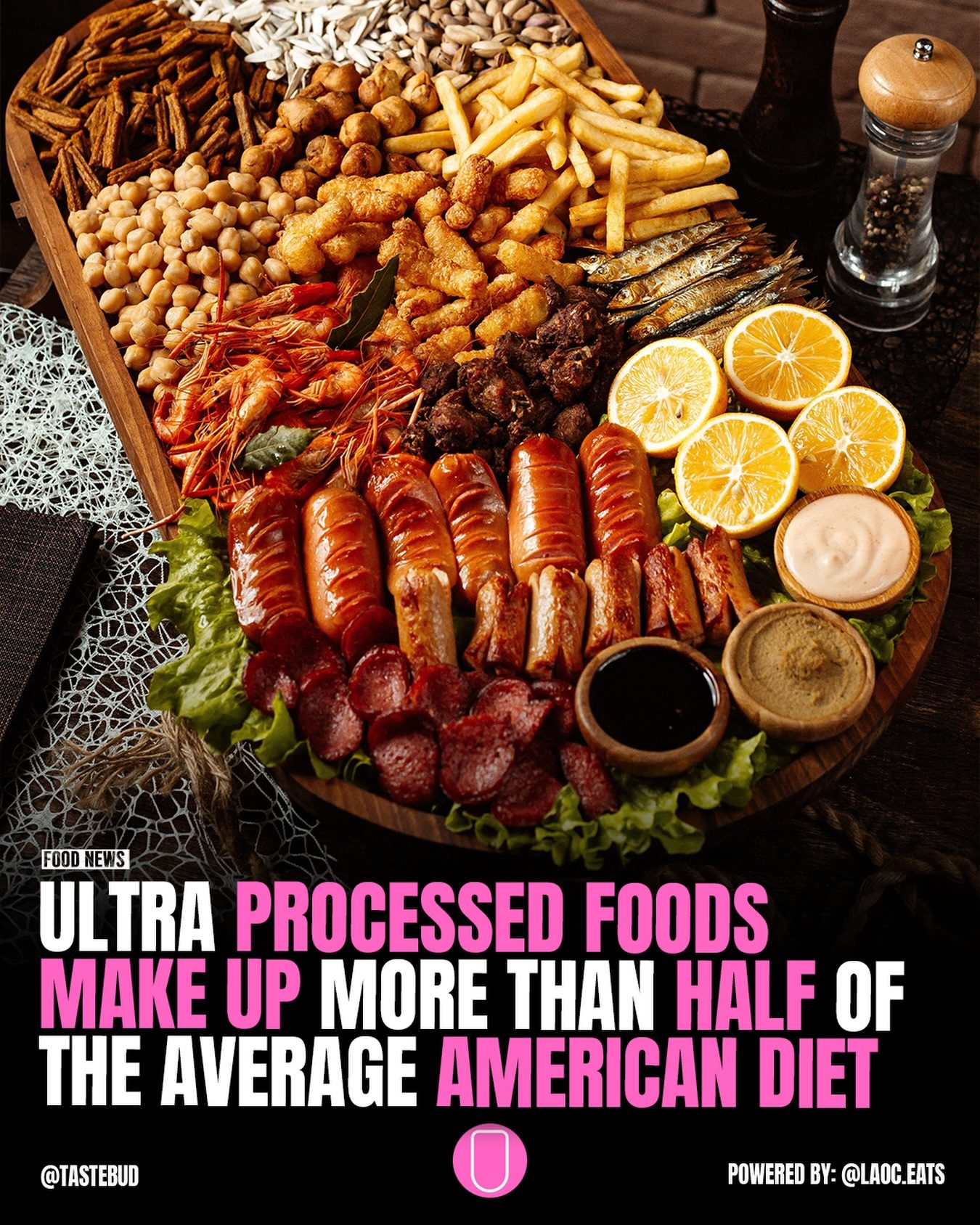
Food Platter Analysis
Ultra-processed foods (UPFs) make up more than 50 percent of the average American diet. These foods, which include packaged snacks, sugary drinks, and frozen meals, are often characterized by their long ingredient lists and additives. The prevalence of UPFs in the American diet has drawn significant attention from health experts and public health researchers.
Why This Matters
The high intake of ultra-processed foods is associated with increased risks of obesity, heart disease, and metabolic disorders. These foods often have lower fiber and nutrient content while being high in sugar, salt, and unhealthy fats. This shift in diet has led to public health concerns and ongoing debates about how to reduce reliance on these products and encourage more whole food consumption.
Understanding Ultra-Processed Foods
What Are Ultra-Processed Foods?
Ultra-processed foods are industrial formulations made entirely or mostly from substances derived from food and additives. They often include ingredients like hydrogenated oils, high-fructose corn syrup, and artificial flavors. Examples include packaged snacks, sugary drinks, and frozen meals. These foods are designed to be convenient, palatable, and often addictive, which contributes to their widespread consumption.
The Impact on Health
The consumption of ultra-processed foods has been linked to several health issues. Studies have shown that diets high in UPFs can lead to:
- Obesity: The high calorie content and low nutritional value of UPFs can contribute to weight gain and obesity.
- Heart Disease: The increased intake of unhealthy fats, sugars, and salts can raise the risk of cardiovascular diseases.
- Metabolic Disorders: These include conditions like type 2 diabetes and hypertension, which are often exacerbated by diets high in processed foods.
Nutritional Deficiencies
Heavy processing often strips foods of their natural nutrients, including fiber, vitamins, and minerals. This is replaced with additives that can be harmful in the long run. For instance, the absence of fiber can lead to digestive issues, while the excess sugar and salt can cause inflammation and other health problems.
The Prevalence in the American Diet
The average American diet is heavily reliant on ultra-processed foods. According to tastebudResearch published in medical journals, including the BMJ, UPFs account for more than 50 percent of the average American diet. This means that more than half of the food Americans consume is highly processed, with potential long-term impacts on public health.
Practical Tips for Reducing Ultra-Processed Foods
Embrace Whole Foods
One of the most effective ways to reduce the intake of ultra-processed foods is to embrace whole foods. These include fresh fruits, vegetables, whole grains, and lean proteins. Whole foods are minimally processed and retain their natural nutrients, making them a healthier alternative to UPFs.
Read Labels Carefully
When shopping for groceries, it's important to read food labels carefully. Look for products with short ingredient lists and those that are primarily made from whole foods. Avoid items with long lists of additives, artificial flavors, and high amounts of sugar, salt, and unhealthy fats.
Cook at Home
Cooking at home allows you to control the ingredients in your meals. By preparing your own food, you can ensure that you are consuming fresh, whole ingredients rather than ultra-processed ones. This not only improves your diet but can also be a rewarding and enjoyable experience.
Plan Your Meals
Meal planning can help you avoid the temptation of convenience foods. By planning your meals for the week, you can ensure that you have healthy, whole food options available and reduce the likelihood of reaching for processed snacks and meals.
Stay Hydrated
Drinking plenty of water can help curb cravings for sugary drinks and snacks. Staying hydrated is essential for overall health and can also help you feel more satisfied, reducing the urge to reach for unhealthy options.
Important Takeaways
- Ultra-processed foods are a significant part of the average American diet, contributing to various health issues.
- These foods are often low in nutrients and high in unhealthy ingredients like sugar, salt, and fats.
- Reducing the intake of ultra-processed foods can be achieved by embracing whole foods, reading labels, cooking at home, planning meals, and staying hydrated.
Conclusion
The prevalence of ultra-processed foods in the American diet is a pressing issue that impacts public health. By understanding the impact of these foods and taking proactive steps to reduce their consumption, individuals can improve their overall health and well-being. Emphasizing whole foods and making conscious choices about what we eat can lead to a healthier lifestyle and a reduced risk of chronic diseases.
Watch the Reel
Questions readers ask
What are ultra-processed foods and why are they a concern in the American diet?
Ultra-processed foods (UPFs) are packaged foods like snacks, sugary drinks, and frozen meals that contain long ingredient lists and additives. They are a concern because they make up more than half of the average American diet and are linked to increased risks of obesity, heart disease, and metabolic disorders due to their high sugar, salt, and unhealthy fat content, and low fiber and nutrient content.
How do ultra-processed foods contribute to obesity and metabolic disorders?
Ultra-processed foods contribute to obesity and metabolic disorders by offering high-calorie content packed in sugar and unhealthy fats. Due to these factors, they are less filling, causing overeating and weight gain. The lack of fiber and nutrients further disrupts metabolism, increasing the risk of conditions like diabetes, heart disease.
What are some examples of ultra-processed foods to avoid?
Examples of ultra-processed foods include packaged snacks like chips and cookies, sugary drinks like soda and sports drinks, and frozen meals that are high in sodium and unhealthy fats. Other examples are store-bought bread, candy, and ice cream.
How can reducing ultra-processed foods help with heart disease prevention?
Reducing ultra-processed foods can lower the intake of unhealthy fats, sodium, and sugar, which are linked to heart disease. By focusing on whole foods like fruits, vegetables, and whole grains, you can improve your diet's overall nutritional profile, promoting better heart health.
What are some strategies for promoting whole food consumption and reducing processed foods?
To promote whole food consumption, start by gradually replacing ultra-processed foods with fresh fruits, vegetables, whole grains, and lean proteins. Plan meals ahead, cook at home more often, and read food labels to avoid hidden sugars, salts, and unhealthy fats. Additionally, choose minimally processed foods when buying packaged products.
How does the high intake of ultra-processed foods affect the American diet's overall nutrition?
The high intake of ultra-processed foods in the American diet leads to increased consumption of sugar, unhealthy fats, and salt, while lowering the intake of fiber and essential nutrients. This imbalance contributes to various health issues and raises concerns about the overall nutritional quality of the American diet.
Related deep dives
Similar reads based on topic and creator.


Recent articles
Fresh deep dives from the latest Reels we unpacked.




Comments
Be the first to comment.