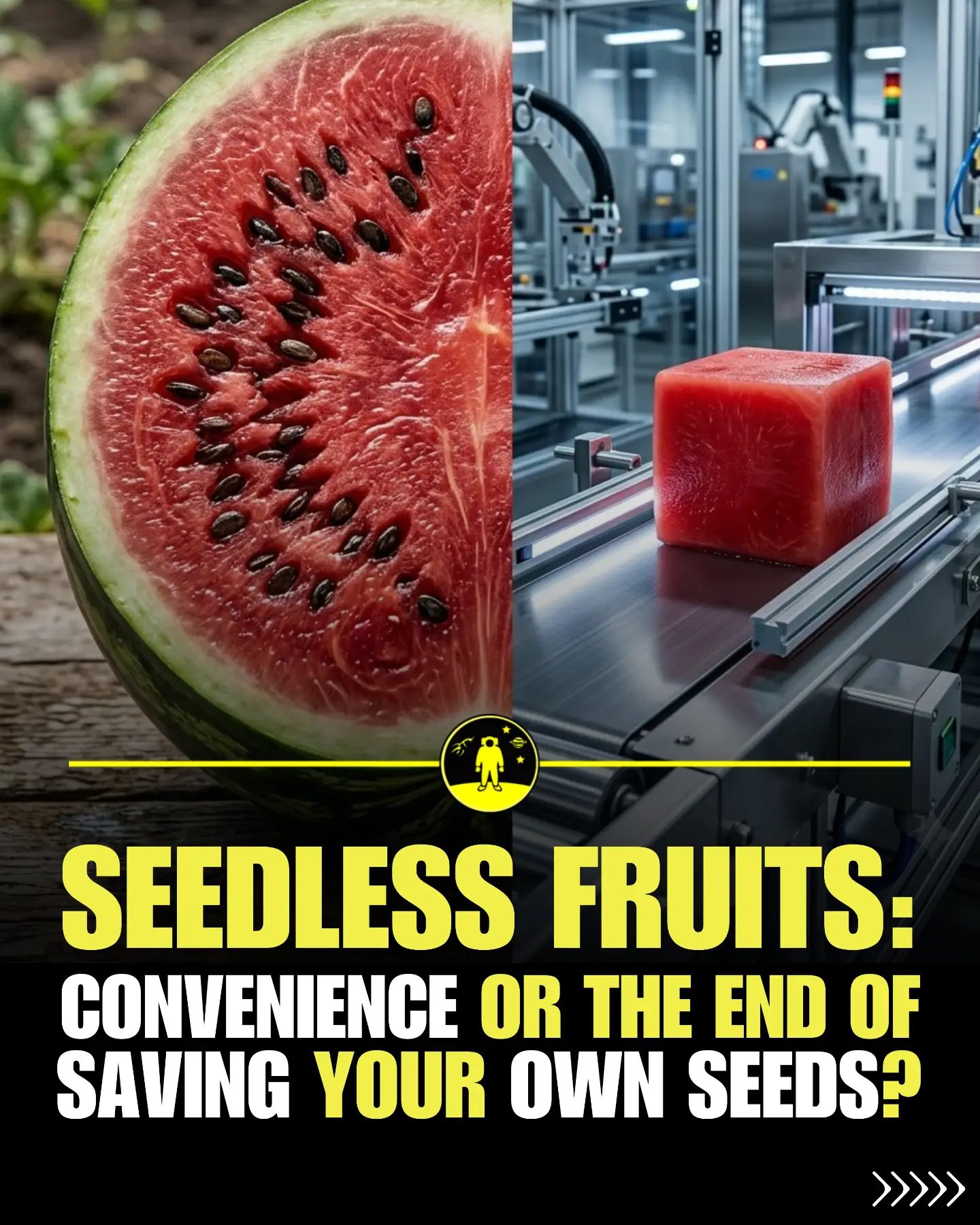
Seedless Fruits and Crop Diversity
Seed saving is an ancient practice that has sustained humanity for thousands of years. Farmers and families meticulously collected seeds from each harvest, ensuring a steady food supply for the following season. This tradition has evolved significantly over time, with seedless produce and commercially bred varieties becoming more common. While these modern fruits and vegetables offer convenience and higher yields, they also raise concerns about biodiversity and food independence.
Why This Matters
The shift towards seedless fruits has led to a decrease in seed saving and the cultivation of heirloom varieties. This decline is concerning, as traditional varieties contribute to genetic diversity, which is crucial for building resilient food systems. The United Nations reports that around seventy-five percent of crop diversity has been lost since the early twentieth century. This loss of diversity can make crops more susceptible to diseases, pests, and climate change, threatening future food security.
The Rise of Seedless Fruits
Convenience and Commercial Benefits
Seedless fruits, such as watermelons, offer convenience and consistent quality. Many modern plant varieties are bred for higher yields, disease resistance, and uniform appearance. These traits make them attractive to commercial growers and consumers alike. However, the convenience of seedless fruits comes at a cost—they often require growers to purchase new planting material each season, as the fruits themselves do not produce viable seeds.
The Dominance of Major Agricultural Companies
A handful of major agricultural companies dominate much of the commercial seed market. Many of these companies patent their varieties, controlling the supply and distribution of seeds. This dominance can limit the availability of traditional heirloom varieties and reduce genetic diversity. Additionally, patented seeds can be more expensive, making it harder for small-scale farmers to access diverse and resilient plant varieties.
The Importance of Heirloom Varieties
Heirloom varieties are traditional plant varieties passed down through generations. They often possess unique characteristics, such as resistance to local diseases and pests, and adaptability to specific growing conditions. These qualities make heirloom varieties invaluable for maintaining genetic diversity and ensuring food security.
Benefits of Heirloom Varieties
- Genetic Diversity: Heirloom varieties contribute to a broader gene pool, making crops more resilient to environmental changes and diseases.
- Flavor and Nutrition: Many heirloom varieties are known for their superior flavor and nutritional content, which can be lost in modern, commercially bred varieties.
- Cultural Significance: Heirloom varieties often have cultural and historical significance, preserving the traditions and knowledge of past generations.
Challenges in Preserving Heirloom Varieties
Preserving heirloom varieties requires effort and dedication. Many traditional varieties are not as commercially viable as modern hybrids, making them less attractive to large-scale farmers and seed companies. However, small-scale farmers, gardeners, and communities can play a crucial role in maintaining these varieties.
Supporting Biodiversity
Supporting biodiversity in agriculture involves more than just preserving heirloom varieties. It also includes promoting sustainable farming practices, such as crop rotation, polyculture, and integrated pest management. These practices help maintain healthy soil, reduce the need for chemical inputs, and support a diverse ecosystem.
Practical Tips for Growing and Saving Seeds
- Start Small: Begin with a few heirloom varieties that are well-suited to your climate and growing conditions. Even a small garden can serve as a living seed bank, contributing to agricultural diversity.
- Save Open-Pollinated Seeds: Focus on saving seeds from open-pollinated plants, which are more likely to produce true-to-type offspring. Avoid saving seeds from hybrid plants, as they may not grow true to the parent plant.
- Label and Store Seeds Properly: Label your seeds with the plant name and harvest date, and store them in a cool, dry place to maintain viability.
- Join a Seed-Saving Community: Connect with local gardening groups or seed-saving organizations to share knowledge, seeds, and resources. Community support can enhance the success and impact of your seed-saving efforts.
Promoting Food Independence
Promoting food independence involves taking an active role in growing and saving seeds. By cultivating heirloom varieties and sharing seeds with others, you contribute to a more resilient and diverse food system. This grassroots approach to agriculture supports local food sovereignty and strengthens community bonds.
Important Takeaways
Seedless fruits and modern plant varieties offer convenience and higher yields, but they also contribute to the loss of genetic diversity and traditional knowledge. Preserving heirloom varieties and promoting sustainable farming practices are essential for building resilient food systems and ensuring future food security. By taking an active role in seed saving, even small-scale gardeners can contribute to agricultural diversity and food independence.
Conclusion
The practice of seed saving is not merely a nostalgic tradition but a vital component of sustainable agriculture. While seedless fruits and modern varieties offer clear advantages, they also highlight the importance of preserving traditional knowledge and genetic diversity. By embracing heirloom varieties and sustainable farming practices, individuals and communities can actively contribute to a more resilient and diverse food system. Whether you grow one tomato plant on a balcony or maintain a full backyard garden, every seed you save is a step towards securing our food future.
Watch the Reel
Questions readers ask
What are seedless fruits and how do they affect crop diversity?
Seedless fruits are varieties that have been cultivated to lack seeds, offering convenience and sometimes higher yields. However, their rise has led to decreased crop diversity. Many seedless fruits cannot be propagated from seeds, so farmers rely on commercial nurseries for new plants, reducing the variety of plant species cultivated and the genetic diversity within those species.
How does the shift to seedless fruits threaten food independence?
Food independence relies on a variety of traditional seeds and the ability to save seeds from one harvest to the next. Seedless fruits disrupt this cycle, making farmers more dependent on commercial suppliers. This dependency can lead to increased costs and vulnerability to market fluctuations, thus threatening food independence.
What role does seed saving play in maintaining food system resilience?
Seed saving is crucial for maintaining a wide range of fruit varieties and genetic diversity. This diversity helps build resilience in food systems by ensuring there are various plants that can withstand different diseases, pests, and environmental changes, such as those brought about by climate change.
Why are heirloom seeds important for future food security?
Heirloom seeds are traditional varieties that have been cultivated over many generations. They offer a broad genetic pool that can be vital for adapting to future challenges, including climate change and new pests. By preserving heirloom seeds, we maintain options for developing new varieties that can thrive in changing conditions.
What are the advantages and disadvantages of seedless fruits in modern agriculture?
Seedless fruits offer advantages such as convenience for consumers and often higher yields for farmers. However, they also present disadvantages, including the loss of genetic diversity and the disruption of traditional seed-saving practices, which can jeopardize long-term food security and the resilience of agricultural systems.
How can consumers support the preservation of seed diversity?
Consumers can support the preservation of seed diversity by choosing to buy and consume heirloom and traditional varieties of fruits and vegetables. Additionally, they can participate in local seed-saving initiatives or community gardens, and support farmers who prioritize traditional seed varieties.
What steps can be taken to mitigate the impact of seedless fruits on food independence?
To mitigate the impact of seedless fruits on food independence, efforts can be made to promote the cultivation and consumption of traditional seed varieties. This can involve supporting local farmers who practice seed saving, advocating for policies that protect seed diversity, and encouraging research into the benefits of heirloom seeds for sustainable agriculture.
Related deep dives
Similar reads based on topic and creator.

Recent articles
Fresh deep dives from the latest Reels we unpacked.




Comments
Be the first to comment.