Inflation and Home Prices
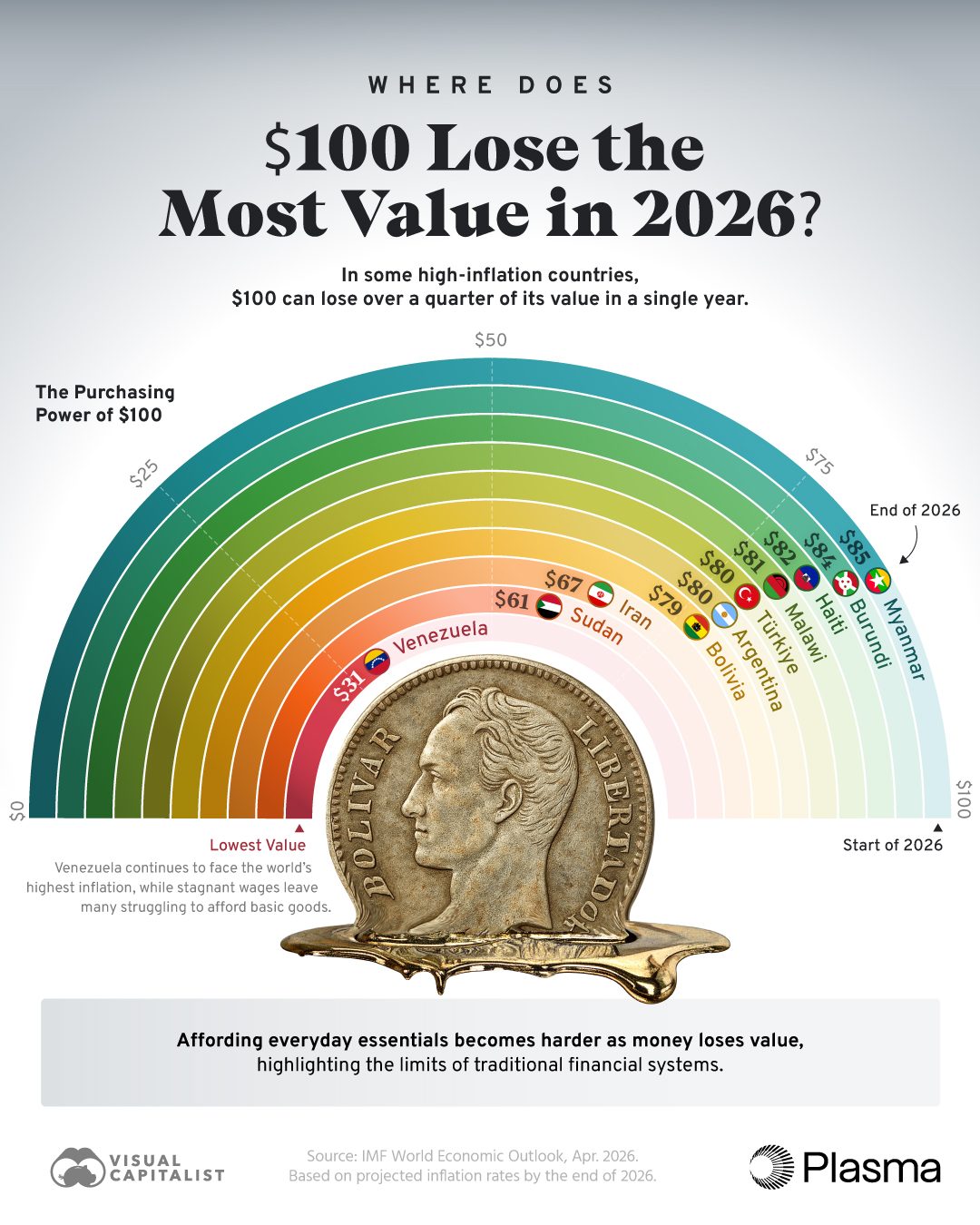
Rampant inflation in developing countries and rising U.S. housing costs are making it increasingly difficult for people worldwide to maintain their purchasing power. In some high-inflation countries, $100 can lose more than a quarter of its value in just one year. Meanwhile, U.S. home prices have surged significantly over the past five years, with Maine and Vermont experiencing the most dramatic increases.
Why This Matters
Understanding the connection between inflation and home prices is crucial for navigating the current economic landscape. With inflation eating away at the value of money, and housing costs skyrocketing, people are finding it harder to afford everyday essentials and maintain their standard of living. This situation highlights the limitations of traditional financial systems and the need for innovative solutions.
The Global Inflation Landscape
Countries with the Highest Inflation
Inflation is a global phenomenon, but some countries are hit harder than others. As of 2026, countries like Venezuela, Iran, and Sudan are at the forefront of this economic challenge. In these nations, the purchasing power of $100 can decrease by over 25% in just one year. This drastic loss of value makes it incredibly difficult for residents to afford basic necessities, let alone make significant purchases like a home.
The Impact on Daily Life
When inflation is high, the cost of living increases rapidly. This means that everyday essentials, such as food, transportation, and utilities, become more expensive. For families living on fixed incomes, this can be devastating. The ability to afford basic needs is compromised, and long-term financial planning becomes nearly impossible. This is a stark reminder that while inflation affects everyone, it disproportionately impacts those with lower incomes.
U.S. Housing Market Trends
States with the Biggest Price Surges
In the United States, housing prices have been on the rise for several years. From 2021 to 2026, many states saw significant price surges. Maine and Vermont led the pack with the highest increases. Maine experienced a 58% surge, and Vermont followed closely with a 52% increase. Other states, like New Hampshire, New Jersey, and New York, also saw substantial increases, with jumps of 52%, 54%, and 48%, respectively. This trend has made homeownership increasingly out of reach for many Americans.
The Economic Implications
The surge in home prices has far-reaching economic implications. For potential first-time homebuyers, the dream of owning a home is becoming more distant. Rising prices also affect renters, as landlords often pass on increased costs to tenants. This creates a ripple effect, making it harder for people to save money, plan for the future, and build wealth.
Innovative Solutions for Financial Stability
The Role of Financial Apps
In response to these economic challenges, financial apps like Plasma One offer innovative solutions. The Plasma One app allows users to hold their funds in U.S. dollars and earn up to 4% cashback on qualified everyday purchases. This is particularly beneficial in high-inflation environments, as it helps users preserve their purchasing power. By offering cashback on everyday purchases, the app encourages users to spend more wisely, maximizing their returns in a challenging economic climate.
Practical Tips
Managing Money in Inflationary Times
- Diversify Income Sources: Consider multiple income streams to cushion the impact of inflation. This could include freelancing, investing, or starting a side business.
- Save in Stable Currencies: If possible, save in currencies that are less prone to inflation. For example, holding funds in U.S. dollars can be a stable option during high-inflation periods.
- Use Financial Apps: Leverage financial apps that offer cashback and other incentives to get the most value from your spending.
- Invest Wisely: Invest in assets that tend to perform well during inflation, such as real estate, gold, or stocks with strong dividend yields.
- Budget Carefully: Create a detailed budget to track your spending and identify areas where you can cut back to save more.
Important Takeaways
- Inflation erodes the purchasing power of money, making it harder to afford basic necessities.
- High-inflation countries face significant economic challenges, with Venezuela, Iran, and Sudan among the hardest hit.
- U.S. housing prices have surged dramatically, with Maine and Vermont experiencing the highest increases.
- Innovative financial apps offer solutions to help preserve purchasing power in challenging economic times.
Conclusion
Rising inflation and housing costs are major economic challenges that affect people globally. While traditional financial systems may fall short in providing solutions, innovative financial apps like Plasma One offer new ways to manage money and preserve purchasing power. Whether you're navigating inflation in a high-risk country or dealing with soaring housing costs, staying informed and proactive is key to maintaining financial stability.
Watch the Reel
Questions readers ask
How does inflation affect home prices?
Inflation can drive up home prices in several ways. First, it increases the cost of building materials and labor, which are passed on to buyers. Second, inflation erodes purchasing power, making mortgages more expensive, and reducing the number of qualified buyers. This can create higher demand for the remaining buyers, further increasing prices, especially in high-demand areas like Maine and Vermont.
Which countries are most affected by inflation's impact on purchasing power?
Countries experiencing high inflation rates, such as those in some developing economies, are most affected. These countries often see significant currency devaluation, with some losing over 25% of their currency's value in a single year. This rapid inflation makes it challenging for residents to afford basic necessities, including housing.
Why are home prices in Maine and Vermont increasing so rapidly?
Maine and Vermont have seen dramatic increases in home prices due to a combination of factors. These include high demand from both local and out-of-state buyers, limited housing inventory, and the impact of inflation on construction costs. The scenic appeal and quality of life in these states have also contributed to increased demand.
How does inflation impact the 2026 housing market?
Predicting the 2026 housing market requires considering several factors, including inflation trends, interest rates, and economic stability. If inflation remains high, it could lead to continued increases in home prices and mortgage rates, making housing less affordable. However, if inflation is brought under control, the market may stabilize, or even cool off slightly.
What are the consequences of high inflation on the standard of living?
High inflation erodes purchasing power, making everyday essentials and housing more expensive. As a result, people may need to adjust their consumption habits, reduce spending on non-essentials, and potentially seek additional income sources. This can lead to a decrease in the overall standard of living, especially for those on fixed incomes.
How can individuals protect their purchasing power during high inflation?
During high inflation, individuals can take several steps to protect their purchasing power. These include investing in assets that tend to hold or increase their value during inflation, such as real estate or inflation-indexed bonds. Additionally, building an emergency fund, negotiating higher wages, and reducing debt can help maintain financial stability.
How does inflation impact housing affordability in a capitalist economy?
In a capitalist economy, inflation can exacerbate housing affordability issues by increasing construction costs and reducing the purchasing power of potential homebuyers. This can lead to a decrease in housing affordability, as well as increased demand for available housing, further driving up prices. Additionally, inflation can make mortgages more expensive, making it harder for people to qualify for loans.
Recent articles
Fresh deep dives from the latest Reels we unpacked.




Comments
Be the first to comment.