The Impact of Food Preparation on Nutrition and Weight Loss
Food preparation plays a pivotal role in determining the nutritional value of what we eat. Whether it's the size of our portions, methods of cooking, or the additional ingredients we incorporate, these factors influence our overall dietary intake. Understanding these nuances can help make more informed choices, especially for those aiming to lose weight or build a healthier body.
Why Preparation and Portion Sizes Matter
The Role of Preparation
The way food is prepared can significantly alter its nutritional content and caloric value. For instance, grilling a chicken breast versus frying it can result in a stark difference in calories and fat content.
Grilling retains most of the protein and nutrients while reducing the added fat, making it a better choice for those watching their calorie intake. On the other hand, frying adds extra calories from the oil, which can hinder weight loss efforts.
Portion Control
Portion sizes are equally important. Eating a single serving of a high-calorie food might not be as detrimental as consuming multiple servings. However, the misconception can lead to overeating. Understanding standard portion sizes and adhering to them is crucial for maintaining a balanced diet.
Comparing Common Food Choices
Vegetables
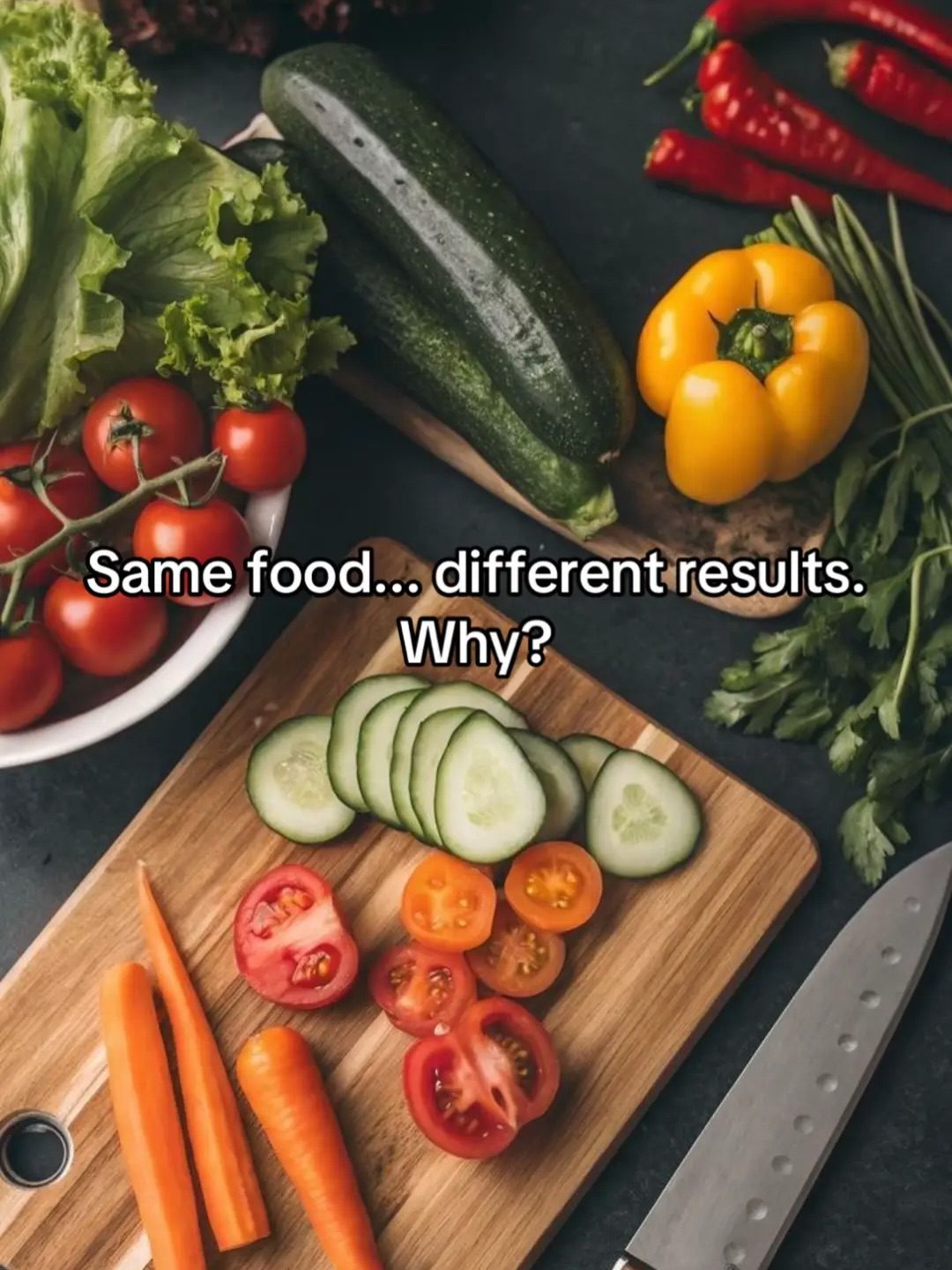
Demonstrating different ways to prepare vegetables can offer insight into how varying methods affect nutrition.
For example, cutting vegetables into different shapes and sizes can influence how quickly they are digested and absorbed by the body. A comparison of sliced versus diced vegetables illustrates this difference. While both are healthy options, the way they are prepared can affect their nutritional impact.
Toast
Choosing avocado over butter on toast can make a significant difference in calorie and fat intake. Avocado is high in healthy fats, which are beneficial in moderation. Butter, however, contains higher levels of saturated fats, which can contribute to weight gain if consumed excessively.
Yogurt
Yogurt is another example where preparation methods and additives can alter its nutritional profile. Sugar-free yogurt is a healthier option compared to yogurt loaded with sugar. The latter contains empty calories that provide little nutritional value, making it less suitable for weight loss goals.
The Importance of Consistency
Consistency in dietary habits is key to achieving long-term health goals. Small decisions, when made consistently, can lead to significant results over time. For example, opting for healthier cooking methods and controlling portion sizes daily can result in gradual weight loss.
Key Strategies for Success
-
Increase Protein Intake: High-protein foods help maintain muscle mass and keep you feeling full, reducing overall calorie consumption.
-
Control Added Fats and Sugars: Monitor the amount of oil, butter, and sugary additives in your meals. These can quickly add up and sabotage your nutrition goals.
-
Avoid Liquid Calories: Beverages like sugary sodas and fruit juices can contain a high number of calories without providing much nutritional value. Opt for water or unsweetened beverages instead.
-
Stay Consistent: Consistency is more important than perfection. Sticking to healthier choices consistently will yield better results than sporadic dieting.
Practical Tips for Better Food Choices
Use of Nutrition Apps
Apps like WorkIt can provide personalized meal guidance, helping users make better decisions with the same food. Features such as calorie tracking, macro breakdown, and TDEE (Total Daily Energy Expenditure) calculations provide valuable insights into daily nutritional needs.
Personalized Meal Planning
Creating a meal plan that aligns with your nutritional goals can simplify decision-making. Incorporate a variety of foods to ensure a balanced diet and avoid boredom.
Track Your Progress
Regularly tracking progress can help stay motivated and make adjustments as needed. Apps and journals can be useful tools for this purpose.
Important Takeaways
-
Food Preparation Matters: The way food is prepared can significantly impact its nutritional value and calorie content.
-
Portion Control Is Essential: Controlling portion sizes prevents overeating and helps manage calorie intake.
-
Consistency Is Key: Small, consistent changes in diet and lifestyle can lead to long-term health benefits.
-
Use Technology: Apps and tools can simplify tracking and planning, making it easier to achieve nutritional goals.
Conclusion
Understanding the impact of food preparation on nutrition and weight loss can empower individuals to make better food choices. By focusing on consistent, small decisions, portion control, and utilizing available technology, achieving health goals becomes more attainable. Embracing these strategies can lead to a healthier lifestyle and better overall well-being.
Watch the Reel
Questions readers ask
How does the method of cooking affect the calorie content of my meals?
The cooking method can significantly alter the calorie content of your meals. For example, frying adds extra calories from the oil, while grilling or baking can help retain the food's natural nutrients while reducing added fats. Choosing healthier cooking methods can lead to a reduction in overall caloric intake.
What are some low-calorie cooking techniques I can use?
There are several low-calorie cooking techniques you can adopt. Grilling, baking, steaming, and broiling are excellent methods that require little to no oil. These techniques help preserve the nutritional content of the food while keeping the calorie count low.
Why is portion control important for managing caloric intake?
Portion control is crucial because it directly impacts the number of calories you consume. Even healthy foods can contribute to weight gain if you eat them in large quantities. By controlling portion sizes, you can better manage your caloric intake and maintain a balanced diet.
How can I practice mindful eating habits to reduce caloric intake?
Mindful eating involves paying full attention to your food and the act of eating. This can help you recognize when you're full, reducing the likelihood of overeating. Additionally, it encourages you to savor your food, making every bite more satisfying and helping you avoid mindless snacking.
What are some tips for controlling portion sizes at home?
To control portion sizes at home, consider using smaller plates and bowls, which can help you eat less without feeling deprived. Another tip is to measure out servings before eating, rather than serving food family-style. This can prevent overeating and help you stay on track with your caloric goals.
How can I reduce calories in my meals by modifying my cooking habits?
To reduce calories, try incorporating more vegetables into your meals, as they are typically lower in calories and high in fiber. Additionally, use herbs and spices to flavor your food instead of salt, sugar, or high-calorie sauces. This can help you enjoy your meals while keeping the calorie count in check.
What impact do added ingredients have on the calorie content of a dish?
Added ingredients like sauces, dressings, and condiments can significantly increase the calorie content of a dish. These often contain added sugars, fats, or sodium. Being mindful of these additions and opting for lighter alternatives can help reduce overall caloric intake.
Recent articles
Fresh deep dives from the latest Reels we unpacked.




Comments
Be the first to comment.