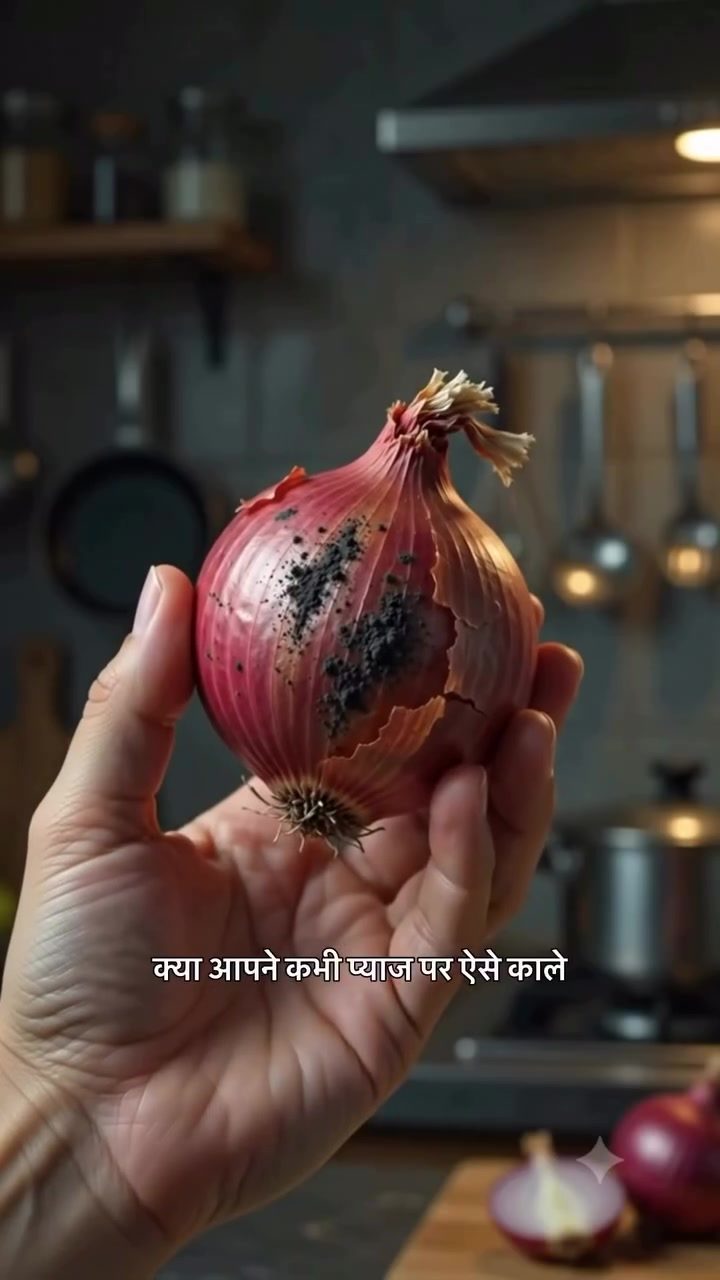
Fungal Spores on Onions
Onions are a staple in many kitchens, but have you ever noticed black spots on their surface and wondered if they were dangerous? These black spots are often caused by a fungus known as Aspergillus niger, commonly referred to as black mold. While not always a severe health concern for healthy individuals, consuming onions with significant fungal growth can pose risks, particularly for those with weak immune systems. Understanding how to identify and handle these spots is crucial for maintaining food safety and health.
Why This Matters
Food safety is a critical aspect of maintaining overall health. Contaminated food can lead to a variety of health issues, ranging from mild allergies to serious food poisoning. While black spots on onions might seem innocuous, they can be indicative of fungal growth that can compromise the safety of the food. Recognizing the signs of fungal contamination and taking appropriate steps to prevent it from spreading is essential for protecting your health and the health of those around you.
Main Discussion
Understanding Fungal Spores on Onions
Fungal spores on onions are typically caused by Aspergillus niger, a type of black mold. This fungus can grow on the surface of onions, especially if they are stored in damp or poorly ventilated conditions. The spores can appear as black spots on the onion's surface. While these spots might seem harmless, they can indicate the presence of mold that has penetrated deeper into the onion.
When mold is present only on the outer layers of the onion, it is generally safe to discard those layers and use the rest of the onion. However, if the mold has spread internally, the entire onion should be discarded to prevent the risk of contamination. It is essential to inspect onions thoroughly before use and discard any that show signs of significant mold growth.
Identifying Contaminated Onions
Identifying contaminated onions involves a close inspection of their surface and internal condition. Here are some key indicators of fungal contamination:
- Black Spots: If you notice black spots on the surface of the onion, it is likely contaminated with fungal spores.
- Soft Texture: Moldy onions often feel soft or mushy to the touch. Healthy onions should be firm.
- Foul Odor: A strong, unpleasant smell is another indicator of fungal contamination. If the onion smells bad, it is best to discard it.
- Internal Discoloration: Cutting the onion open to inspect its internal condition can reveal mold growth that is not visible from the outside.
The Impact of Fungal Contamination
Fungal contamination in onions can have varying impacts on health. For healthy individuals, consuming a small amount of moldy onion might not cause severe issues. However, it can lead to mild symptoms such as allergies or gastrointestinal discomfort. For those with weak immune systems, the risks are more significant. Moldy onions can cause more severe infections and food poisoning, leading to serious health complications.
Fungal spores can also spread to other foods and surfaces if not handled properly. This can contaminate your kitchen and other food items, posing a broader health risk. Therefore, it is crucial to handle and dispose of contaminated onions carefully to prevent the spread of mold.
Risk Factors and Vulnerable Populations
While fungal contamination in onions can affect anyone, certain populations are more vulnerable to its health impacts. These include:
- Immunocompromised Individuals: People with weakened immune systems, such as those undergoing chemotherapy, HIV/AIDS patients, or individuals with chronic illnesses, are at a higher risk of developing serious infections from moldy food.
- Elderly and Very Young: The elderly and very young children have weaker immune systems and are more susceptible to infections.
- Pregnant Women: Pregnant women need to be extra cautious as fungal infections can potentially affect the fetus.
Practical Tips
Storing Onions Properly
Proper storage is key to preventing fungal growth on onions. Here are some tips for storing onions safely:
- Dry and Ventilated Environment: Store onions in a cool, dry, and well-ventilated area. Avoid storing them in plastic bags, as this can trap moisture and promote mold growth.
- Avoid Humidity: Keep onions away from areas with high humidity, such as the refrigerator, unless they are stored in a separate, dry container.
- Avoid Damage: Handle onions carefully to avoid bruising or damaging their outer layers, as this can create entry points for mold.
- Regular Inspection: Regularly inspect your stored onions for signs of mold or spoilage. Remove any affected onions immediately to prevent the spread of mold.
Handling Moldy Onions
If you discover moldy onions, take the following steps to handle them safely:
- Discard Immediately: If the mold is present only on the outer layers, discard those layers and use the rest of the onion carefully. However, if the mold has penetrated deeper into the onion, discard the entire onion.
- Wash Hands: Always wash your hands thoroughly after handling moldy onions to prevent the spread of spores.
- Clean Surfaces: Clean and disinfect any surfaces that came into contact with the moldy onion to prevent contamination.
Preparing Onions Safely
When preparing onions, follow these guidelines to minimize the risk of contamination:
- Wash Thoroughly: Rinse onions under cold water before cutting to remove any spores on the surface.
- Use Clean Utensils: Ensure that all cutting boards, knives, and other utensils are clean and free of any residue from previous use.
- Cut Carefully: Cut away any discolored or damaged areas of the onion to reduce the risk of contamination.
Important Takeaways
- Identify Moldy Onions: Look for black spots, soft texture, foul odor, and internal discoloration as signs of fungal contamination.
- Proper Storage: Store onions in a cool, dry, and well-ventilated area, and handle them carefully to prevent damage.
- Handle with Care: Discard moldy onions immediately and clean any surfaces they may have contaminated.
- Avoid Risky Populations: Be extra cautious if you are immunocompromised, elderly, very young, or pregnant.
Conclusion
Fungal spores on onions, particularly Aspergillus niger, can pose a health risk if not handled properly. Recognizing the signs of contamination, storing onions correctly, and handling them with care are crucial steps in maintaining food safety. By following these guidelines, you can protect yourself and others from the potential health impacts of moldy onions. Always prioritize proper inspection and storage to ensure the onions you use are safe and healthy.
Watch the Reel
Related deep dives
Similar reads based on topic and creator.

Recent articles
Fresh deep dives from the latest Reels we unpacked.




Comments
Be the first to comment.