Insulin Resistance: Recognizing the Early Signs
Insulin resistance is a condition where the body's cells do not respond effectively to insulin, a hormone that regulates blood sugar. It often develops silently before progressing to more serious conditions like diabetes. Recognizing the early signs of insulin resistance can help you take proactive steps towards better health through lifestyle changes and medical care.
Context / Why This Matters
Insulin resistance is a critical health issue that affects millions of people worldwide. It is often a precursor to type 2 diabetes, polycystic ovary syndrome (PCOS), and heart disease. Early detection and management can significantly reduce the risk of these serious health consequences. Understanding the visible and hidden signs of insulin resistance is the first step in taking control of your health.
Main Discussion
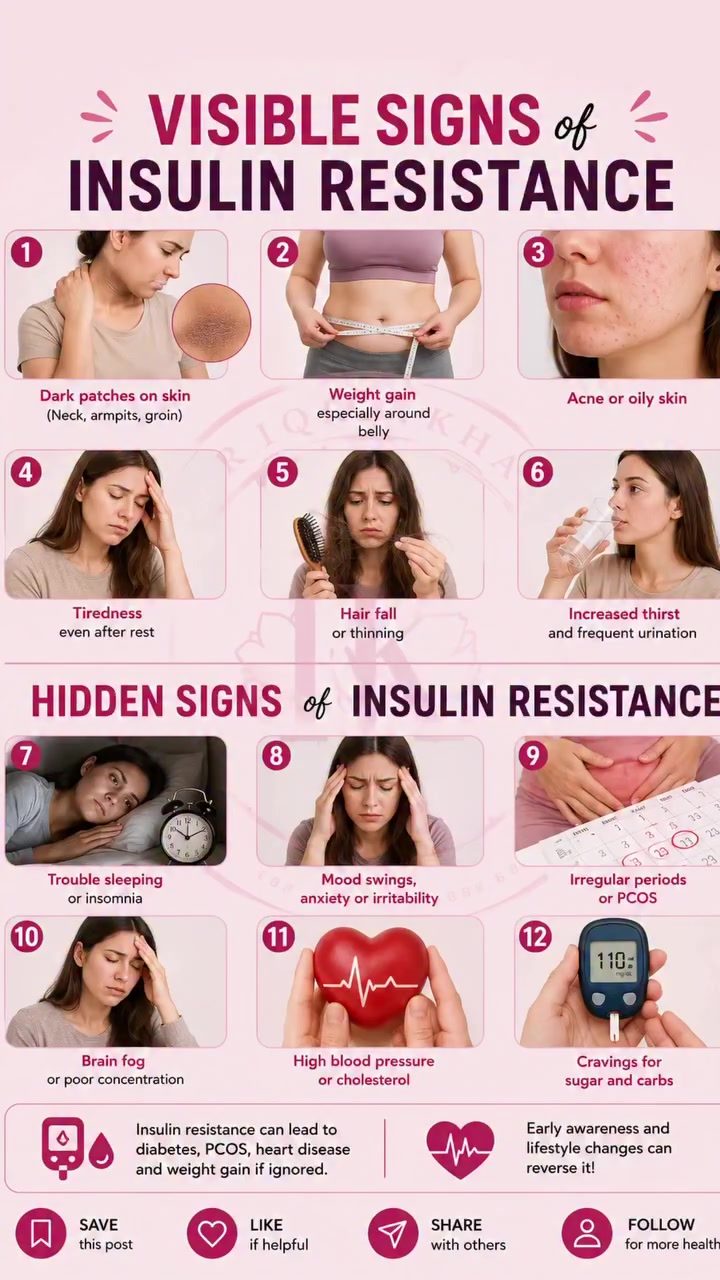
Insulin resistance can manifest in various ways, both visually and through internal symptoms. Recognizing these signs can help you seek timely medical intervention and adopt healthier habits.
Visible Signs
Several visible signs can indicate insulin resistance:
-
Dark Patches on Skin (Acanthosis Nigricans): These patches, often found on the neck, armpits, and groin, are a common sign of insulin resistance. The skin may appear velvety or leathery and is typically darker than the surrounding skin.
-
Weight Gain, Especially Around the Belly: Unexplained weight gain, particularly around the abdomen, can be a sign of insulin resistance. This type of weight gain is often accompanied by frequent urination.
-
Acne or Oily Skin: Persistent acne or oily skin can also be linked to insulin resistance. The hormonal imbalances associated with this condition can lead to skin issues.
-
Tiredness and Hair Fall: Persistent fatigue, even after adequate rest, and hair thinning or loss can be indicative of insulin resistance. These symptoms can significantly impact your daily life and overall well-being.
-
Increased Thirst: Excessive thirst, often accompanied by frequent urination, is a common symptom of insulin resistance. This can lead to dehydration if not managed properly.
Hidden Signs
Some signs of insulin resistance are not as visible but are equally important to recognize:
-
Trouble Sleeping: Insomnia or poor sleep quality can be linked to insulin resistance. This can lead to a vicious cycle of fatigue and poor health.
-
Mood Swings and Anxiety: Mood changes, including irritability, anxiety, or depression, can be symptoms of insulin resistance. These psychological effects can significantly impact your quality of life.
-
Irregular Periods: For people with PCOS, irregular periods are a common symptom of insulin resistance. This can affect fertility and overall reproductive health.
-
Brain Fog and Poor Concentration: Difficulty concentrating or experiencing brain fog can be a sign of insulin resistance. This can affect your ability to perform daily tasks and maintain productivity.
-
High Blood Pressure and Cholesterol: Elevated blood pressure or abnormal cholesterol levels can be indicators of insulin resistance. These conditions can increase the risk of heart disease and other serious health issues.
-
Cravings for Sugar and Carbs: Strong cravings for sugary or high-carbohydrate foods can be a sign of insulin resistance. These cravings can lead to a cycle of overeating and further weight gain.
Practical Tips
If you notice several of these symptoms, it's crucial to take action promptly.
Lifestyle Changes
-
Regular Exercise: Incorporate regular physical activity into your routine. Aim for at least 30 minutes of moderate exercise most days of the week. This can help improve insulin sensitivity and promote weight loss.
-
Balanced Nutrition: Adopt a balanced diet rich in fruits, vegetables, lean proteins, and whole grains. Avoid processed foods and sugary beverages, which can exacerbate insulin resistance.
-
Adequate Sleep: Prioritize quality sleep. Aim for 7-9 hours of sleep per night to support overall health and insulin sensitivity.
-
Weight Management: Maintain a healthy weight through diet and exercise. Even a modest weight loss can improve insulin sensitivity and reduce the risk of type 2 diabetes.
Medical Care
-
Early Diagnosis: If you suspect you have insulin resistance, consult a healthcare provider for proper testing. Diagnostic tools can include blood tests to measure blood sugar and insulin levels.
-
Regular Check-ups: Regular medical check-ups can help monitor your health and detect any changes in your insulin levels. Early intervention can prevent the progression to more severe conditions like diabetes and PCOS.
-
Medications: In some cases, medications may be prescribed to manage insulin resistance. Follow your healthcare provider's recommendations and adhere to the prescribed treatment plan.
Important Takeaways
Understanding the signs of insulin resistance is the first step in taking control of your health. Early detection and management can significantly reduce the risk of developing type 2 diabetes, PCOS, and heart disease. Regular exercise, a balanced diet, adequate sleep, and weight management are key to improving insulin sensitivity and overall health. Seek timely medical care and follow your healthcare provider's recommendations for the best outcomes.
Conclusion
Insulin resistance is a serious health condition that often develops silently. Recognizing the visible and hidden signs can help you take proactive steps towards better health. By adopting healthy lifestyle changes and seeking timely medical care, you can significantly reduce the risk of serious health consequences. Stay vigilant about your health and consult a healthcare provider if you notice several of the symptoms mentioned. Your well-being is in your hands, and early action can make a significant difference.
Watch the Reel
Questions readers ask
What are the visible signs of insulin resistance?
Visible signs of insulin resistance include dark skin patches, often in the armpits or neck, these are known as acanthosis nigricans. Additionally, weight gain around the belly and changes in skin such as acne and oily skin can indicate insulin resistance. These signs often appear before more serious symptoms develop.
How does insulin resistance affect skin health?
Insulin resistance can lead to several skin issues. Dark skin patches, especially in body folds, are a common indicator. Additionally, it can cause acne and oily skin due to hormonal imbalances. These skin changes often accompany other symptoms and can be an early sign of insulin resistance.
Can insulin resistance cause mood changes?
Yes, insulin resistance can affect mood. Fluctuations in blood sugar levels, which are common in insulin resistance, can lead to increased irritability, fatigue, and even mood swings. If you're experiencing unexplained mood changes alongside other symptoms, it may be worth discussing with a healthcare provider.
What are the early signs of diabetes related to insulin resistance?
Early signs of diabetes related to insulin resistance include persistent fatigue, increased thirst, frequent urination, and blurred vision. However, these symptoms may not appear until insulin resistance has progressed significantly. Paying attention to other early signs like dark skin patches and belly weight gain can help in earlier detection.
How can lifestyle changes help manage insulin resistance?
Lifestyle changes play a crucial role in managing insulin resistance. Regular physical activity, a balanced diet rich in fiber and lean proteins, and maintaining a healthy weight can improve the body's response to insulin. Quitting smoking and limiting alcohol consumption also contribute to better insulin sensitivity.
What role does persistent fatigue play in insulin resistance?
Persistent fatigue is a common symptom of insulin resistance. When cells do not respond effectively to insulin, the body struggles to convert glucose into energy, leading to chronic tiredness. If you're constantly feeling exhausted despite adequate rest, it could be a sign of insulin resistance and warrants a discussion with a healthcare provider.
Is there a connection between PCOS and insulin resistance?
Yes, there is a strong connection between PCOS (Polycystic Ovary Syndrome) and insulin resistance. Many women with PCOS also have insulin resistance, which can exacerbate symptoms like irregular periods, excess hair growth, and acne. Managing insulin resistance through lifestyle changes and medical care can help alleviate PCOS symptoms.
Recent articles
Fresh deep dives from the latest Reels we unpacked.




Comments
Be the first to comment.