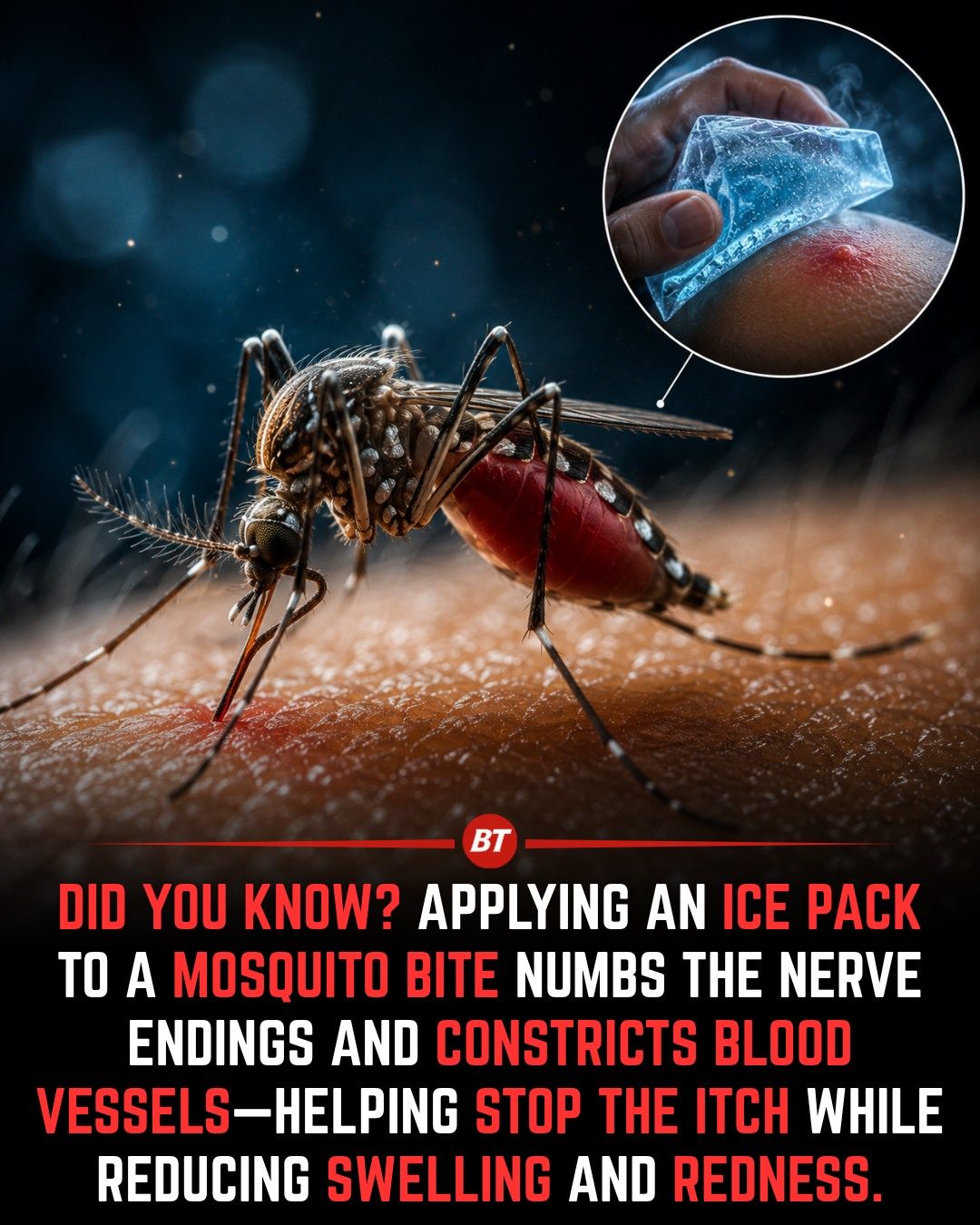
Mosquito Bite Relief with an Ice Pack
Mosquito bites are an inevitable part of summer, but the itching, redness, and swelling they cause can be highly irritating. Fortunately, there's a simple and effective remedy right in your freezer: an ice pack. This method is not only convenient but also backed by scientific principles that make it a go-to solution for many.
Why This Matters
Mosquito bites may seem like a minor inconvenience, but the itching and swelling they cause can be quite bothersome. Understanding why this happens and how to alleviate the symptoms effectively can make a significant difference in your comfort levels, especially during the peak mosquito seasons.
The Science Behind Mosquito Bites
After a mosquito bite, the intense itching isn't caused by the bite itself but by your immune system's reaction to the mosquito's saliva. When a mosquito bites, it injects saliva into your skin, which contains proteins that trigger an immune response. Your body releases histamine, a compound that widens nearby blood vessels to allow immune cells to reach the affected area. While this response helps your body defend against potential pathogens, it also causes the familiar itching, redness, and swelling.
How Cold Therapy Works
Applying a cold pack to a mosquito bite works in two key ways:
Numbing the Nerve Endings
One of the primary benefits of using an ice pack is its ability to numb the nerve endings in your skin. The cold temperature reduces the itch signals sent to your brain, providing immediate relief from the itchiness. This effect is due to the way cold affects the sensory receptors in your skin, effectively blocking the pain and itch signals.
Constricting Blood Vessels
In addition to numbing the nerve endings, the cold from the ice pack causes blood vessels to constrict, a process known as vasoconstriction. This reduces blood flow to the area, which in turn helps to alleviate swelling, redness, and inflammation. By limiting the amount of blood and immune cells that can reach the bite, the swelling and itching are significantly reduced.
How to Apply an Ice Pack Safely
To apply an ice pack to a mosquito bite, follow these steps:
- Wrap the Ice Pack: Wrap an ice pack or a bag of frozen vegetables in a thin towel. This is crucial to avoid direct contact with the skin, which can cause cold injury.
- Apply for 10-15 Minutes: Hold the wrapped ice pack against the bite for 10 to 15 minutes. This duration is usually sufficient to numb the area and reduce swelling effectively.
- Repeat if Necessary: If the itching persists, you can repeat the process after a short break.
When to Seek Medical Attention
While an ice pack can provide rapid symptom relief, it's important to recognize when a mosquito bite may require medical attention. Seek immediate help if:
- The bite becomes increasingly painful.
- The area develops pus.
- You experience difficulty breathing or widespread swelling.
These symptoms can indicate an allergic reaction or infection, which may need professional medical intervention.
Practical Tips
Here are some additional tips to make the most out of using an ice pack for mosquito bites:
Prepare in Advance
Keep a regular ice pack or a bag of frozen vegetables in your freezer, especially during mosquito season. This way, you'll have relief readily available whenever you need it.
Use Cold Compress Alternatives
If an ice pack isn't available, you can use a cold compress by soaking a cloth in cold water, wringing it out, and applying it to the bite. This method can also provide similar relief.
Take Precautions
Avoid using ice directly on the skin, as it can cause cold injury. Always use a barrier, such as a towel or cloth, between the ice and your skin.
Complementary Remedies
For more persistent itching, over-the-counter 1% hydrocortisone cream or an oral antihistamine can provide additional relief. These remedies can be particularly helpful if the reaction is more severe.
Important Takeaways
- Immediate Relief: An ice pack provides quick and effective relief from mosquito bite symptoms by numbing the nerve endings and reducing swelling.
- Natural Remedy: This method is a natural and non-medicated way to alleviate discomfort, making it a convenient option for quick relief.
- Proper Application: It's essential to apply the ice pack correctly to avoid cold injuries and achieve the best results.
Conclusion
Using an ice pack to alleviate mosquito bite symptoms is a tried-and-true method that leverages the body's natural responses to cold. By numbing the nerve endings and constricting blood vessels, an ice pack can provide rapid relief from itching, redness, and swelling. Whether you're enjoying a summer outing or dealing with a mosquito outbreak, having an ice pack on hand can make a world of difference in managing those pesky bites.
Watch the Reel
Questions readers ask
How does an ice pack help to reduce itching from mosquito bites?
An ice pack alleviates itching by numbing the affected area. The cold temperature reduces the activity of nerves that transmit the itch sensation, providing quick relief. Additionally, the cold constricts blood vessels, which helps to decrease inflammation and redness.
Can I use an ice pack immediately after noticing a mosquito bite?
Yes, applying an ice pack soon after noticing a bite can help minimize the itching and swelling. The sooner you apply the cold, the more effective it can be in reducing the immune reaction that causes these symptoms.
How long should I apply an ice pack to a mosquito bite?
Apply an ice pack to the bite for about 10-15 minutes. If the itch persists, you can repeat this process every few hours. However, be sure to wrap the ice pack in a thin cloth to protect your skin from frostbite.
What if I don't have an ice pack? Can I use other cold sources for relief?
If you don't have an ice pack, you can use other cold sources such as a bag of frozen vegetables or a cold compress. Anything that can provide a numbing effect will help to alleviate the discomfort and reduce swelling from the mosquito bite.
Does using an ice pack prevent mosquito bite reactions from getting worse?
Using an ice pack can help mitigate the initial reaction and may prevent it from getting worse. The cold constricts blood vessels, reducing the release of histamines, which are responsible for the itching and swelling. This can make the bite less noticeable and uncomfortable.
Are there any risks associated with using an ice pack on mosquito bites?
While ice packs are generally safe, it's important to avoid direct contact with your skin, as it can cause frostbite. Always wrap the ice pack in a thin cloth or towel. Additionally, people with poor circulation or sensitivity to cold should use this method with caution.
Can I use an ice pack on mosquito bites if I have sensitive skin?
If you have sensitive skin, it's still fine to use an ice pack, but be extra cautious. Make sure to wrap the ice pack in a cloth to avoid direct contact. It is also a good idea to test a small area of your skin first to ensure you don’t have an adverse reaction to the cold.
Related deep dives
Similar reads based on topic and creator.




Recent articles
Fresh deep dives from the latest Reels we unpacked.



Comments
Be the first to comment.