Innovative Car Technology
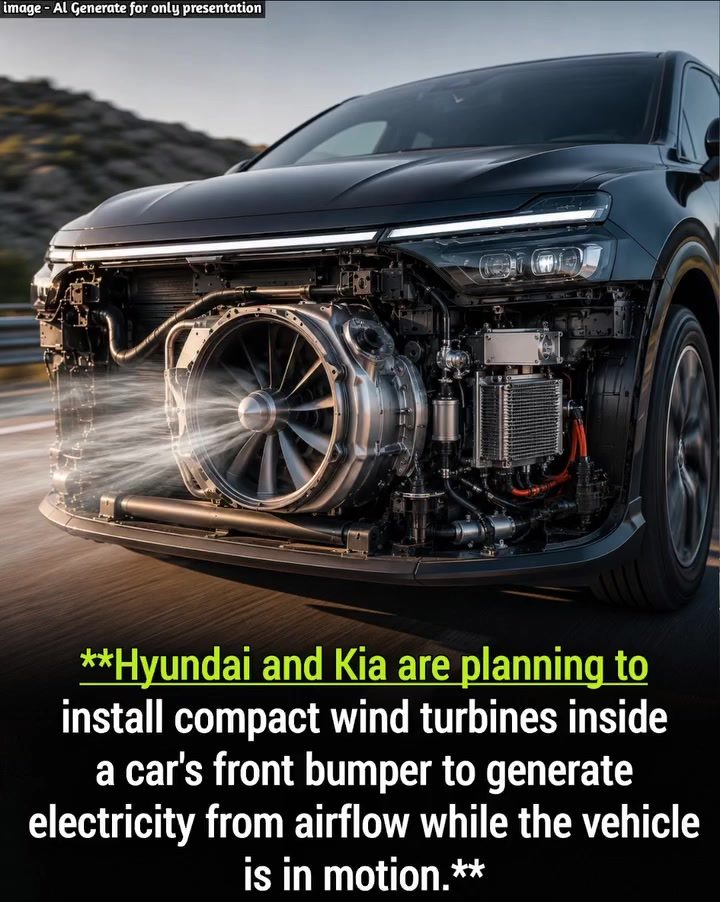
Cutting-edge automotive technology is constantly evolving, and the latest innovation from Hyundai and Kia is no exception. These automotive giants are exploring a groundbreaking concept: installing compact wind turbines inside a car's front bumper to generate electricity from airflow while driving. This system not only captures wind resistance but also converts it into usable electricity, marking a significant step towards more efficient and sustainable vehicles.
Why This Matters
The integration of wind turbines into a car's design is more than just a novel idea; it represents a shift towards harnessing renewable energy sources within the automotive industry. By capturing the kinetic energy from airflow, this technology could potentially reduce a vehicle's reliance on traditional power sources, leading to improved fuel efficiency and reduced emissions.
Main Discussion
The Concept and Design
The proposed system involves installing compact wind turbines within the front bumper of a vehicle. These turbines are designed to generate electricity by utilizing the airflow that naturally occurs while the car is in motion. The front bumper is equipped with adjustable grille flaps that open to allow airflow through the turbines and close during cruising to maintain optimal aerodynamics. This design ensures that the vehicle's performance and fuel efficiency are not compromised.
Power Generation and Utilization
The turbines feed a generator that produces electricity, which can be used to power onboard 12-volt electronics. This electricity can also supplement vehicle cooling systems, making the car more efficient. In gas-powered vehicles, this system could potentially replace the traditional alternator, further enhancing fuel efficiency. The turbines are designed to generate electricity passively, meaning they do not require any additional fuel or external power sources to operate. This makes them an ideal solution for reducing a vehicle's carbon footprint.
Aerodynamics and Efficiency
One of the key aspects of this design is its focus on aerodynamics. The adjustable grille flaps ensure that the airflow is optimized, minimizing drag and maintaining the vehicle's aerodynamic efficiency. This is crucial for both performance and fuel efficiency. By opening and closing as needed, the flaps allow the turbines to generate electricity without significantly affecting the car's overall design and functionality.
Potential Applications
This technology has the potential to be applied across a wide range of vehicles, from passenger cars to commercial trucks. The ability to generate electricity from airflow while driving could revolutionize the way we think about powering vehicles. For electric vehicles, this could mean extended range and reduced charging needs. For gas-powered vehicles, it could lead to improved fuel efficiency and reduced emissions.
Practical Tips
If you're considering a car that might incorporate this technology, here are a few practical tips to keep in mind:
- Check for Compatibility: If you're buying a car with the latest technology, ensure that it is compatible with the wind turbine system. This might involve checking the car's specifications and consulting with the manufacturer.
- Understand the Benefits: Familiarize yourself with the benefits of this system, such as improved fuel efficiency and reduced emissions. Understanding these benefits can help you make an informed decision when purchasing a vehicle.
- Consider Future-Proofing: As technology continues to advance, consider how future updates or upgrades might affect your car. Ensuring that your vehicle can be easily upgraded with the latest technology can help maintain its value and performance in the long run.
Important Takeaways
Motorists should be aware of the potential benefits of incorporating wind turbine technology into their vehicles. The ability to generate electricity from airflow while driving could lead to significant improvements in fuel efficiency and reduced emissions. This technology represents a step towards a more sustainable and efficient future for the automotive industry.
Conclusion
Incorporating wind turbines into a car's design is a bold and innovative step towards harnessing renewable energy within the automotive industry. Hyundai and Kia's concept of installing compact wind turbines inside a vehicle's front bumper not only captures wind resistance but also converts it into usable electricity, making vehicles more efficient and sustainable. As this technology continues to evolve, it has the potential to revolutionize the way we power our cars and pave the way for a greener future.
Watch the Reel
Questions readers ask
How do Hyundai and Kia's wind turbines in cars work?
Hyundai and Kia's innovative system involves placing compact wind turbines inside the front bumper of a vehicle, which harnesses the kinetic energy from airflow generated at the car's speed. As the vehicle moves, the turbines convert the force of the airflow into electricity, which can then be used to power various systems within the car, enhancing overall efficiency and reducing the need for traditional power sources.
What are the primary benefits of wind turbines in a car?
The primary benefits include improved fuel efficiency as the turbines generate electricity from the airflow, reducing the car's reliance on the engine for powering various electrical systems. This can potentially lower emissions and reduce fuel consumption, contributing to a more sustainable driving experience. Additionally, the inclusion of wind turbines offers a strategic advantage in developing greener automotive technologies.
Can wind turbines in cars generate enough electricity to power the entire vehicle?
The compact wind turbines currently integrated by Hyundai and Kia are designed to enhance the car's electrical systems and improve overall efficiency, rather than power the entire vehicle. The generated electricity primarily supports auxiliary functions, such as lighting, climate control, and infotainment systems, rather than serving as the main power source for driving the vehicle.
How does the integration of wind turbines affect a car's design and performance?
The integration of compact wind turbines has a minimal impact on the car's design and aesthetics. The turbines are cleverly placed within the front bumper, ensuring they do not disrupt the vehicle's aerodynamics. This thoughtful placement allows the car to retain its original design and aerodynamic efficiency. Additionally, the turbines are designed to operate without compromising the car's overall performance or handling capabilities.
What are the potential challenges of incorporating wind turbines in cars?
One of the primary challenges is ensuring the turbines can generate a significant amount of electricity at various driving speeds and conditions. Additionally, the durability of the turbines in harsh weather and environmental conditions, as well as their integration with existing vehicle systems, are critical factors to consider. Finally, the cost implications and maintaining the system’s efficiency over time are important considerations for widespread adoption.
Are there plans to incorporate other renewable energy sources into Hyundai and Kia vehicles?
Hyundai and Kia have shown a strong commitment to sustainable automotive technologies, and wind turbines are just one part of their broader strategy. Both companies are actively exploring other renewable energy sources, including solar power and advanced battery technologies, to further enhance the efficiency and sustainability of their vehicles. While specific plans may not be publicly disclosed, their ongoing research and development efforts indicate a clear focus on integrating multiple renewable sources into future vehicle models.
How do wind turbines in cars contribute to sustainability goals?
By harnessing the kinetic energy from airflow, wind turbines in cars help to reduce reliance on traditional fuel sources, which in turn lowers the vehicle's carbon footprint. This technology contributes to a more sustainable automotive industry by promoting the use of renewable energy. Additionally, it helps to reduce emissions and support the development of greener, more efficient vehicles, aligning with global sustainability goals and regulatory requirements.
Recent articles
Fresh deep dives from the latest Reels we unpacked.




Comments
Be the first to comment.