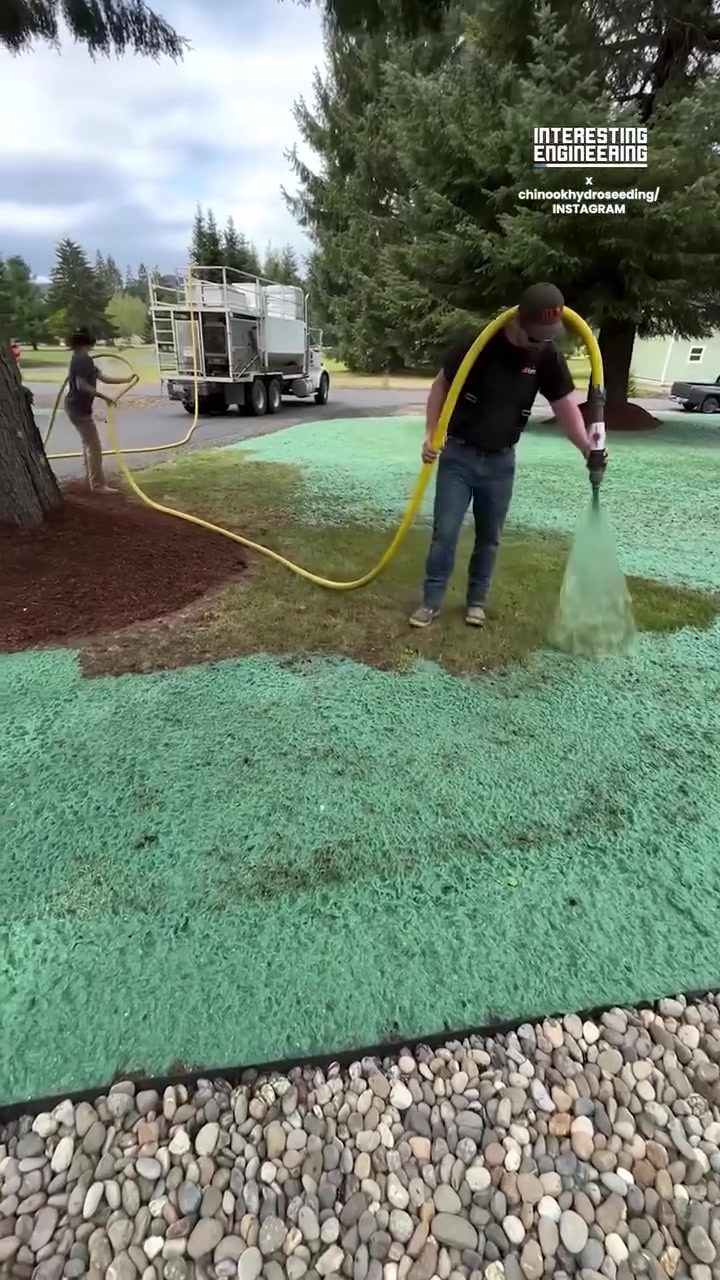
Hydroseeding: A Comprehensive Guide to Rapid Lawn Establishment
When preparing a large area for vegetation, hydroseeding, a landscaping technique, proves to be an ideal solution. This method involves spraying a slurry mixture of grass seed, mulch, fertilizer, and water onto the soil. Whether you're a homeowner looking to refresh a lawn or a landscaper tackling a significant project, hydroseeding offers a fast and efficient way to establish lush, green lawns.
Why Hydroseeding Matters
Hydroseeding is particularly beneficial for large-scale projects, such as golf courses, sports fields, and commercial properties. This technique ensures even distribution of seed, reducing the time and labor required for manual seeding. Moreover, the slurry mixture aids in preventing erosion, improving seed adhesion, and promoting rapid germination. For those working with slopes, hydroseeding is invaluable, as it allows the slurry to cling to the soil, preventing washout and ensuring uniform seed coverage.
The Basics of Hydroseeding
What is Hydroseeding?
Hydroseeding is a process that utilizes a hydroseeder, a machine designed to mix and spray the slurry mixture. This machine ensures that the seed, mulch, fertilizer, and water are evenly distributed, resulting in a uniform lawn. The slurry mixture is typically green, which makes it easy to visualize the coverage and identify areas that may need additional attention. The green color also helps in protecting the seed from harsh sunlight, ensuring better germination rates.
Key Components of the Slurry Mixture
The slurry mixture used in hydroseeding consists of several key components, each playing a crucial role in the process:
- Grass Seed: The primary component of the mixture, the grass seed is selected based on the desired type of lawn and the specific soil and climate conditions.
- Mulch: Typically made from wood fibers or paper, the mulch helps to retain moisture, stabilize the seed in place, and protect it from birds and other pests.
- Fertilizer: Added to promote rapid growth, the fertilizer provides essential nutrients that the grass seed needs to germinate and thrive.
- Water: The liquid component of the slurry, water is essential for the mixing process and for providing the necessary moisture for germination.
Practical Tips for Successful Hydroseeding
To achieve the best results with hydroseeding, consider the following practical tips:
Soil Preparation
Before applying the slurry, ensure that the soil is well-prepared. This involves:
- Clearing Debris: Remove any large rocks, weeds, or other debris from the area.
- Tilling: Loosen the soil to a depth of at least 4-6 inches to promote better seed-to-soil contact and root penetration.
- Leveling: Ensure the soil is level to prevent puddles and uneven growth.
Choosing the Right Seed
Selecting the appropriate grass seed is crucial for successful hydroseeding. Factors to consider include:
- Climate and Soil Conditions: Choose a seed variety that is well-suited to the local climate and soil type.
- Water and Sunlight Requirements: Consider the amount of water and sunlight the lawn will receive, and select a seed that thrives under those conditions.
- Purpose of the Lawn: Different grass types are better suited for various uses, such as sports fields, golf courses, or residential lawns.
Applying the Slurry
When applying the slurry, follow these guidelines:
- Consistent Coverage: Ensure even distribution of the slurry mixture across the entire area. This can be achieved by moving the hydroseeder in a consistent pattern.
- Avoid Overlap: Overlapping the spray too much can result in uneven growth, so it's essential to find a balance.
- Ideal Weather Conditions: Apply the slurry on a day with mild temperatures and low wind speeds to prevent drying out and ensure proper adhesion.
Post-Application Care
After applying the slurry, proper care is essential to ensure successful germination and growth. This includes:
- Watering: Keep the area consistently moist by watering lightly and frequently until the grass establishes.
- Weed Control: Monitor the area for weeds and remove them promptly to prevent competition for nutrients and water.
- Avoid Heavy Foot Traffic: Allow the seed to germinate and establish before allowing heavy foot traffic, which could disrupt the growth process.
Important Takeaways
- Efficiency: Hydroseeding is a fast and efficient method for establishing vegetation, ideal for large areas and slopes.
- Seed Coverage: The slurry mixture ensures even distribution of seed, promoting uniform growth and preventing erosion.
- Versatility: Suitable for various applications, including residential lawns, sports fields, and commercial properties.
Conclusion
Hydroseeding offers a rapid and effective solution for establishing lush, green lawns. By understanding the process, selecting the right components, and following best practices, you can achieve a beautiful, durable lawn. Whether you're tackling a small backyard project or a large-scale commercial landscape, hydroseeding provides a reliable method for achieving even, healthy lawn growth.
Watch the Reel
Questions readers ask
What exactly is hydroseeding and how does it work?
Hydroseeding is a plant establishment process that combines grass seed, mulch, fertilizer, and water into a slurry mixture, which is then sprayed onto soil to quickly create a blanket of grass. When applied correctly, it germinates in less than a week, helping to establish dense vegetation and prevent soil erosion.
What are the primary benefits of using hydroseeding for lawn establishment?
Hydroseeding offers several advantages, including even seed distribution, rapid germination, and excellent soil erosion control. It is particularly useful for large, hard-to-access areas, such as slopes, sports fields, and golf courses, as it significantly reduces the time and effort required for manual seeding.
What is the typical cost of hydroseeding a lawn?
The cost of hydroseeding can vary depending on the size of the area, the type of seed used, and regional pricing differences. On average, homeowners can expect to pay between $0.05 to $0.25 per square foot. For a more accurate estimate, it is recommended to consult with local hydroseeding professionals who can provide a detailed quote.
Can hydroseeding be used on slopes and uneven terrain?
Yes, hydroseeding is especially effective on slopes and uneven terrain. The slurry mixture adheres well to the soil, promoting quick germination and stabilizing the ground to prevent erosion. This makes it an ideal choice for hillside landscaping, embankments, and other challenging terrains.
How does hydroseeding compare to traditional seeding methods?
Compared to traditional seeding methods, hydroseeding provides faster and more uniform coverage. With hydroseeding, the mixture is sprayed evenly, rather than being spread by hand or machine, which allows for quicker growth and a more consistent lawn. Additionally, hydroseeding helps prevent erosion, which is not a benefit of traditional seeding.
Recent articles
Fresh deep dives from the latest Reels we unpacked.




Comments
Be the first to comment.