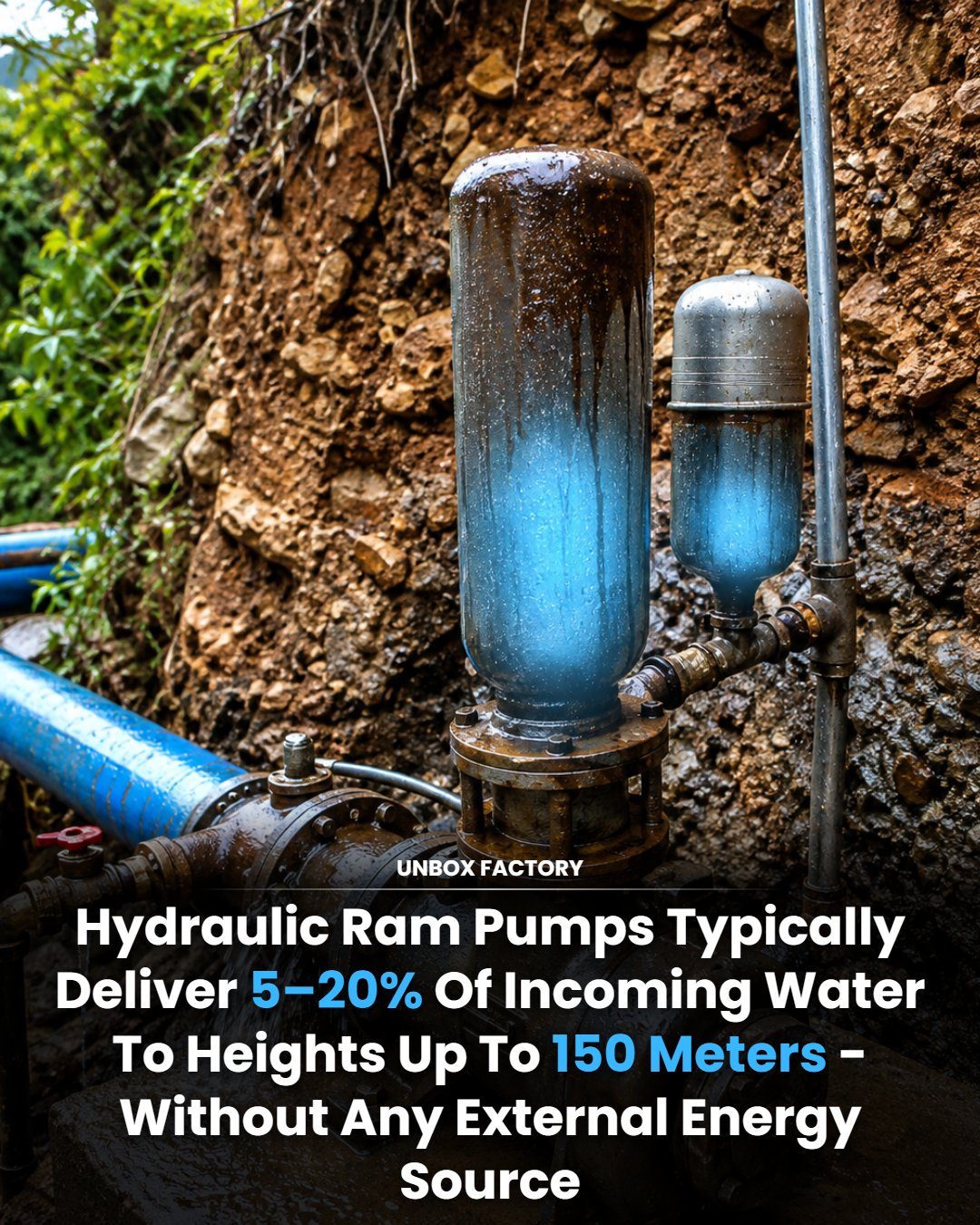
Hydraulic Ram Pumps: Harnessing Gravity for Water Supply
Hydraulic ram pumps offer a sustainable and efficient solution for pumping water to higher elevations using only the natural force of flowing water. These pumps are particularly valuable in remote and off-grid locations where access to electricity, diesel, solar panels, or batteries is limited or non-existent.
Why Hydraulic Ram Pumps Matter
Hydraulic ram pumps are designed to deliver 5–20% of the incoming water to elevations reaching up to 150 meters (492 feet), while the remaining water continues flowing downstream. This makes them ideal for remote villages, mountain farms, and off-grid communities where traditional power sources are scarce. Their ability to operate 24 hours a day for decades with minimal maintenance is a testament to their durability and reliability.
Advantages of Hydraulic Ram Pumps
- Energy Efficiency: Since hydraulic ram pumps operate without any external energy source, they are incredibly energy-efficient. The pumps use the natural force of flowing water to lift a portion of it uphill.
- Low Maintenance: Once installed, these pumps can operate continuously for decades with minimal maintenance, making them a cost-effective solution for long-term water supply.
- Sustainability: Hydraulic ram pumps provide a sustainable water supply solution, using only gravity and flowing streams. This makes them environmentally friendly and ideal for areas where preserving natural resources is crucial.
- Reliability: These pumps are designed to provide reliable drinking water and irrigation, ensuring a steady water supply for communities in need.
How Hydraulic Ram Pumps Work
Hydraulic ram pumps operate on a simple but ingenious principle. They utilize the kinetic energy of a large quantity of water flowing through a pipe to lift a smaller quantity of water to a higher elevation. The process involves several key components:
- Drive Pipe: This is the main pipe through which water flows. It directs the flowing water towards the pump.
- Waste Valve: This valve controls the flow of water and directs it either to the waste pipe or to the delivery pipe.
- Air Chamber: This chamber acts as a cushion, absorbing the shock of water hammer and ensuring smooth operation.
- Delivery Pipe: This pipe carries the pumped water to the desired elevation.
- Delivery Check Valve: This valve prevents the backflow of water from the delivery pipe.
Installation and Operation
Installing a hydraulic ram pump involves connecting it to a water source via pipes and ensuring it is positioned correctly to harness the natural flow of water. The pump operates by directing a portion of the flowing water into a drive pipe, which creates a surge that closes the waste valve. This surge pushes water through the delivery pipe to the higher elevation. The remaining water continues to flow downstream.
Ideal Locations for Hydraulic Ram Pumps
Hydraulic ram pumps are particularly well-suited for the following locations:
- Remote Villages: Communities far from traditional power sources can benefit from the reliable water supply provided by these pumps.
- Mountain Farms: High-altitude agricultural areas often struggle with water supply. Hydraulic ram pumps can deliver water to these elevated locations effectively.
- Off-Grid Communities: Areas that rely on renewable energy sources or have no access to power grids can use hydraulic ram pumps to ensure a steady water supply.
- Developing Regions: Countries in Africa, Asia, and Latin America continue to use these pumps for providing drinking water and irrigation, ensuring sustainable water management.
Practical Tips for Hydraulic Ram Pump Installation
- Choose the Right Location: Ensure the pump is installed in a location with a consistent and sufficient water flow. The drive pipe should be positioned to maximize the water's kinetic energy.
- Proper Pipe Sizing: The drive, delivery, and waste pipes must be correctly sized to ensure optimal performance. Consult engineering guidelines for specific sizing recommendations.
- Maintenance: While minimal, regular maintenance is essential to keep the pump running smoothly. Periodically check the valves, pipes, and air chamber for any signs of wear or damage.
- Environmental Considerations: Install the pump in a way that minimizes environmental impact. Ensure the surrounding area is stable to prevent erosion and other issues.
- Professional Installation: If possible, hire a professional to install the pump. Proper installation ensures maximum efficiency and longevity.
Important Takeaways
- Hydraulic ram pumps are a sustainable and reliable solution for pumping water to higher elevations using only the natural force of flowing water.
- They deliver 5–20% of incoming water to heights up to 150 meters without any external energy source, making them ideal for remote and off-grid locations.
- These pumps are low-maintenance, energy-efficient, and environmentally friendly, making them a valuable asset for communities around the world.
- Proper installation and periodic maintenance are crucial for ensuring the pump's longevity and efficiency.
Conclusion
Hydraulic ram pumps offer a practical and sustainable solution for water supply in remote and off-grid communities. By harnessing the natural force of flowing water, these pumps provide a reliable and efficient means of lifting water to higher elevations. Whether in remote villages, mountain farms, or off-grid communities, hydraulic ram pumps continue to play a crucial role in ensuring access to clean water and supporting sustainable living.
Watch the Reel
Questions readers ask
How do hydraulic ram pumps work in off-grid areas?
Hydraulic ram pumps use the kinetic energy from flowing water to pump a portion of that water to higher elevations. They operate by opening and closing a valve to create a water hammer effect, which forces a portion of the water up to the desired height, making them ideal for off-grid areas with limited access to electricity or fossil fuels.
What is the typical efficiency of a hydraulic ram pump?
Hydraulic ram pumps are designed to be highly efficient, delivering 5–20% of the incoming water to higher elevations. The remaining water continues flowing downstream, ensuring minimal waste and optimal use of the water resource.
How much can a hydraulic ram pump lift water?
Hydraulic ram pumps can lift water to elevations reaching up to 150 meters (492 feet). This capability makes them suitable for mountain farms, remote villages, and other locations where water needs to be transported over significant changes in elevation.
What maintenance is required for hydraulic ram pumps?
Hydraulic ram pumps are known for their low-maintenance requirements. They can operate continuously for decades with minimal upkeep, making them a reliable long-term solution for off-grid water supply. Regular inspections and occasional cleaning of the pump's internal components are typically all that is needed.
How do I determine the right size of a hydraulic ram pump for my needs?
To determine the appropriate size of a hydraulic ram pump, you need to consider the flow rate and head (height difference) of the water source, as well as the desired water delivery rate. Consulting with a hydraulic ram pump supplier or expert can help ensure you select the right model for your specific water delivery system.
Can hydraulic ram pumps be used in areas with seasonal water flow?
Hydraulic ram pumps can be used in areas with seasonal water flow, but their effectiveness will depend on the consistency and flow rate of the water source. In situations where water flow is intermittent, a storage system or backup water source may be necessary to ensure a steady water supply during dry periods.
Related deep dives
Similar reads based on topic and creator.

Recent articles
Fresh deep dives from the latest Reels we unpacked.




Comments
Be the first to comment.