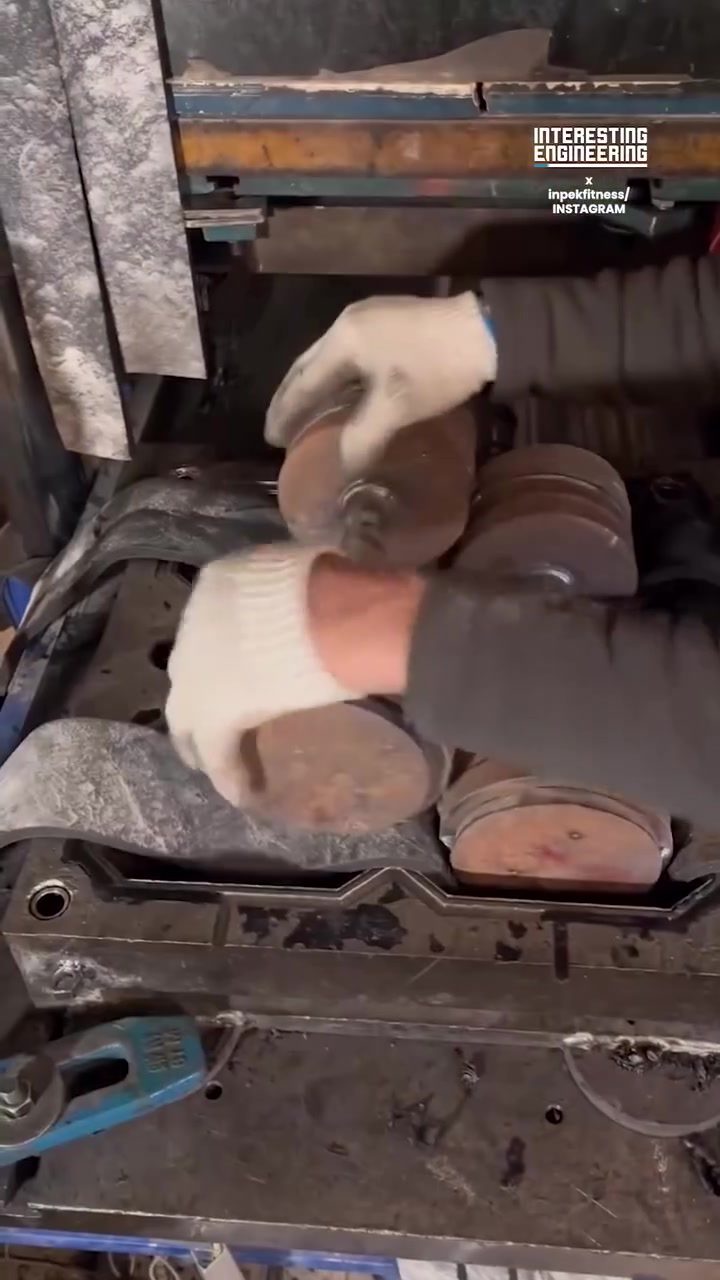
A hydraulic press is a powerful tool used in various industrial applications, from molding to forging to cutting. These machines leverage the principles of fluid mechanics to generate immense compressive force, making them indispensable in manufacturing processes.
Why This Matters
Understanding how a hydraulic press works and its applications can provide valuable insights into modern manufacturing techniques. Knowing the process of transforming old dumbbells into new, rubber-coated ones highlights the versatility and efficiency of these machines. This process not only saves raw materials but also reduces waste, contributing to more sustainable manufacturing practices.
The Hydraulic Press in Action
The Basic Principles
Hydraulic presses operate on Pascal's principle, which states that pressure applied to a confined fluid is transmitted uniformly in all directions. This principle allows hydraulic presses to generate immense forces with relatively small inputs of energy. The machine consists of a hydraulic cylinder, a platen, and a hydraulic pump. The hydraulic fluid, usually oil, is pressurized by the pump and transmitted to the cylinder, which in turn exerts a force on the platen. This force is used to compress, mold, or cut materials.
The Molding Process
In the demonstrated process, metal dumbbell cores are placed into heated molds. Once the cores are in place, they are covered with raw rubber sheets. The hydraulic press then compresses the assembly under high pressure, which not only molds the rubber around the metal core but also cures it, creating a durable, rubber-coated dumbbell. The heat and pressure of the hydraulic press facilitate the chemical reaction that cures the rubber, ensuring a strong bond between the rubber and the metal core. This process effectively gives old dumbbells a new lease on life, making them as good as new.
Applications Beyond Dumbbells
While the demonstration uses dumbbells, the same principles apply to a wide range of industrial applications. Hydraulic presses are used to forge automotive components, mold plastics, and stamp sheet metal, among other tasks. Their ability to generate high forces with precision makes them ideal for manufacturing processes that require consistency and durability.
Types of Hydraulic Presses
There are several types of hydraulic presses, each designed for specific applications:
- C-Frame Presses: These are generally used for lighter-duty tasks such as punching, bending, and light forming. They are called C-frame presses because of their distinctive C-shaped frame.
- H-Frame Presses: These are more robust and are used for heavy-duty tasks like deep drawing, forging, and other high-force applications. They get their name from their H-shaped frame.
- Four-Post Presses: These are specialized presses used for heavy-duty tasks that require precise alignment and high force. They are often used in forging and die-casting applications.
Practical Tips
Choosing the Right Hydraulic Press
Selecting the right hydraulic press depends on the specific needs of the application. Factors to consider include the required force, the type of material being processed, and the precision needed. For example, a C-frame press might be suitable for lighter tasks, while an H-frame or four-post press would be better for heavier, more precise work.
Maintenance and Safety
Regular maintenance is crucial for the longevity and efficiency of a hydraulic press. This includes checking the hydraulic fluid levels, inspecting the seals and hoses for wear, and ensuring that the machine is properly lubricated. Safety is also paramount. Always use appropriate personal protective equipment (PPE) and follow the manufacturer's guidelines for safe operation.
Optimizing the Process
To optimize the hydraulic pressing process, consider the following tips:
- Preheat Materials: Preheating the materials can improve the molding and curing process, ensuring a stronger bond.
- Consistent Pressure: Maintain consistent pressure during the molding process to ensure uniformity in the final product.
- Proper Ventilation: Ensure proper ventilation to dissipate heat and fumes generated during the process.
Important Takeaways
Efficiency and Versatility
Hydraulic presses offer unmatched efficiency and versatility in industrial applications. They can handle a wide range of materials and tasks, from molding plastics to forging metals, making them a cornerstone of modern manufacturing.
Sustainability
The ability to refurbish old items, like dumbbells, into new, usable products showcases the sustainability benefits of hydraulic presses. This not only reduces waste but also saves on raw materials, contributing to more eco-friendly manufacturing practices.
Precision and Reliability
The precision and reliability of hydraulic presses ensure consistent results, which is crucial in manufacturing processes where quality control is paramount. This reliability makes hydraulic presses a dependable choice for high-stakes industrial applications.
Conclusion
Hydraulic presses are not just powerful tools; they are essential components in modern manufacturing. Their ability to generate immense force with precision and efficiency makes them invaluable in various industrial applications. Whether you're molding rubber around dumbbells or forging automotive parts, understanding the principles and applications of hydraulic presses can greatly enhance your manufacturing capabilities.
Watch the Reel
Questions readers ask
How does a hydraulic press work in the context of revamping old dumbbells?
A hydraulic press uses fluid pressure to generate significant force. When applied to old dumbbells, this force reshapes the metal, allowing for the removal of any damage or wear. The process then involves coating the reshaped metal with a durable rubber, transforming the old dumbbells into new, high-quality fitness equipment.
What are the benefits of recycling old dumbbells using a hydraulic press?
Recycling old dumbbells with a hydraulic press offers several benefits. It reduces waste by giving new life to old equipment, conserves raw materials, and promotes sustainable manufacturing. Additionally, it ensures that the repurposed dumbbells are durable and safe for use, contributing to the longevity of fitness equipment.
Can a hydraulic press be used for other fitness equipment besides dumbbells?
Yes, a hydraulic press is incredibly versatile and can be used to revitalize other types of fitness equipment. Its ability to apply immense compressive force makes it suitable for resurfacing and reshaping various metal components, such as barbells, weight plates, and other gym equipment, making it a valuable tool in maintaining and upgrading fitness facilities.
What are the key steps in the process of revitalizing old dumbbells with a hydraulic press?
The key steps involve first disassembling the old dumbbells, if necessary, and then placing the metal parts into the hydraulic press. The press applies high pressure to reshape the metal, removing any imperfections or damage. After reshaping, the metal is coated with a durable rubber to enhance grip and safety, resulting in a new, high-quality dumbbell.
How does using a hydraulic press for dumbbell remanufacturing contribute to sustainability?
Using a hydraulic press for dumbbell remanufacturing contributes to sustainability by reducing the need for new raw materials and minimizing waste. By revamping old dumbbells, the process helps to conserve resources and lower the environmental impact of manufacturing, making it a more eco-friendly approach to maintaining fitness equipment.
What maintenance tips can ensure the longevity of revived dumbbells?
To ensure the longevity of revived dumbbells, it's important to store them properly to avoid moisture and extreme temperatures. Regularly inspecting the rubber coating for wear and tear, and cleaning the dumbbells after use can also help maintain their durability. Additionally, avoiding dropping or mishandling the dumbbells will prevent new damage and extend their lifespan.
Are there any limitations to using a hydraulic press for dumbbell recycling?
While a hydraulic press is highly effective, there are some limitations. Severely damaged or corroded dumbbells may not be suitable for recycling due to the extent of the damage. Additionally, the process requires specialized equipment and expertise, which can be a barrier for some facilities. However, for many old dumbbells, the hydraulic press offers a reliable method of revamping and repurposing.
Recent articles
Fresh deep dives from the latest Reels we unpacked.




Comments
Be the first to comment.