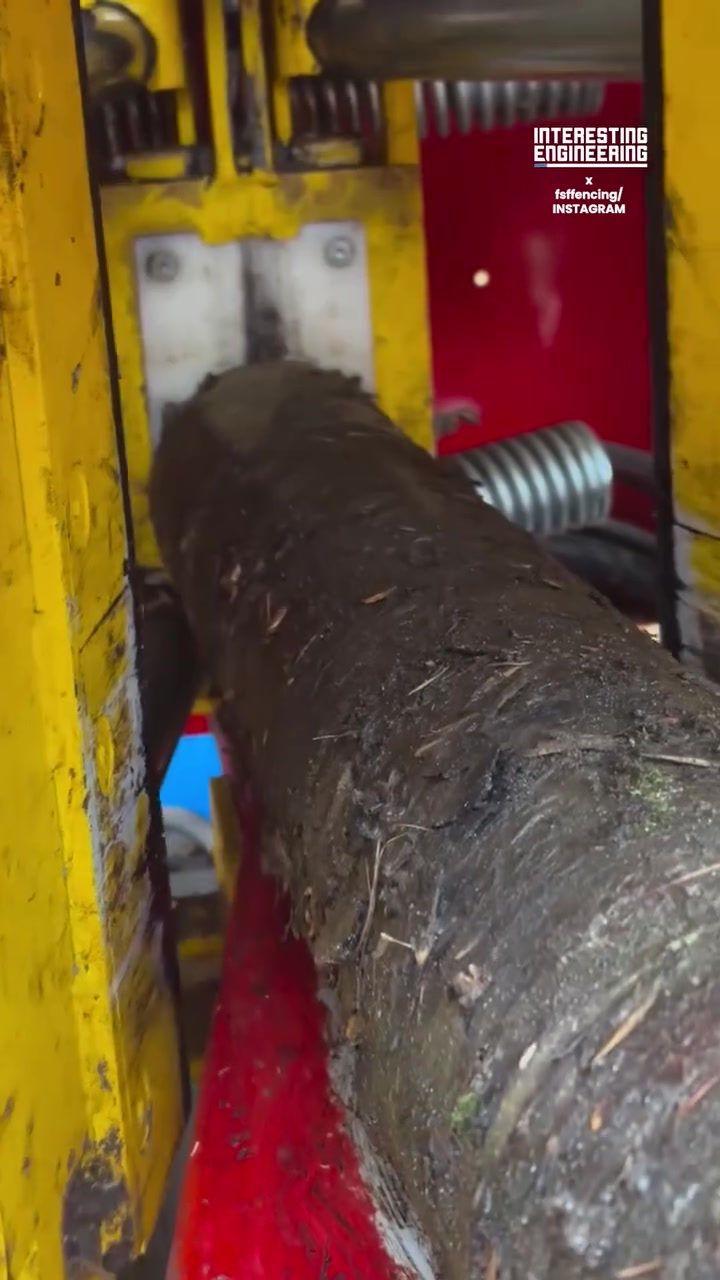
Industrial Wood Processing
The process of transforming large logs into smaller, usable pieces is a cornerstone of industrial wood processing. This process is typically achieved using hydraulic log splitters and wood chippers. Hydraulic log splitters rely on pressurized force to split wood efficiently, while wood chippers shred logs into smaller pieces.
Why this Matters
Efficient wood processing has significant implications for various industries, including construction, landscaping, and energy production. Log splitters and wood chippers are essential equipment for converting raw timber into manageable and usable materials. Whether for firewood, mulch, or other applications, understanding the mechanics of these machines can enhance productivity and resource management.
Hydraulic Log Splitters
How They Work
A hydraulic log splitter is a powerful machine designed to split wood efficiently. Here's a detailed look at how these machines operate:
- Force Application: The core mechanism involves a hydraulic system that exerts strong, controlled pressure. This pressure is directed through a steel wedge that forces the log to split along its grain. This method ensures a clean and efficient split, minimizing waste and ensuring the wood is usable for its intended purpose.
- Pressure and Force: The application of hydraulic pressure allows for the log to be split with minimal effort. The pressure is applied uniformly, which ensures the log splits evenly and cleanly, making the process both efficient and safe.
Key Points
- Efficiency: Hydraulic log splitters are known for their efficiency. They can quickly and cleanly split large logs into smaller, manageable pieces, making them ideal for both small-scale and large-scale wood processing needs.
- Safety: The controlled application of force reduces the risk of accidents. The machine's design ensures that the operator is safe from flying debris and other potential hazards.
Wood Chippers
Mechanism and Function
Wood chippers, like log splitters, are essential for efficient wood processing. These machines are designed to convert large logs into smaller wood chips or mulch.
- Blade Action: The chipping process involves feeding the log into the machine, where it's met by powerful blades. These blades rotate at high speeds, shredding the wood into smaller, uniform pieces.
- Versatility: Wood chippers are incredibly versatile. They can handle a variety of wood types and thicknesses, making them suitable for different applications, from landscaping to biomass production.
Key Points
- Efficiency: Wood chippers are designed for high efficiency. They can process large volumes of wood quickly, making them ideal for both residential and industrial use.
- Applications: The resulting wood chips or mulch can be used in various ways. For instance, they can be used as mulch in gardening, composted, or used as fuel in biomass energy plants.
Practical Tips
Safety Precautions
- Personal Protective Equipment (PPE): Always wear appropriate PPE, including safety glasses, gloves, and ear protection. This will protect you from flying debris and noise.
- Machine Maintenance: Regularly maintain your wood processing equipment. This includes checking hydraulic systems, blades, and other critical components to ensure they are in good working order.
- Operator Training: Ensure that operators are well-trained in the use of log splitters and wood chippers. Proper training can prevent accidents and enhance the efficiency of the equipment.
Maintenance Tips
- Blade Sharpness: Regularly check and sharpen the blades of your wood chippers. Dull blades can reduce efficiency and increase the risk of accidents.
- Hydraulic System Maintenance: For log splitters, ensure the hydraulic system is well-maintained. This includes checking for leaks, topping up fluids, and ensuring all components are in working order.
Important Takeaways
Industrial wood processing equipment, such as hydraulic log splitters and wood chippers, plays a crucial role in converting raw timber into usable materials. These machines are designed for efficiency and safety, making them essential for various industries. Understanding their mechanisms and proper use can significantly enhance productivity and resource management.
- Efficiency: Both log splitters and wood chippers are designed for high efficiency, allowing for quick and clean processing of wood.
- Safety: Proper use and maintenance of these machines are essential for ensuring safety during operation.
- Versatility: The resulting products, whether firewood, mulch, or biomass, have a wide range of applications, making these machines valuable for various industries.
Conclusion
Efficient industrial wood processing is vital for many sectors, from construction to energy production. Hydraulic log splitters and wood chippers are integral to this process, offering clean, efficient, and safe methods for converting raw timber into usable materials. By understanding and properly utilizing these machines, you can enhance productivity and resource management, ensuring a steady supply of high-quality wood products.
Watch the Reel
Questions readers ask
How does a hydraulic log splitter work to split large logs?
A hydraulic log splitter uses a hydraulic system to generate and apply intense pressure to a log. The system typically consists of a motor, hydraulic fluid, and a cylinder. When the motor is activated, it pumps fluid into the cylinder, which in turn drives a blade or wedge into the log, splitting it efficiently.
What are the primary uses of a hydraulic log splitter in construction and landscaping?
In construction, a hydraulic log splitter is used to process timber for various building materials, such as beams, posts, and decorative elements. In landscaping, it helps convert logs into mulch, firewood, or other materials for landscaping projects, enhancing both productivity and resource management.
What types of industries can benefit from using a log splitter?
Industries that rely on processed wood, such as construction for building materials, landscaping for decorative elements, and energy production for fuels, benefit significantly from log splitters. They facilitate the efficient conversion of raw timber into usable forms, improving productivity and resource management.
What are the advantages of using a hydraulic log splitter for splitting large logs?
A hydraulic log splitter provides powerful, clean, and safe wood splitting, reducing the need for manual labor. It can handle large logs easily, making it ideal for both commercial and residential use, whether for creating firewood, construction materials, or landscaping elements.
How do you maintain a log splitter to ensure its efficiency and longevity?
Regular maintenance of a log splitter includes checking and replacing hydraulic fluid, inspecting the hydraulic system for leaks, and ensuring the blade or wedge is sharp and well-lubricated. Additionally, storing the machine properly and conducting routine inspections can extend its lifespan and efficiency.
What factors should I consider when choosing the best log splitter for home use?
When selecting a log splitter for home use, consider the size of the logs you intend to split, the power and capacity of the machine, and its ease of use. Also, evaluate the safety features, maintenance requirements, and overall durability to ensure it meets your specific needs.
Recent articles
Fresh deep dives from the latest Reels we unpacked.




Comments
Be the first to comment.