Animal Hydration
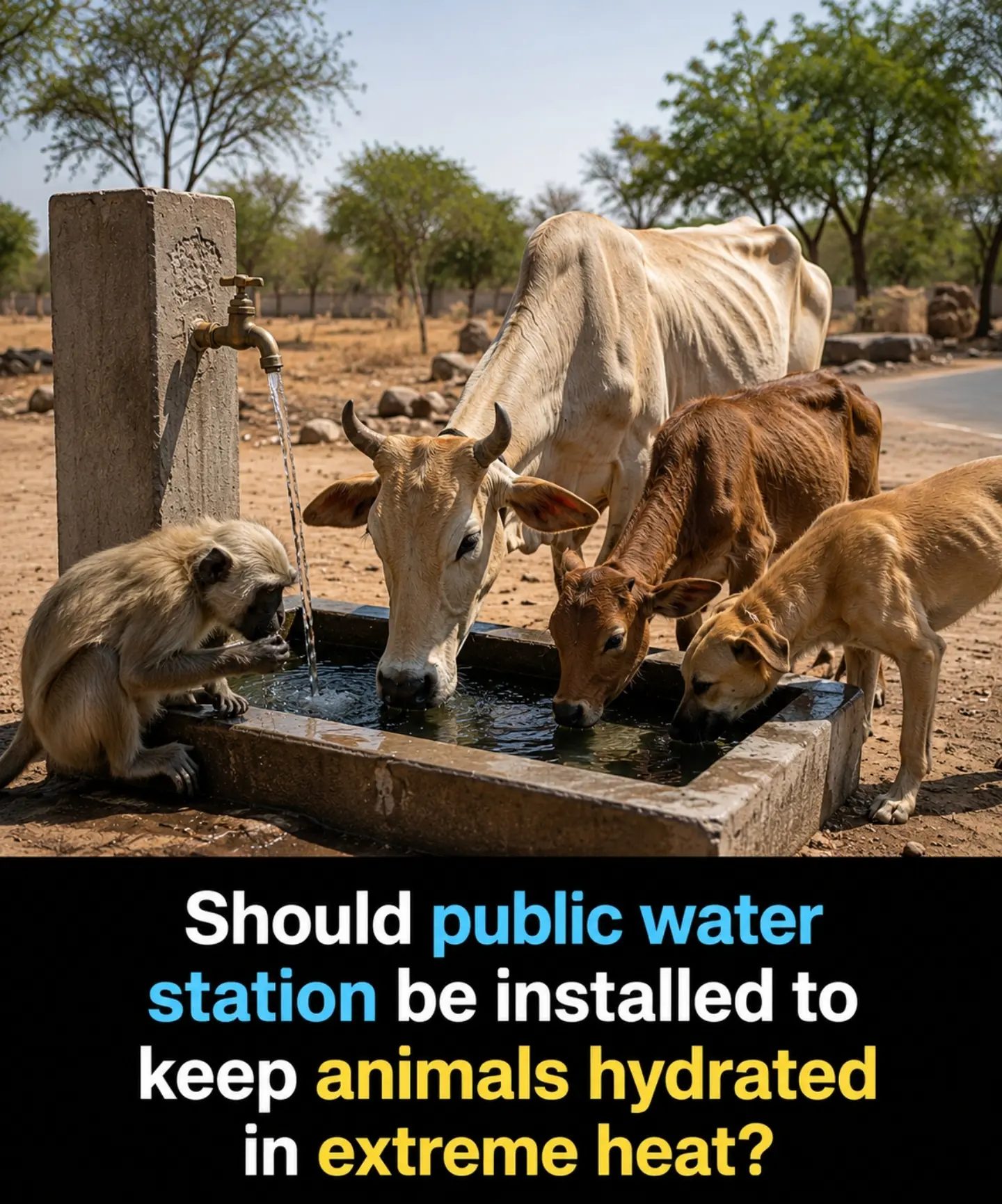
Extreme heat can pose significant risks to animal health, particularly in dry and dusty environments. Ensuring that animals have access to clean, fresh water is crucial for their well-being, especially during heatwaves. Public water stations can play a vital role in keeping animals hydrated in such conditions.
Why This Matters
Animals, like humans, are vulnerable to the effects of extreme heat. Proper hydration is essential for their physiological functions, and dehydration can lead to serious health issues. Public water stations provide a reliable source of water, helping animals stay cool and hydrated. This is particularly important in areas where natural water sources may be scarce or contaminated.
The Importance of Public Water Stations
Public water stations are designed to provide a consistent supply of fresh water in areas where natural water sources may be insufficient. These stations are particularly useful in arid regions and during periods of drought, when animals struggle to find adequate water.
Benefits for Wildlife
Wildlife, including monkeys, cows, and other animals, benefit significantly from public water stations. In areas with extreme heat, these stations can be lifesavers, preventing dehydration and heatstroke. By providing a reliable water source, public water stations help maintain healthy ecosystems and support biodiversity.
Benefits for Livestock
Livestock, such as cows, also rely on public water stations to stay hydrated. In agricultural settings, ensuring that livestock have access to clean water can improve their health and productivity. This is especially important during hot summer months when water demand is high.
Practical Tips for Installing Public Water Stations
Installing public water stations requires careful planning and consideration. Here are some practical tips to help ensure the effectiveness of these stations:
Choose Strategic Locations
Select locations where animals are likely to congregate, such as near grazing areas, watering holes, or migratory paths. Place the stations in areas that are easily accessible and visible to the animals.
Maintain Regularly
Regular maintenance is crucial to ensure that the water stations remain functional. Check the stations regularly for any signs of damage or contamination and clean them to prevent the spread of diseases. Regular cleaning and maintenance of the water source helps to prevent the accumulation of algae and bacteria.
Ensure Water Quality
The water supplied should be clean and free from contaminants. Regularly test the water quality and monitor for any signs of pollution. If necessary, install filtration systems to ensure that the water remains safe for consumption.
Important Takeaways
Installing public water stations to keep animals hydrated during extreme heat is a practical and effective solution. This initiative supports wildlife conservation, livestock health, and overall ecosystem balance.
Conclusion
Ensuring that animals have access to clean water is a critical aspect of animal welfare, especially in extreme heat conditions. Public water stations provide a reliable source of hydration, benefiting both wildlife and livestock. By installing and maintaining these stations, we can help mitigate the risks associated with extreme heat and promote the health and well-being of animals.
Watch the Reel
Questions readers ask
What are public water stations for animals and why are they important?
Public water stations for animals are designated areas that provide clean, fresh water to wildlife and livestock. They are important because they help prevent dehydration, especially in extreme heat or drought conditions where natural water sources may be scarce or unsafe. These stations support animal well-being and can be crucial for their survival in harsh environments.
How do public water stations help during heatwaves?
During heatwaves, public water stations offer animals a reliable source of hydration. This is vital for maintaining their body functions and preventing heat-related illnesses. By providing easy access to cool water, these stations help animals regulate their body temperature and stay healthy.
Who benefits from animal hydration stations?
Both wildlife and livestock benefit from animal hydration stations. Wildlife, such as birds, mammals, and reptiles, rely on these stations for drinking water and sometimes for bathing. Livestock, like cattle and horses, also depend on these water sources to stay hydrated, especially in arid regions where natural water sources are limited.
What are some places where water stations for animals in heat are crucial?
Water stations for animals in heat are crucial in arid regions, deserts, and areas experiencing droughts. They are also important in urban environments where natural water sources may be limited or contaminated. Additionally, these stations are beneficial in areas prone to wildfires, where water sources can be destroyed or polluted.
How can I find public water stations for animals near me?
To find public water stations for animals near you, check with local wildlife conservation groups, agricultural departments, or environmental agencies. They often maintain lists of water stations and may provide maps or guides. Additionally, community websites and online forums can be useful resources for locating these stations.
What can I do to support public water stations for animals?
To support public water stations for animals, you can volunteer to maintain and refill water stations in your community. Donating to local organizations that run these stations, or even installing a water station on your property, can also make a significant difference. Raising awareness about the importance of these stations can encourage others to contribute as well.
How do public water stations help during droughts?
During droughts, public water stations help animals by providing a consistent source of clean water when natural sources may be dried up or contaminated. This is particularly important for wildlife that may not have access to other water sources, as well as for livestock that depend on these stations for their daily water needs.
Related deep dives
Similar reads based on topic and creator.

Recent articles
Fresh deep dives from the latest Reels we unpacked.




Comments
Be the first to comment.