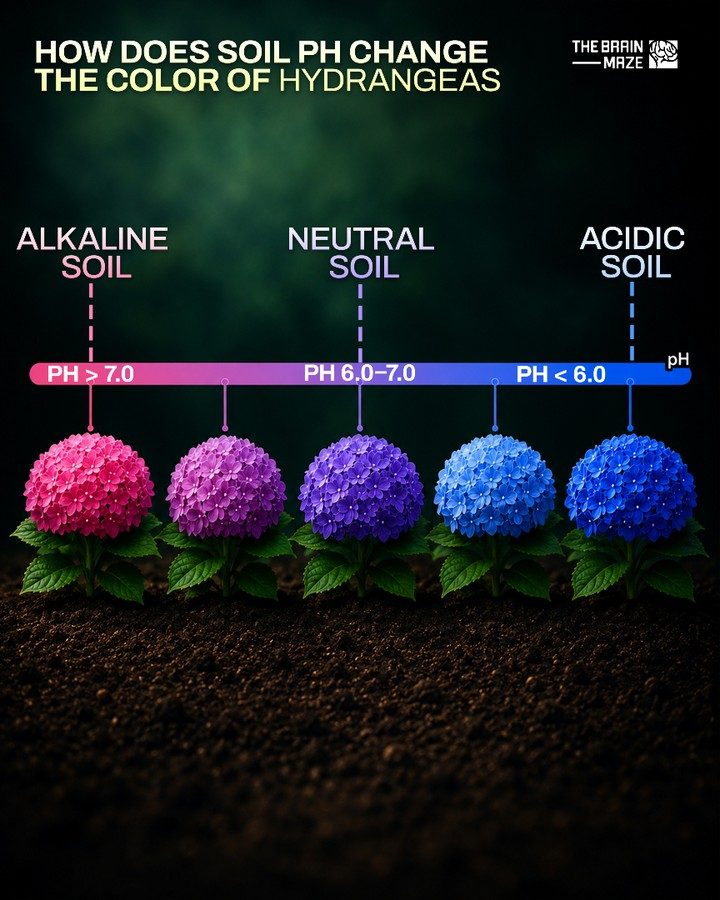
Hydrangea Color Change
Hydrangeas are a unique species that change color based on soil pH. This phenomenon makes them an excellent natural indicator of soil chemistry. Understanding how to manipulate the soil pH can help gardeners achieve the desired flower color in their hydrangeas.
Why This Matters
Hydrangeas are popular ornamental plants, known for their large, showy clusters of flowers. Their ability to change color adds an extra layer of interest for gardeners. By understanding the factors that influence this color change, gardeners can better control the hue of their hydrangea blooms, enhancing the aesthetic appeal of their gardens.
Hydrangea Color and Soil pH
Hydrangeas absorb aluminum from the soil, and the amount of aluminum they absorb is directly related to the soil's pH level. Here's how soil pH affects hydrangea color:
- Alkaline Soil (pH above 7.0): In alkaline soil, aluminum becomes less available to the plant. This results in vibrant pink blossoms.
- Neutral Soil (pH 6.0-7.0): In neutral soil conditions, hydrangeas often produce flowers that are a mix of blue and pink, resulting in a lovely purple hue.
- Acidic Soil (pH below 6.0): In acidic soil, hydrangeas absorb more aluminum, which produces beautiful blue blooms.
The Role of Aluminum
Aluminum plays a crucial role in determining the color of hydrangea flowers. In acidic soils, aluminum is more soluble and readily available for the plant to absorb. This increased uptake of aluminum leads to the production of blue pigments in the flowers. Conversely, in alkaline soils, aluminum becomes less soluble and less available, resulting in pink flowers.
Soil pH and Hydrangea Color
The pH scale measures the acidity or alkalinity of a substance. For hydrangeas, the pH level of the soil directly influences the color of the flowers. Here's a breakdown of how different pH levels affect hydrangea color:
- pH below 6.0 (Acidic Soil): Hydrangeas will have blue flowers.
- pH 6.0-7.0 (Neutral Soil): Hydrangeas will have purple flowers.
- pH above 7.0 (Alkaline Soil): Hydrangeas will have pink flowers.
Testing and Adjusting Soil pH
To achieve the desired color in your hydrangea blooms, you may need to test and adjust your soil pH. Soil test kits are widely available and can help you determine the current pH level of your soil. Once you know the pH, you can make adjustments to achieve the color you want.
- Making Soil More Acidic (for blue flowers): If your soil is too alkaline, you can add sulfur or acidic compost to lower the pH. You can also use aluminum sulfate, which not only lowers the pH but also increases the availability of aluminum.
- Making Soil More Alkaline (for pink flowers): If your soil is too acidic, you can add lime to raise the pH. Wood ash can also be used to increase alkalinity.
- Maintaining Neutral Soil (for purple flowers): To keep your soil neutral, you may need to balance the addition of acidic and alkaline materials. Regular monitoring and adjustments will be necessary.
Practical Tips
- Soil Testing: Regularly test your soil pH to ensure it remains within the desired range for your hydrangeas.
- Mulching: Use organic mulch to help maintain consistent soil moisture and pH levels.
- Fertilizing: Choose a fertilizer that is suitable for hydrangeas and does not significantly alter the soil pH.
- Watering: Consistent watering helps maintain soil pH levels and ensures that nutrients are readily available to the plant.
Important Takeaways
- Hydrangeas naturally change color based on soil pH.
- Aluminum availability in the soil determines the color of hydrangea flowers.
- Testing and adjusting soil pH can help gardeners achieve the desired flower color.
- Regular soil testing and maintenance are key to keeping hydrangeas healthy and vibrant.
Conclusion
Hydrangeas offer a fascinating example of how plants can respond to their environment. By understanding the relationship between soil pH and hydrangea color, gardeners can create stunning displays of blue, purple, or pink blooms. With a little bit of knowledge and effort, you can manipulate the soil chemistry to achieve the perfect hydrangea color in your garden.
Watch the Reel
Questions readers ask
Why do hydrangeas change color?
Hydrangeas change color due to the pH level of the soil. The pH level affects the plant's ability to absorb certain nutrients, such as aluminum, which in turn influences the color of the blooms.
How can I make my hydrangeas turn blue?
To encourage blue hydrangea blooms, lower the soil pH to 5.0 to 5.5. This can be achieved by adding acidic soil amendments, such as sulfur, coffee grounds, or pine needles, to the soil.
What soil pH is needed for pink hydrangeas?
For pink hydrangea flowers, maintain a soil pH between 6.0 and 6.5. Adding lime or other alkaline substances to the soil can help raise the pH to the desired level.
Can all hydrangea varieties change color?
Not all hydrangea varieties are affected by soil pH in the same way. The color-changing phenomenon primarily applies to bigleaf hydrangeas (Hydrangea macrophylla). Other varieties, like oakleaf and panicle hydrangeas, do not change color based on soil pH.
How long does it take for hydrangeas to change color after adjusting soil pH?
Changes in hydrangea flower color may not be immediate. It can take several months to a full growing season to see the effects of adjusting the soil pH. Regular soil testing and adjustments may be necessary to achieve the desired color.
Are there other factors besides soil pH that affect hydrangea color?
While soil pH is a primary factor, other elements such as soil moisture, sunlight and the presence of certain nutrients can also influence hydrangea color. Ensuring proper care and maintenance of hydrangeas can enhance their overall health and vibrancy.
Recent articles
Fresh deep dives from the latest Reels we unpacked.




Comments
Be the first to comment.