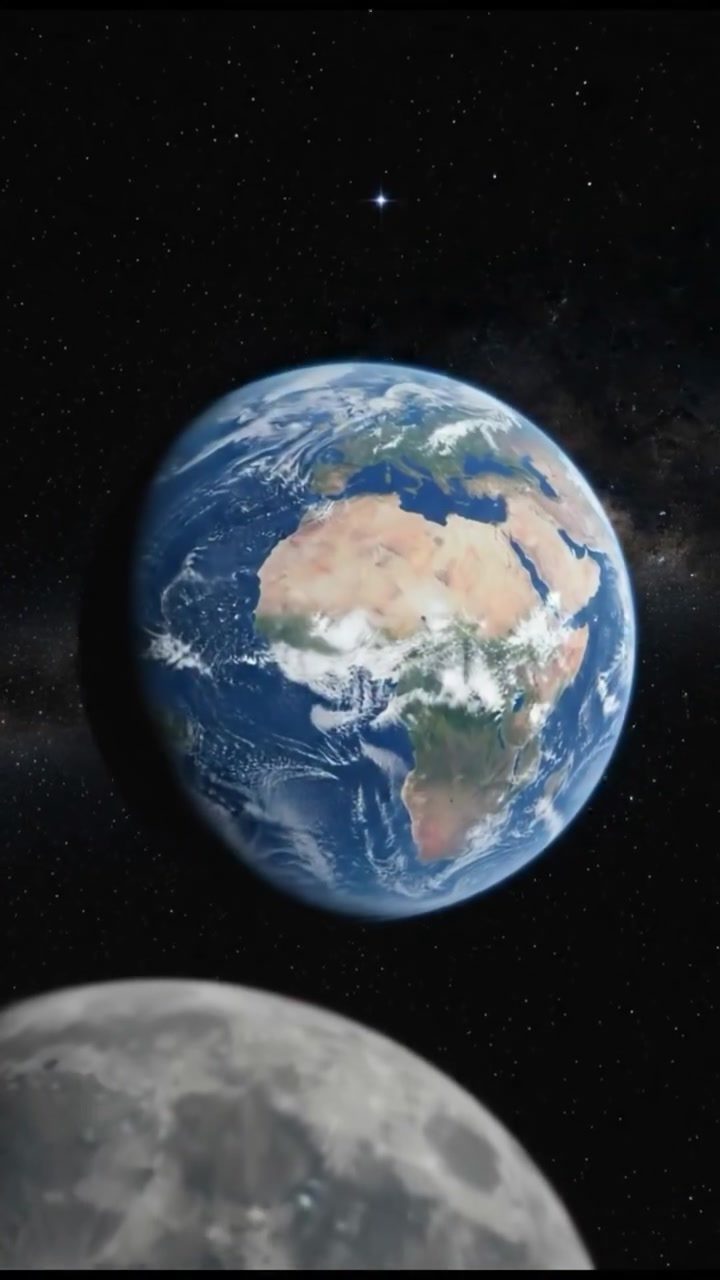
Our Fragile Planet
Earth's fragility is on stark display. It’s a planet defined by its unpredictability, where weather systems can shift from serene to catastrophic with little warning. It is also a planet grappled by the consequences of both natural events and human intervention. Our ability to manage and predict these volatile conditions is a testament to both our technological prowess and its limitations. At any given moment, a dozen weather events and an equal number of ecological crises could be unfolding anywhere on the globe. Lowell poses an immediate threat. The Category 3 storm has 115 mile per hour winds, with rain already lashing cities including a 50-mile-wide area in Kauai. The storm has received more attention than usual, since it has crashed into the safety threshold that has held true for major storms in Hawaii: for now, its progress and power haven't disrupted global weather patterns. The current damage, however, is substantial.
Same Planet, Different Systems
Events unfolding thousands of miles apart are linked in a delicate tapestry of global weather. For example, Ash spewing from the Anak Krakatau volcano in Indonesia has shut down seven Indonesian airports. Neither the eruption nor the ashfall is an isolated incident of localized interference. The event is replete with long-range consequences for airports across Indonesia, with canceled flights and disruption to both travel and trade. The floods in Nepal have claimed hundreds of missing workers. In Southeast Asia, precipitation triggered landslides and evacuations. These geophysical processes illustrate the interconnectedness of Earth systems — where what happens in one region can ripple across continents. In Japan, heavy rain is causing floods, evacuations, and landslide warnings. This heavy rainfall and resulting floods represent another facet of Earth’s dynamic weather patterns. Japan is no stranger to severe rainfall and the problems it causes, but the force and timing of these events can vary widely. The country is not just a frequent victim of these events; it’s also a leading center of research for weather prediction and mitigation.
Geology Under Stress
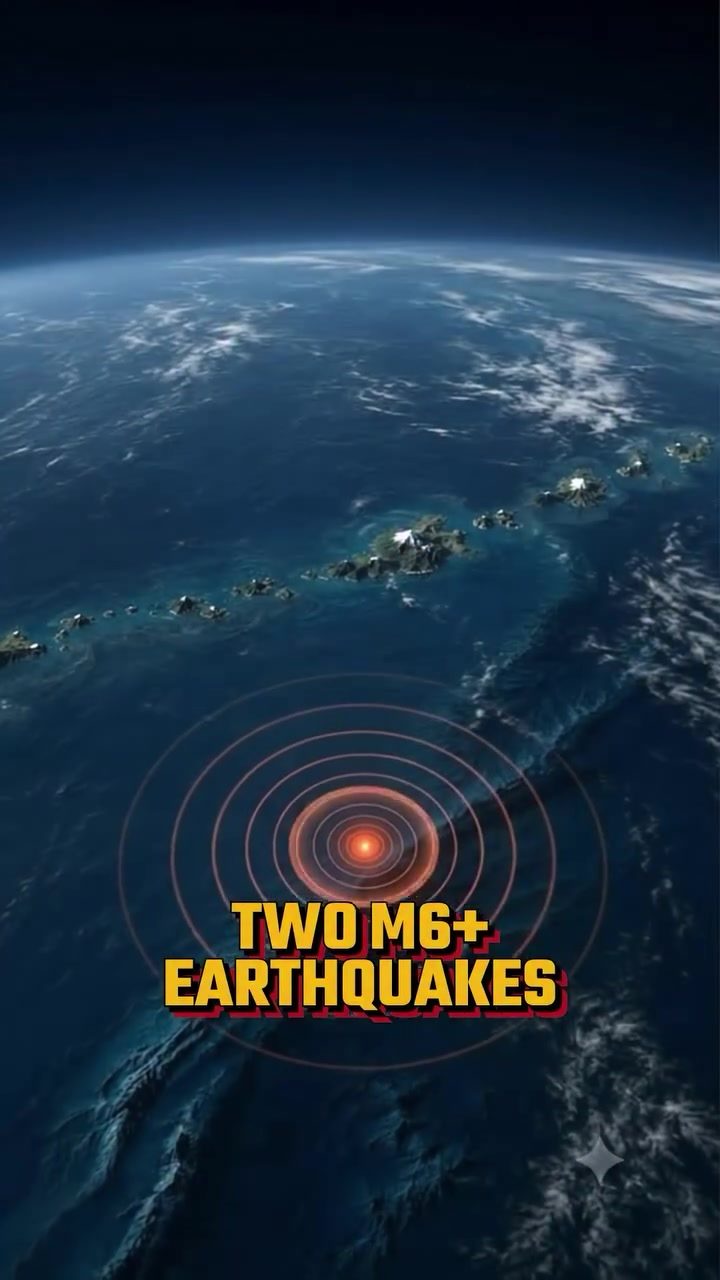
Vulcanologists watch for the potential increase in magma pressure or unusual seismic activity as an indicator of increased risk. This is not only a result of Hawaiian earthquakes; it is also the result of South Pacific tectonic pressure. The danger of ash clouds is well-documented, but the environmental cost of volcanic activity on an archipelago like Indonesia is often swept aside. Big time. Ashfall can alter the local microclimate, interfering with agriculture and tourism. The disruption to air travel impacts not only transportation but also the global supply chain, with trickle-down effects on economies worldwide. This interconnectedness of these events shows that the world of geography is not just a static map of continents, but a delicate system, each element integral to the whole.
Unseen Connections
Different systems, same planet. The weather on one continent can influence conditions elsewhere. Air quality in Malaysia has improved, allowing the lifting of a haze emergency. This improvement is a testament to efforts to reduce pollution and monitor air quality. Air quality is a critical indicator of overall health, both for humans and the planet. The complex interplay of weather systems and human activity highlights the intricate dance of natural and man-made forces.
Watch the Reel
Related deep dives
Similar reads based on topic and creator.
Recent articles
Fresh deep dives from the latest Reels we unpacked.

Comments
Be the first to comment.