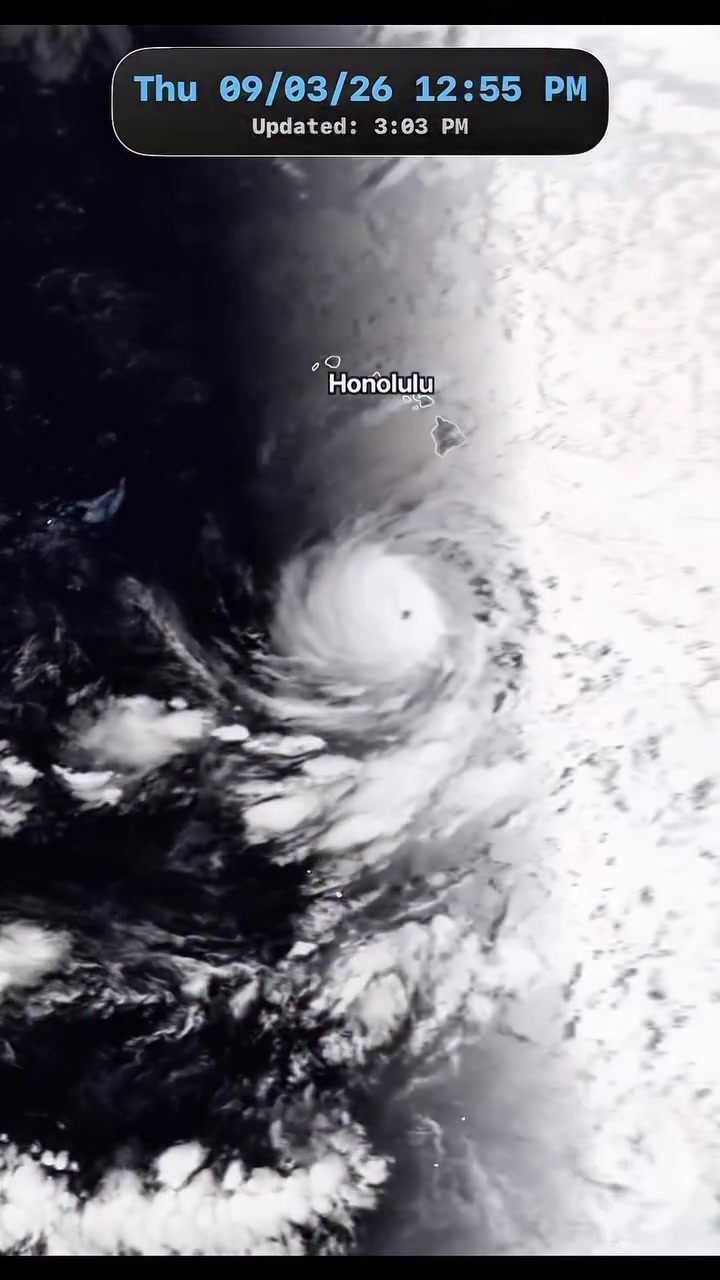
The Central Pacific's First Major Storm in Five Years
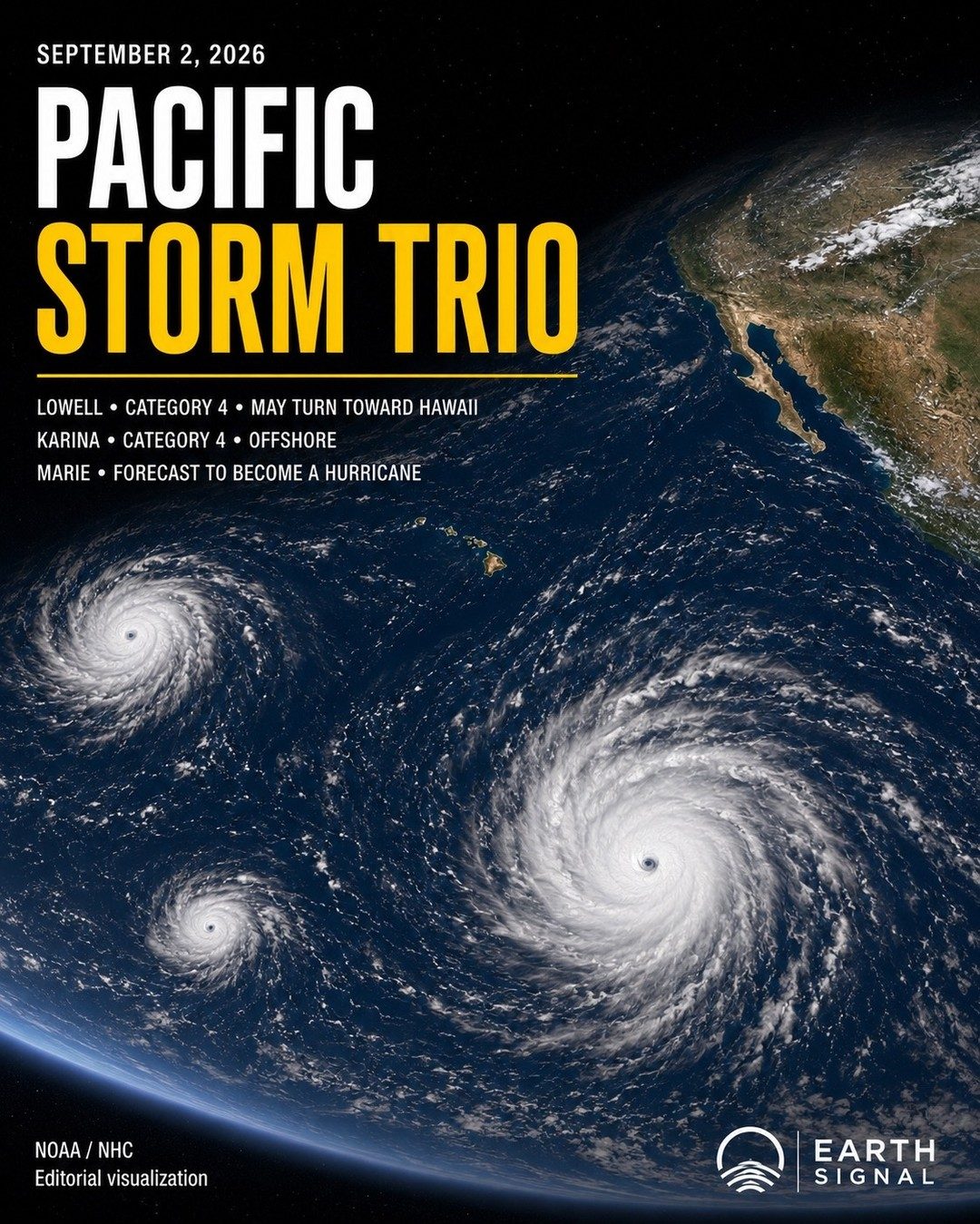
Hurricane Lowell surpassed expectations on Wednesday and took a place in weather history. Its wind speeds climbed to an astonishing 160 miles per hour, making it the first category five storm in the central Pacific since 2018. Notable is the first storm this strong in the central Pacific since 2018. The comparative rarity of such powerful storms stands out. Lowell has already weakened to category four intensity. NASA defines Category four storms as those with windspeeds of at least 130 miles per hour. However, storm patterns in the Pacific are tricky, forecasters report. Wind speed isn't the only measurement of a storm's strength, though. A storm's impact also depends on patterns of wind flow, incoming atmospheric moisture, and changes in direction.
Dramatic Ups and Downs
Despite its decline in strength, Lowell may regain power. The storm has not spent its energy yet, warn forecasters. It has “eased to category four strength,” not dissipated. A storm's weakening can make it less organized, but that's also a signal to prepare for unexpected volatility. The natural swirling action of hurricanes is also a sign of potential danger. This ease to category four strength could precede a dramatic upswing.
Projected Path Changes
A sharp turn north by Sunday can bring Lowell dangerously close to Hawaii. This would be an inflection in its current path. The window to prepare is closing. The need for urgent preparation is clear. There's more than one threat to consider during a hurricane -- water levels, rainfall, and floods, as much as it is wind speed. The storm's potential to change course to the north highlights the need for both vigilance and the necessity of accurate forecasting.
Uncertainty and Vigilance
Weather prediction is not an exact science. Even with advanced modeling tools, there's no telling when a storm will intensify. Uncertainties often surround paths and weakening or strengthening. They must respond to changes in trajectory. The feedback loop between the storm's current state and expectations for future development is real-time but not precise. Hurricane behavior is not always bounded strictly in wind-speed terms.
Watch the Reel
Related deep dives
Similar reads based on topic and creator.




Recent articles
Fresh deep dives from the latest Reels we unpacked.
Comments
Be the first to comment.