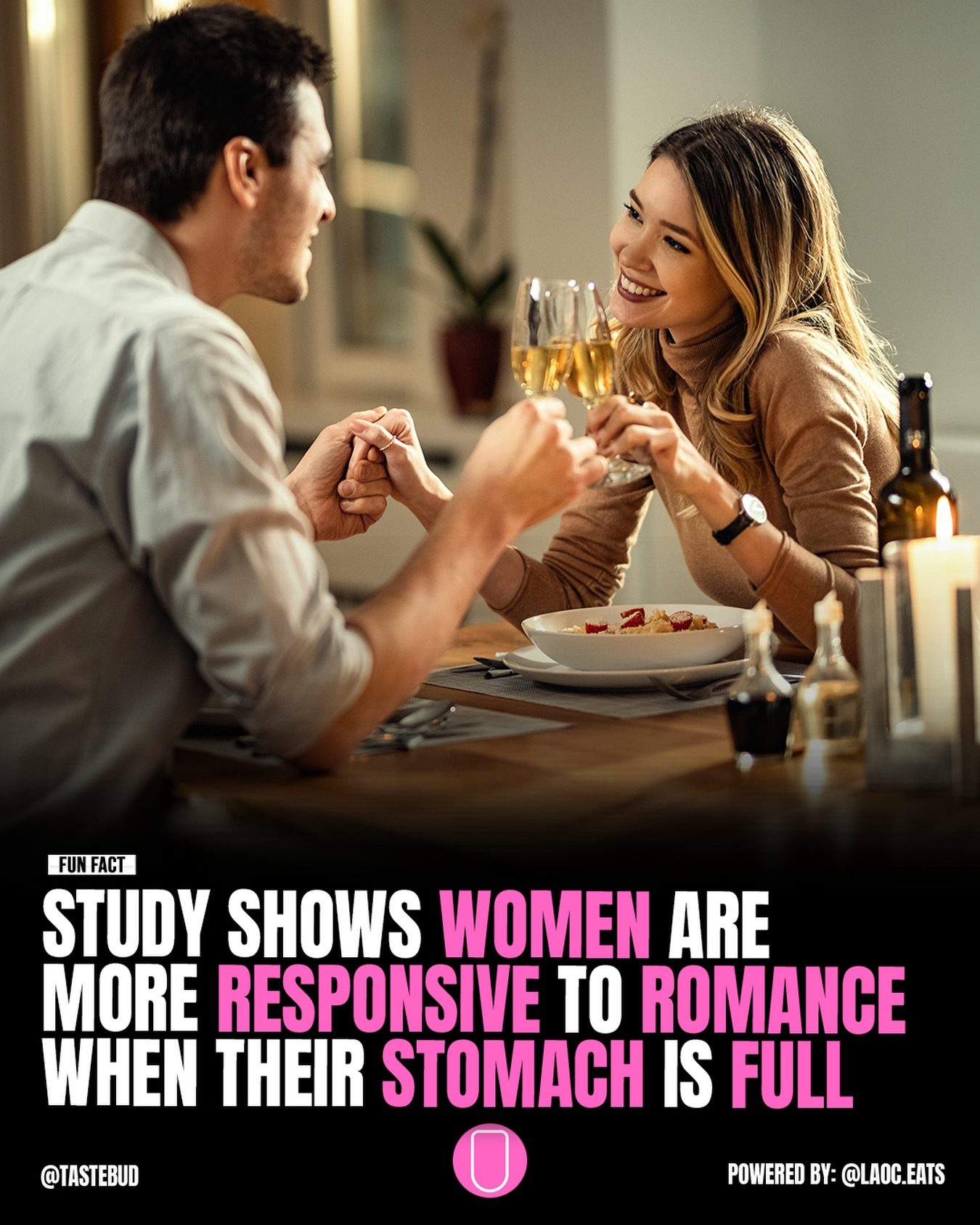
Romantic Dinner & Food Psychology
A romantic dinner is often associated with the atmosphere, the decor, and the company. However, research shows that the emotional and social responses during such an occasion can also be influenced by something as fundamental as hunger. Far from merely veering into the territory of love and intimacy, the connection between a full stomach and romantic responsiveness suggests that the body and mind are delicately intertwined.
Why This Matters
The findings from a 2015 study published in the journal Appetite by researchers at Drexel University reveal a fascinating link between hunger and emotional responses. The study found that women exhibited stronger brain activation in reward-related areas when they were full, as opposed to when they were hungry. This heightened responsiveness to romantic images and stimuli underscores the profound influence of basic physiological states on emotional and social behaviors.
Understanding this connection can provide valuable insights for anyone looking to create meaningful and romantic experiences. Whether you're planning a special evening for someone or simply curious about the underpinnings of emotional well-being, exploring this connection between food and romance can be both enlightening and practical.
The Science Behind the Findings
Hunger and Brain Activation
The 2015 study from Drexel University observed that when women were satiated, their brains showed increased activity in regions associated with reward and pleasure. This activation is significant because it indicates that a full stomach not only satisfies physical hunger but also enhances the emotional and social experience.
The researchers noted that hunger satisfaction appeared to increase responsiveness to romantic images and stimuli. Essentially, being full might make individuals more receptive to romantic cues, fostering a more emotionally engaged state.
Physiological States and Emotional Responses
The findings suggest that basic physiological states, such as hunger, can influence how people respond emotionally and socially. This means that the body's state of hunger or satiation can alter the way individuals perceive and react to their environment, including romantic situations.
For example, when you're hungry, your body is focused on seeking nourishment, which might divert attention from other sensory experiences, including emotional and social cues. On the other hand, when you're full, your body is in a state of relaxation and satisfaction, which can make you more attuned to your surroundings and the people around you.
Implications for Romantic Settings
The study's implications extend beyond individual experiences, influencing how we design and enjoy romantic settings. For example, a romantic dinner might be more meaningful for women when they are satiated, as it allows them to be more emotionally responsive to the moment. This connection between food and romance can be particularly useful for couples looking to enhance their shared experiences.
Practical Tips
Planning a Romantic Dinner
If you're planning a romantic dinner, consider the timing and content of the meal. Serving a satisfying but not overly heavy meal can ensure that your partner is in a state of satiation, making them more receptive to the romantic ambiance.
Creating a Romantic Atmosphere
The atmosphere of a romantic dinner is crucial. Consider dim lighting, soft music, and a beautifully set table. The physical setting can amplify the emotional responsiveness, especially when combined with a satisfying meal.
Engaging in Meaningful Conversations
A full stomach can make individuals more open to engaging in meaningful conversations. Use this opportunity to discuss deeper topics, share memories, or plan future experiences together. The relaxed and content state can foster a more emotionally connected dialogue.
Incorporating Personal Touches
Personal touches, such as favorite dishes or special decorations, can make the dinner even more memorable. If you know your partner's favorite meal or dessert, incorporating it into the dinner can enhance the overall experience and create a sense of special treatment.
Important Takeaways
- Full stomachs enhance romantic responsiveness: Being satiated can increase emotional and social responsiveness, making romantic moments more meaningful.
- Physiological states impact emotional well-being: Basic physiological states, such as hunger, can influence how individuals perceive and react to their environment.
- Romantic settings benefit from a satisfying meal: A well-planned romantic dinner, with a satisfying meal, can create a more emotionally receptive atmosphere.
Conclusion
The connection between food and romance is a fascinating blend of science and emotion. Understanding how hunger and satiation influence emotional and social responsiveness can help create more meaningful and romantic experiences. Whether planning a special evening or simply curious about the interplay between the body and mind, these insights can enrich your understanding of the intricate relationship between food and emotions. As you continue to explore this connection, remember that the key to a successful romantic dinner is not just the setting or the company, but also the satisfaction of the basic physiological needs.
Watch the Reel
Questions readers ask
How does hunger affect emotional responsiveness, particularly in romantic situations?
Hunger can significantly alter emotional responsiveness. When hungry, individuals may experience a decrease in the brain's reward and pleasure centers, making it harder to fully enjoy and connect with romantic moments. Conversely, a full stomach can enhance these experiences by activating the brain's reward and pleasure centers, making you more receptive to emotional and romantic cues.
What did the 2015 Drexel University study reveal about hunger and emotional responses?
The 2015 Drexel University study published in the journal Appetite found that women showed stronger brain activation in reward-related areas when they were full, compared to when they were hungry. This suggests that a full stomach can enhance emotional and romantic experiences by making individuals more responsive to positive stimuli.
Can a full stomach enhance romantic experiences?
Yes, a full stomach can enhance romantic experiences. The body's satisfaction from being full activates the brain's reward and pleasure centers, which can make you more emotionally responsive. This heightened emotional state can amplify the enjoyment and connection experienced during romantic moments.
How does appetite influence romantic feelings?
Appetite plays a significant role in romantic feelings by affecting emotional responsiveness. When you are hungry, your emotional and romantic experiences may be dampened. Conversely, when your appetite is satisfied, your emotional responsiveness is enhanced, making it easier to connect and feel more intensely in romantic situations.
Why is it important to consider hunger levels during a romantic dinner?
Considering hunger levels during a romantic dinner can significantly impact the emotional and social responses of the participants. A full stomach can enhance the experience by activating the brain's reward and pleasure centers, making the romantic dinner more enjoyable and meaningful. Conversely, being too hungry can diminish the experience.
Does hunger affect both men and women in the same way?
The 2015 Drexel University study primarily focused on women, revealing a fascinating link between hunger and emotional responses in this group. However, while there is limited research specifically examining the differences between men and women, it is safe to assume that hunger affects emotional responsiveness in both genders, although the extent and specific mechanisms may vary.
Can eating before a romantic date improve the experience?
Yes, eating before a romantic date can improve the experience. By ensuring you are not overly hungry, you allow your brain's reward and pleasure centers to be more active, making you more emotionally responsive and receptive to the romantic atmosphere and interactions.
Related deep dives
Similar reads based on topic and creator.



Recent articles
Fresh deep dives from the latest Reels we unpacked.




Comments
Be the first to comment.