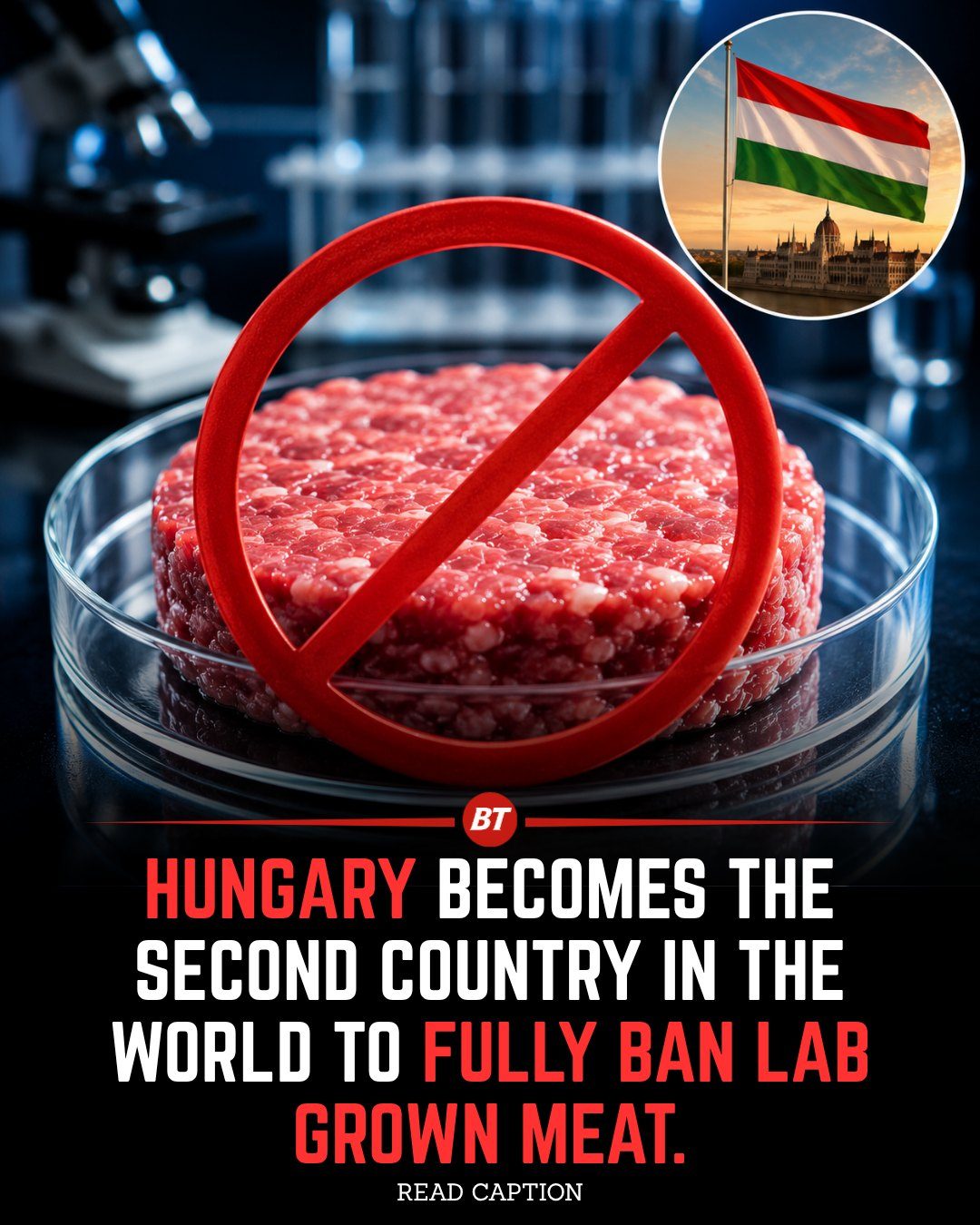
Lab-Grown Meat Ban
Hungary recently passed a nationwide ban on the production and sale of lab-grown, or cultivated, meat. This move follows Italy’s earlier legislation and marks a significant development in the global debate around this innovative food technology. The new law restricts cultivated meat products from being produced or sold for food, with a few exceptions for medical and veterinary research.
Context / Why this matters
Cultivated meat is produced by growing animal cells in controlled bioreactors, bypassing the need to raise and slaughter livestock. This process involves developing real muscle tissue from a small sample of animal cells, resulting in a product that is biologically meat but produced through a different method. The debate around lab-grown meat is multifaceted, involving discussions about food culture, farming, sustainability, and consumer choice. As more countries develop regulations, the future of cultivated meat is becoming a closely watched innovation in the food industry.
Main discussion
The Regulatory Landscape
Hungary’s decision to ban lab-grown meat highlights the growing divide in regulatory stances across the globe. While some countries are cautiously exploring the potential of cultivated meat, others are taking a more restrictive approach. Italy was the first to implement a nationwide ban, and Hungary’s recent legislation indicates a broader trend of skepticism.
Traditional Agriculture
The primary reason behind Hungary’s ban is to safeguard traditional agriculture and rural food production. The government aims to protect these sectors while gathering more data on the long-term impacts of cultivated meat. Traditional farming practices are deeply ingrained in many cultures and economies, and policymakers are cautious about adopting new technologies that could disrupt these established systems.
Consumer Health and Safety
Another critical factor in the ban is consumer health and safety. Hungary’s government wants more evidence on the possible long-term effects of consuming cultivated meat. Public acceptance and long-term safety data are crucial for ensuring that new food technologies are safe and beneficial. This concern is not unwarranted, as the safety of novel food products is a paramount consideration for regulators and consumers alike.
The Benefits of Cultivated Meat
Despite the regulatory hurdles, cultivated meat offers several potential benefits. Supporters argue that it could reduce the pressure on farmland, lower greenhouse gas emissions, and provide a sustainable way to meet the increasing global demand for meat. These environmental and sustainability advantages make cultivated meat an attractive option for those concerned about the ecological impact of traditional livestock farming.
Environmental Impact
Livestock farming is a significant contributor to greenhouse gas emissions and deforestation. Cultivated meat, by contrast, could significantly reduce these environmental impacts. The production process is more controlled, requiring fewer resources and generating less waste. This makes it a potentially more sustainable alternative to conventional meat production.
Animal Welfare
Cultivated meat also addresses concerns about animal welfare. Traditional meat production involves the slaughter of animals, which raises ethical questions for many consumers. Cultivated meat offers a way to produce meat without the need for animal slaughter, appealing to those who advocate for animal welfare.
The Scientific Perspective
The debate over cultivated meat extends beyond policy and culture into the realm of science. Researchers continue to study the nutritional profile, environmental impact, and production methods of cultivated meat. Food safety agencies in several countries are evaluating these products to determine their viability for market entry.
Nutritional Profile
One of the key areas of research is the nutritional profile of cultivated meat. Scientists are studying whether cultivated meat can match or exceed the nutritional value of traditionally produced meat. Early indications are promising, but more research is needed to fully understand the nutritional benefits and potential drawbacks.
Production Methods
The production methods for cultivated meat are also a subject of ongoing research. Scientists are exploring ways to make the process more efficient and cost-effective, ensuring that it can compete with traditional meat production in terms of scalability and affordability. Innovations in biotechnology and cell culture techniques are driving this progress.
Practical tips
For those interested in the future of food, staying informed about the latest developments in cultivated meat is essential. Here are some practical tips to navigate this evolving landscape:
Stay Informed
Keep up to date with the latest research and regulatory changes. Follow reputable sources for news and scientific studies on cultivated meat. This will help you understand the current state of the technology and its potential implications.
Engage in the Debate
Participate in discussions about the future of food. Whether through social media, public forums, or community events, engaging in the debate can help shape the direction of food policy and innovation. Share your views and listen to others to gain a well-rounded perspective.
Support Sustainable Practices
If you are concerned about the environmental impact of meat production, consider supporting sustainable practices. This could involve reducing your meat consumption, choosing sustainably sourced meat, or advocating for policies that promote sustainable agriculture.
Consider Ethical Implications
Reflect on the ethical implications of meat consumption. If you are opposed to animal slaughter, exploring alternatives like cultivated meat could be a viable option. Understand the ethical considerations and how they align with your values.
Important takeaways
- Hungary’s ban on lab-grown meat is part of a broader regulatory trend aimed at protecting traditional agriculture and consumer health.
- Cultivated meat offers potential benefits in terms of environmental sustainability and animal welfare.
- The debate around cultivated meat involves scientific, cultural, and policy considerations.
- Staying informed and engaged in the debate is crucial for understanding the future of food.
- Support for sustainable practices and ethical considerations can guide decisions about meat consumption.
Conclusion
The ban on lab-grown meat in Hungary reflects a complex interplay of regulatory, cultural, and scientific factors. While the debate continues, it is clear that cultivated meat has the potential to revolutionize the food industry. By understanding the context and implications of this innovative technology, we can better navigate the evolving landscape of food production and consumption. As more countries develop regulations and as research progresses, the future of cultivated meat will likely be shaped by a combination of technological advancements, regulatory decisions, and public acceptance.
Watch the Reel
Questions readers ask
What is lab-grown meat and how is it produced?
Lab-grown, or cultivated, meat is produced by cultivating animal cells in a controlled environment, typically in bioreactors. This process involves taking a small sample of animal cells and growing them into muscle tissue, creating a product that is biologically meat but produced without the need for livestock farming or slaughter.
Why did Hungary ban lab-grown meat?
Hungary implemented a ban on lab-grown meat to protect its traditional agriculture industry and to ensure consumer safety. The government aims to prevent potential risks associated with new food technologies and maintain the integrity of its food culture.
Which other countries have banned lab-grown meat?
Hungary is the second country to implement a nationwide ban on lab-grown meat, following Italy. These bans are part of a broader global debate about the future of this innovative food technology and its impact on farming, sustainability, and food culture.
Are there any exceptions to Hungary’s lab-grown meat ban?
Yes, Hungary's ban on lab-grown meat includes exceptions for medical and veterinary research. This allows for the continued study and development of cultivated meat technologies in controlled settings, ensuring that potential benefits can still be explored.
How does lab-grown meat compare to traditionally farmed meat in terms of sustainability?
Lab-grown meat has the potential to be more sustainable than traditionally farmed meat. It can reduce the environmental impact of livestock farming by lowering greenhouse gas emissions, water usage, and land requirements. However, the sustainability of lab-grown meat also depends on the energy sources used in its production.
What impact might the ban have on the future of lab-grown meat?
The ban in Hungary could influence the global debate on lab-grown meat, potentially slowing down its progress in the country and affecting consumer acceptance. It also highlights the need for further research and public discussion on the benefits, risks, and regulatory frameworks for this innovative food technology.
How does the ban on lab-grown meat affect consumers in Hungary?
The ban means that consumers in Hungary will not have access to lab-grown meat products in the food market. However, it allows consumers to continue supporting traditional agriculture and may provide assurance regarding the safety and traceability of their meat products.
Recent articles
Fresh deep dives from the latest Reels we unpacked.




Comments
Be the first to comment.