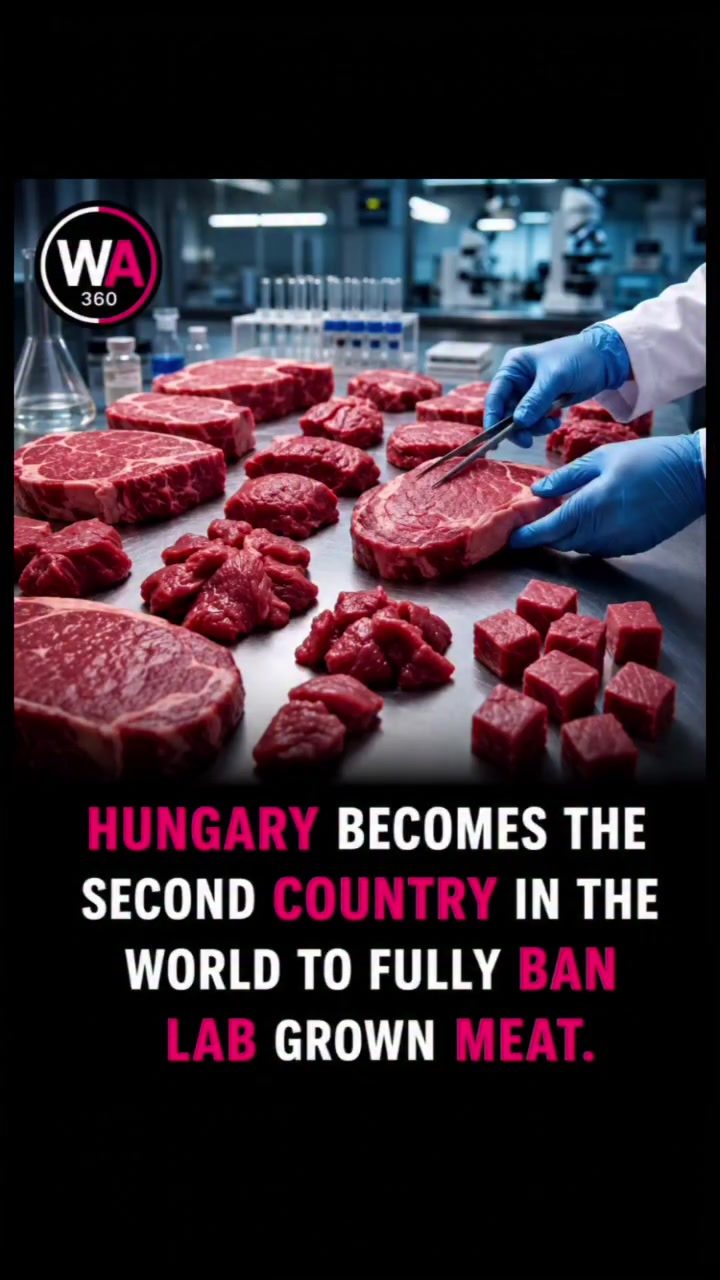
Hungary's recent decision to become the second country in the world to fully ban the production and sale of lab-grown meat has sparked debate among experts and food enthusiasts. This move has echoed across the global food industry, prompting discussions about traditional farming, food heritage, and the future of sustainable food technologies.
Context: The Rise of Lab-Grown Meat
Lab-grown meat, also known as cultured meat, is produced by cultivating animal cells in a controlled laboratory environment. This innovative process offers a potential alternative to conventional livestock farming. However, a growing divide exists worldwide, both around the acceptance and regulation of lab-grown meat.
The technology behind lab-grown meat has been developing for decades. The process involves taking muscle cells from a cow, pig, or chicken, and growing them in a nutrient-rich medium. The cells multiply and form muscle tissue, which can then be harvested and processed into meat products.
The Hungarian Ban: Why It Matters
Hungary's decision to ban lab-grown meat has significant implications for the global food industry. Proponents of the move argue that it protects traditional farming practices, preserves Hungary's culinary heritage, and supports local agriculture. Traditional farming methods are deeply rooted in the country's culture and economy, and banning lab-grown meat could be seen as a measure to protect these sectors from potential disruption.
Opponents of the ban, however, point out that it could slow down innovation in sustainable food technology. Lab-grown meat has the potential to reduce the environmental impact of livestock farming, which is a significant contributor to greenhouse gas emissions and deforestation. By banning lab-grown meat, Hungary may hinder progress toward more sustainable and efficient food production methods.
The Global Landscape
Hungary joins a small group of countries that have implemented strict regulations on lab-grown meat. While some nations are embracing this technology, viewing it as a sustainable solution to food security challenges, others are more cautious, citing concerns about safety, consumer acceptance, and economic impacts on traditional farming.
Key Issues and Debates
Economic Implications
The economic implications of banning lab-grown meat are complex. Traditional livestock farming is a significant sector in many economies, providing jobs and supporting rural communities. The introduction of lab-grown meat could disrupt these established industries, leading to job losses and economic instability. Hungary's decision reflects a broader global debate about how to balance innovation with the protection of traditional industries.
Sustainability and Environmental Impact
Lab-grown meat has the potential to offer a more sustainable alternative to conventional livestock farming. Traditional meat production contributes significantly to greenhouse gas emissions, deforestation, and water usage. In contrast, lab-grown meat could potentially reduce these environmental impacts by eliminating the need for large-scale livestock operations and land use for grazing and feed production.
Consumer Choice and Food Security
The ban on lab-grown meat also raises questions about consumer choice and food security. With rising global populations and increasing demand for protein, sustainable and efficient food production methods are crucial. Lab-grown meat could play a significant role in meeting these challenges by providing a reliable and scalable source of animal protein.
Practical Tips: Navigating the Lab-Grown Meat Landscape
For consumers and stakeholders interested in navigating the evolving landscape of lab-grown meat, the following tips can help:
- Stay Informed: Keep up-to-date with the latest developments and regulations in your region, as policies can vary widely.
- Engage in Dialogue: Participate in discussions about lab-grown meat, expressing your views and concerns to policymakers and industry stakeholders.
- Support Innovation: If you believe in the potential of lab-grown meat, consider supporting research and development efforts in this area.
- Explore Alternatives: Consider exploring other sustainable food options, such as plant-based meats, insect protein, and fermented foods.
Important Takeaways
Hungary's ban on lab-grown meat highlights the complex interplay between traditional farming, food innovation, and sustainability. The decision reflects a broader global debate about how to balance progress with the protection of established industries. As more countries explore regulations around lab-grown meat, it is essential to consider the economic, environmental, and social implications of this emerging technology.
Conclusion
The growing debate around lab-grown meat underscores the need for balanced and informed policy decisions. Hungary's ban on this technology serves as a critical case study, offering insights into the challenges and opportunities associated with sustainable food innovation. As the future of food evolves, policymakers, consumers, and industry stakeholders must work together to create a food system that is both sustainable and equitable.
Watch the Reel
Questions readers ask
Why did Hungary implement a ban on lab-grown meat?
Hungary's ban on lab-grown meat is driven by a desire to preserve traditional farming methods and culinary heritage. The government aims to support local farmers and maintain the country's food culture, which is deeply rooted in conventional livestock farming. Additionally, the ban reflects concerns about the potential impacts of new food technologies on the environment and public health.
How does Hungary's ban on lab-grown meat affect the global food industry?
Hungary's ban has significant implications for the global food industry, as it highlights a growing divide between nations regarding the acceptance and regulation of lab-grown meat. The ban could influence other countries to reassess their food technology regulations and policies, potentially shaping the future of sustainable food technologies and traditional farming practices worldwide.
What are the arguments in favor of lab-grown meat?
Supporters of lab-grown meat argue that it offers a more sustainable alternative to conventional livestock farming. By reducing the environmental footprint, lab-grown meat could help mitigate issues such as greenhouse gas emissions, deforestation, and water pollution. Additionally, lab-grown meat could address concerns about animal welfare, food safety, and global food security.
How does lab-grown meat compare to traditional farming in terms of sustainability?
Lab-grown meat has the potential to be more sustainable than traditional farming. Conventional livestock farming contributes significantly to greenhouse gas emissions, land use, and water consumption. In contrast, lab-grown meat requires less land and water, and can be produced with fewer greenhouse gas emissions, making it a more environmentally friendly option.
What are the potential environmental impacts of lab-grown meat?
Lab-grown meat presents both potential benefits and drawbacks for the environment. Positive impacts include reduced land use, lower greenhouse gas emissions, and decreased water consumption. However, concerns remain about the energy requirements for producing lab-grown meat, as well as the disposal of waste from the production process. Ongoing research and development are needed to fully understand and mitigate these environmental impacts.
Will the ban on lab-grown meat in Hungary affect the future of food technology?
The ban on lab-grown meat in Hungary could have a significant impact on the future of food technology. This policy may influence other countries to adopt similar regulations and could lead to further development of alternative protein sources. Conversely, it could also prompt innovation in lab-grown meat technology to address regulatory challenges and public concerns.
What are the main points of contention in the global debate on lab-grown meat?
The global debate on lab-grown meat centers around several key issues. These include the potential environmental benefits and drawbacks, concerns about animal welfare and food safety, economic impacts on traditional farming, and regulatory frameworks. The debate also involves ethical considerations and the role of technology in shaping the future of our food systems. Hungary's ban has added fuel to this global conversation, highlighting the need for balanced policies that consider all these factors.
Recent articles
Fresh deep dives from the latest Reels we unpacked.




Comments
Be the first to comment.