HPV Vaccine Benefits
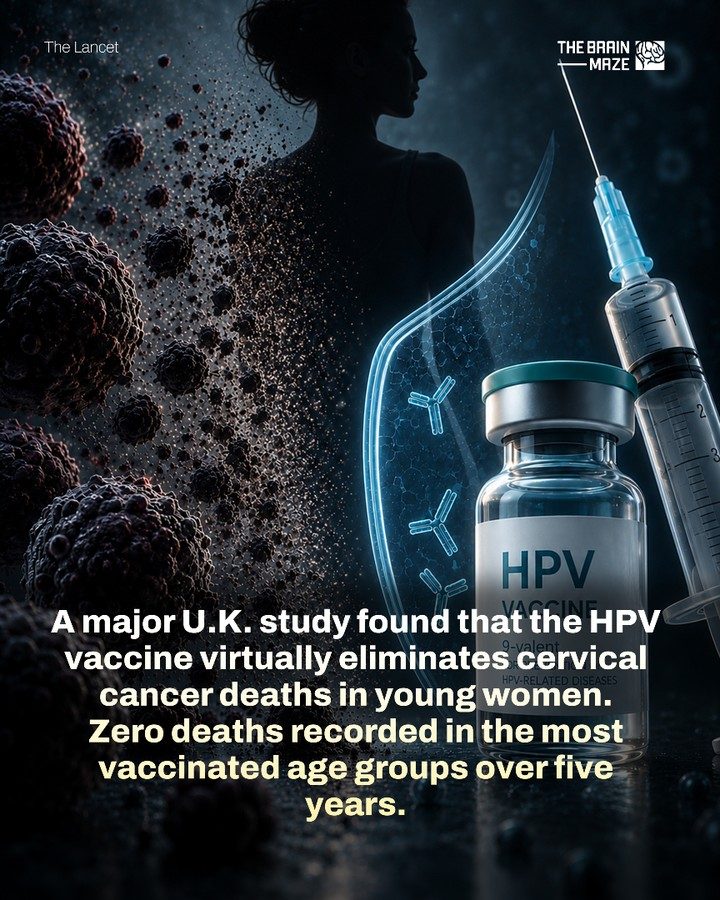
The HPV vaccine has emerged as a powerful tool in the fight against cervical cancer, with a major U.K. study published in The Lancet showcasing its significant impact. This study revealed that HPV vaccination can virtually eliminate cervical cancer deaths in young women, marking a substantial advancement in preventive healthcare.
Context / Why this matters
Cervical cancer is a significant global health concern, with the human papillomavirus (HPV) being the primary cause. Certain strains of HPV are responsible for nearly all cases of cervical cancer. The HPV vaccine targets these specific strains, providing a crucial line of defense against this disease. The findings from the U.K. study underscore the vaccine's efficacy and highlight its role in reducing cervical cancer mortality rates among young women.
Main discussion
Study findings
The study, featured in The Lancet, focused on two age groups: 20-24 and 25-29. Among these highly vaccinated groups, researchers recorded zero cervical cancer deaths over a five-year period. This dramatic result underscores the vaccine's effectiveness in protecting against the most common HPV strains that lead to cervical cancer. The absence of deaths in these age groups is a testament to the vaccine's ability to virtually eliminate cervical cancer deaths in young women.
HPV and Cervical Cancer
HPV is a common virus that can be transmitted through sexual contact. While many HPV infections are harmless and resolve on their own, certain high-risk strains can cause cellular changes that lead to cervical cancer. The HPV vaccine works by stimulating the body's immune system to produce antibodies against these high-risk strains, thereby preventing infection and the subsequent development of cervical cancer.
The Power of Vaccination
The study's findings emphasize the importance of high vaccination rates. The groups with zero cervical cancer deaths were those with the highest vaccination rates. This indicates that widespread vaccination campaigns can significantly reduce the incidence of cervical cancer and related deaths. The vaccine's success in these age groups suggests that early vaccination programs can have long-lasting benefits, protecting individuals well into adulthood.
Practical tips
Getting Vaccinated
One of the most effective ways to protect against cervical cancer is by getting vaccinated. The HPV vaccine is typically recommended for individuals between the ages of 9 and 26, although some healthcare providers may recommend it for those up to 45, depending on individual risk factors. It is usually administered in a series of two or three doses, depending on the individual's age and health status.
Regular Screening
Even after vaccination, regular cervical cancer screenings are essential. Screenings, such as Pap tests and HPV tests, can detect precancerous changes in the cervix before they develop into cancer. Early detection and treatment can significantly improve outcomes and reduce the risk of cancer progression.
Education and Awareness
Educating the public about the importance of HPV vaccination and regular screenings is crucial. Awareness campaigns can help dispel myths and misconceptions about the vaccine, encouraging more people to seek vaccination and screening. Healthcare providers play a key role in this effort, offering guidance and support to patients.
Important takeaways
The U.K. study published in The Lancet provides compelling evidence of the HPV vaccine's ability to virtually eliminate cervical cancer deaths in young women. The findings highlight the importance of high vaccination rates and regular screenings in preventing cervical cancer. By understanding the impact of the HPV vaccine and taking proactive steps, individuals can significantly reduce their risk of developing cervical cancer and contribute to broader public health efforts.
Conclusion
The HPV vaccine represents a groundbreaking advancement in the prevention of cervical cancer. The U.K. study's findings underscore the vaccine's effectiveness and the critical role of high vaccination rates in reducing cervical cancer deaths. By promoting vaccination, regular screenings, and public awareness, we can work toward a future where cervical cancer becomes a preventable and virtually eradicated disease.
Watch the Reel
Questions readers ask
What strains of HPV does the vaccine target to prevent cervical cancer?
The HPV vaccine focuses on specific strains of the human papillomavirus, particularly those most commonly linked to cervical cancer. These strains are responsible for nearly all cases of the disease, making the vaccine a highly effective preventive measure.
What were the results of the U.K. study on the HPV vaccine published in The Lancet?
The U.K. study published in The Lancet demonstrated that the HPV vaccine has the potential to virtually eliminate cervical cancer deaths in young women. The study highlighted significant reductions in cervical cancer cases and deaths, underscoring the vaccine's efficacy when administered at high rates.
What role does the HPV vaccine play in global health?
The HPV vaccine plays a critical role in global health by offering a powerful defense against cervical cancer, a significant health concern worldwide. By targeting and reducing the prevalence of high-risk HPV strains, the vaccine helps lower the incidence of cervical cancer and related deaths.
What has been the impact of high HPV vaccination rates in the UK?
High HPV vaccination rates in the UK have been pivotal in achieving life-saving results, as evidenced by the substantial reduction in cervical cancer deaths among young women. The vaccine's success in this population highlights its potential to eliminate cervical cancer deaths when widely adopted.
How does the HPV vaccine contribute to preventive healthcare?
The HPV vaccine contributes to preventive healthcare by providing a proactive measure against cervical cancer. By vaccinating individuals, particularly young women, against the specific strains of HPV that cause the disease, the vaccine significantly reduces the likelihood of developing cervical cancer and the associated mortality rates.
What was the major finding of the HPV vaccine study in the UK?
The major finding of the HPV vaccine study in the UK was the near elimination of cervical cancer deaths in young women. The study showed that the vaccine, when administered at high rates, has the potential to drastically reduce cervical cancer cases and prevent deaths related to the disease.
What are the benefits of the HPV vaccine in reducing cervical cancer?
The HPV vaccine offers several benefits in reducing cervical cancer, including targeting the high-risk strains of HPV that cause the disease, significantly lowering the incidence of cervical cancer, and virtually eliminating cervical cancer deaths in vaccinated populations, particularly young women.
Related deep dives
Similar reads based on topic and creator.


Recent articles
Fresh deep dives from the latest Reels we unpacked.




Comments
Be the first to comment.