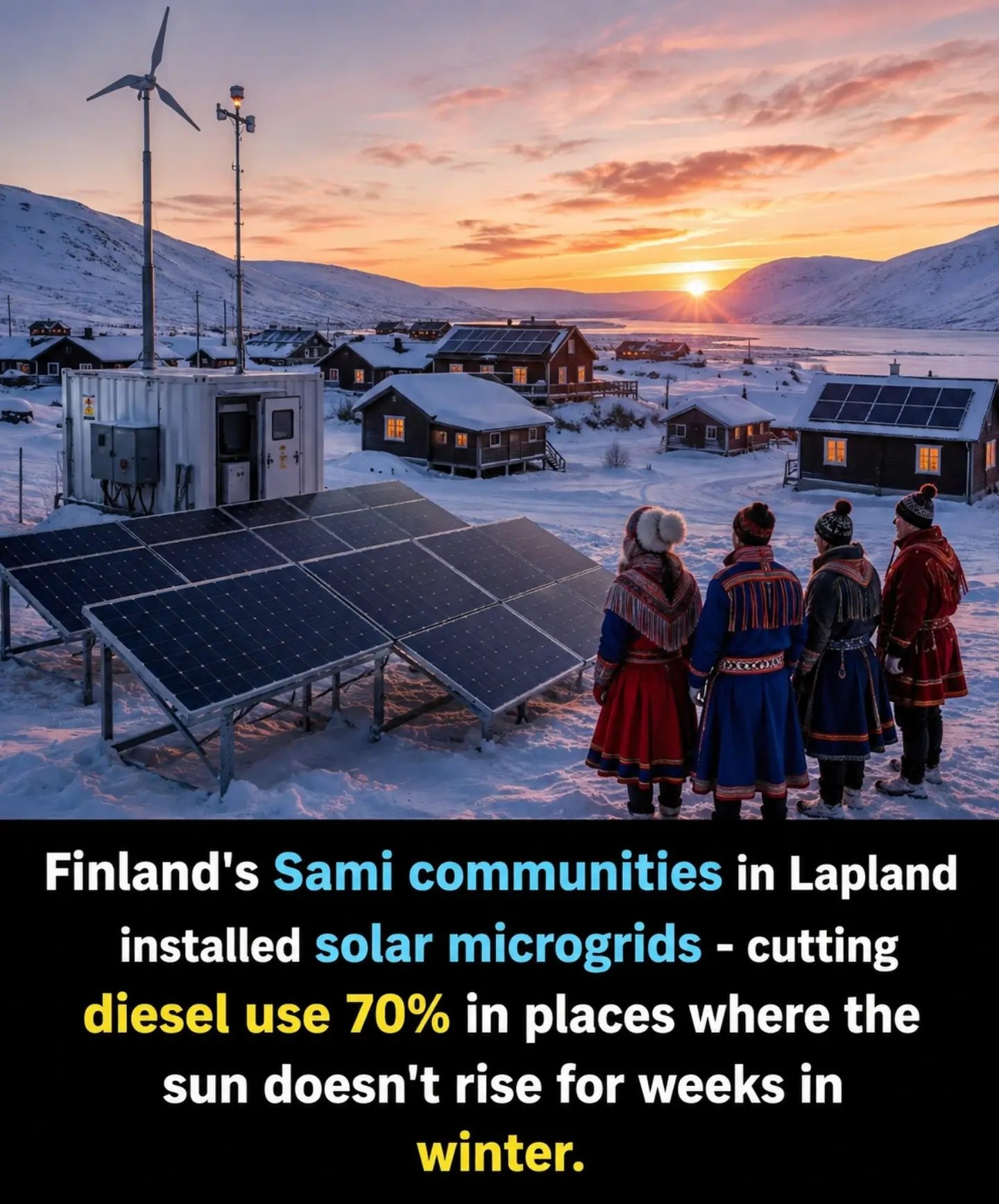
Solar Microgrids in Lapland
Solar microgrids are revolutionizing energy access in Lapland, Finland, particularly in the Sami communities. These innovative systems are not only reducing dependence on fossil fuels but also proving effective in harsh, prolonged winter conditions. Here’s a deeper look at how solar microgrids are transforming energy delivery in one of the world's coldest regions.
Context / Why This Matters
Lapland's extreme weather conditions, with weeks of darkness during winter, present unique challenges for energy supply. Traditionally, diesel generators have been the primary source of power, but their environmental impact and high operational costs are significant drawbacks. The introduction of solar microgrids offers a sustainable and cost-effective solution, even in such harsh environments.
Main Discussion
The Challenge of Lapland's Weather
Lapland's climate is characterized by long, dark winters and short summers with nearly 24 hours of daylight. This seasonal variation makes traditional solar energy systems less effective. However, solar microgrids are designed to overcome these challenges through advanced energy storage solutions and hybrid systems that can incorporate wind or hydro power.
The Sami communities in Lapland have successfully installed solar microgrids, cutting diesel use by up to 70% in areas where the sun doesn't rise for weeks at a time. This achievement underscores the adaptability and efficiency of modern solar technology.
How Solar Microgrids Work
Solar microgrids function as small, self-sustaining power systems. Typically, these systems include:
- Solar Panels: These convert sunlight into electrical energy.
- Battery Storage: Excess energy generated during daylight hours is stored for use during periods of low or no sunlight.
- Hybrid Power Sources: In some configurations, solar microgrids can incorporate wind turbines or hydroelectric power to ensure a consistent energy supply.
The integration of these components allows solar microgrids to provide reliable power even in the absence of sunlight for extended periods.
The Sami Communities’ Experience
The Sami communities in Lapland have embraced solar microgrids as a practical and sustainable solution to their energy needs. These systems not only reduce dependence on diesel but also lower greenhouse gas emissions, contributing to a cleaner environment. The installations have been so successful that other communities are now considering similar transitions.
Practical Tips
If you are considering a solar microgrid for your remote or off-grid community, here are some practical tips to ensure a successful implementation:
- Assess Your Energy Needs: Start by evaluating your community's energy consumption and peak demand periods. This will help determine the size and capacity of the solar microgrid required.
- Choose the Right Technology: Select solar panels and battery storage systems that are suitable for your climate and energy needs. Consider hybrid systems that can include wind or hydro power for added reliability.
- Engage the Community: Involve the community in the planning and implementation process. This ensures buy-in and support, which are crucial for the long-term success of the project.
- Maintenance and Monitoring: Regular maintenance and monitoring of the microgrid are essential to ensure optimal performance. Train community members to perform basic maintenance and troubleshooting tasks.
Important Takeaways
Solar microgrids offer a sustainable and cost-effective solution for communities in remote or challenging environments. They can significantly reduce dependence on fossil fuels, lower operational costs, and provide a reliable power source even in harsh weather conditions. The success of solar microgrids in Lapland demonstrates the potential of renewable energy solutions in diverse settings.
Conclusion
The adoption of solar microgrids in Lapland's Sami communities highlights the viability of renewable energy solutions in even the most challenging climates. By reducing diesel use and lowering emissions, these innovative systems are paving the way for a more sustainable future. As more communities look to transition away from fossil fuels, the lessons learned in Lapland will undoubtedly serve as a valuable blueprint for similar projects around the world.
Watch the Reel
Questions readers ask
How do solar microgrids function in Lapland's harsh winter conditions?
Solar microgrids in Lapland are designed to operate effectively even during prolonged periods of darkness. They store excess energy generated during the summer months and use it when sunlight is scarce. Additionally, some systems may integrate other renewable sources, such as wind power, to maintain a consistent energy supply.
What are the primary benefits of using solar microgrids in Sami communities?
Sami communities benefit from solar microgrids through reduced reliance on diesel generators, which lowers both environmental impact and operational costs. These systems provide a sustainable power solution, enhancing energy access and improving the overall quality of life in remote areas.
Can solar microgrids completely replace diesel generators in Lapland?
While solar microgrids significantly reduce the need for diesel generators, complete replacement depends on the specific energy demands and storage capacity. In many cases, a hybrid system that combines solar power with diesel backup ensures a reliable energy supply, especially during extended periods of low sunlight.
How are off-grid solar systems installed in Lapland?
Installing off-grid solar systems in Lapland involves careful planning and design to withstand extreme weather. The process includes site assessment, panel installation, battery storage setup, and integration with other renewable energy sources if necessary. Local expertise and community engagement are crucial for successful implementation.
What role do solar microgrids play in Lapland's transition to renewable energy?
Solar microgrids are pivotal in Lapland's shift towards renewable energy by providing clean, sustainable power solutions. They help diminish the carbon footprint associated with diesel use, promote energy independence, and support the region's green energy goals. This transition also encourages local job creation and economic development.
How do solar microgrids benefit the environment in Lapland?
Solar microgrids benefit the environment by reducing greenhouse gas emissions from diesel generators. They also decrease noise pollution and lower the risk of fuel spills. By promoting sustainable energy practices, these systems help preserve Lapland's pristine natural landscapes and support local ecosystem health.
What challenges are associated with implementing solar microgrids in Lapland?
Key challenges include the high initial investment costs, the need for advanced energy storage solutions, and the technical requirements for maintaining systems in harsh conditions. Additionally, integrating solar microgrids with existing infrastructure and ensuring community acceptance are important considerations for successful implementation.
Recent articles
Fresh deep dives from the latest Reels we unpacked.




Comments
Be the first to comment.