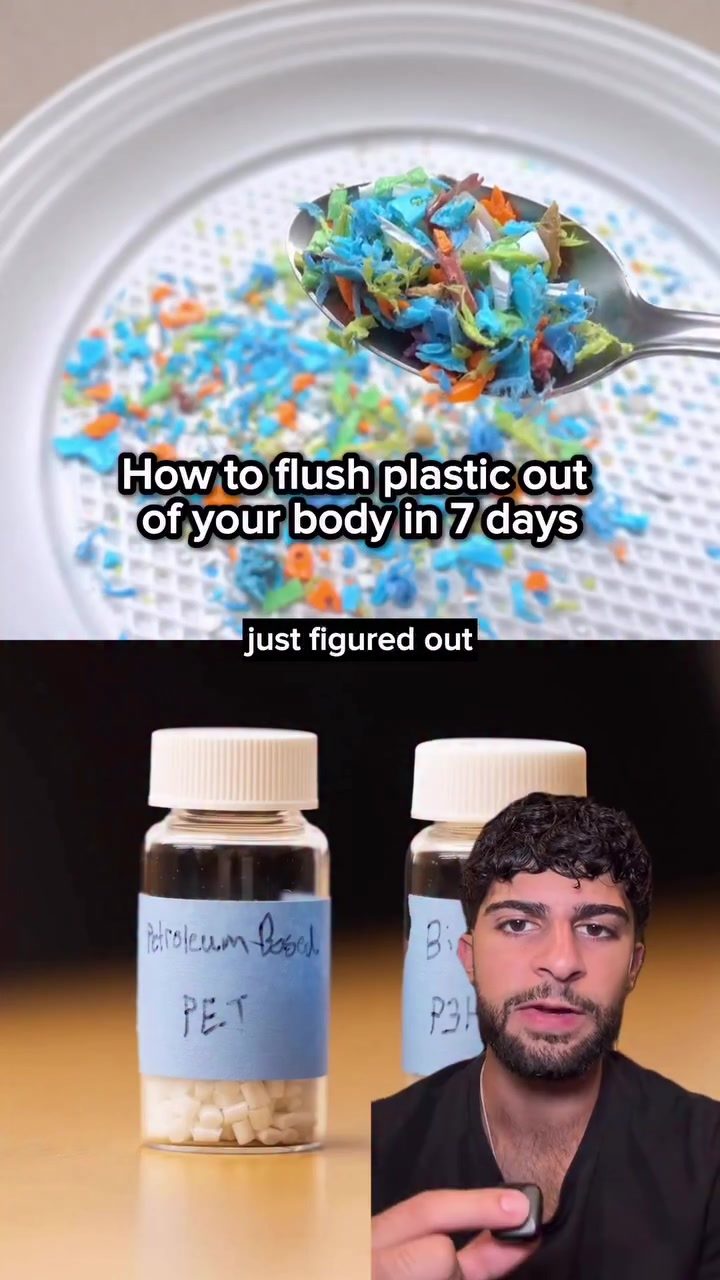
The Groundbreaking Study on Removing Plastic from the Body
Microplastics and chemicals like BPA and phthalates are pervasive in our environment. These substances are found in numerous everyday items, from packaging to cosmetics, making it seem impossible to avoid them entirely. However, a recent study conducted by researchers in Australia offers a glimmer of hope. The study demonstrates how a carefully planned diet can significantly reduce the levels of these harmful chemicals in the body within just seven days.
Context
Microplastics and their associated chemicals are a growing concern due to their potential health impacts. These tiny particles, often measured in micrometers, are ingested through various means, including food, water, and air. The most common sources of microplastics in the diet are packaging, canned foods, and processed foods. Understanding how to mitigate their impact is crucial for public health.
The Study
The study involved 60 participants who underwent a strict diet designed to eliminate plastic exposure at every step. Researchers collaborated with over 100 food producers to ensure that none of the food items touched plastic during production, packaging, or storage. This meticulous approach aimed to strip plastic out of the participants' diets entirely.
Key Findings
After just seven days on this diet, the levels of BPA in the participants' urine dropped by 60%. Additionally, two other plastic-related chemicals also showed a significant decrease. This dramatic reduction highlights the effectiveness of a plastic-free diet in mitigating the body's exposure to harmful chemicals.
The study identified three primary factors that contributed to the high levels of BPA in the participants' bodies:
- Canned Foods: Every can of food consumed was linked to a 14% increase in BPA levels. Canned foods often contain BPA in their lining, which can leach into the food.
- Plastic Packaging: Even fresh fruits and vegetables that are packaged in plastic can contribute to plastic ingestion. The chemicals in the plastic can migrate into the food.
- Ultra-Processed Foods: These foods are often packed with plastic at various stages of production, leading to a higher accumulation of plastic chemicals.
Practical Tips
While completely eliminating plastic from your diet may not be feasible for everyone, there are several practical steps you can take to reduce your exposure to microplastics and their associated chemicals:
- Choose Fresh, Unpackaged Foods: Opt for fresh produce and foods that are not packaged in plastic. Shop at local farmers' markets or buy in bulk to minimize packaging.
- Avoid Canned Foods: Where possible, avoid canned foods, especially those with BPA-lined cans. Opt for glass jars or Tetra Paks instead.
- Cook at Home: Preparing meals at home allows you to control the ingredients and packaging. Avoid processed and ultra-processed foods, which often contain plastic additives.
Important Takeaways
The Australian study offers valuable insights into how diet can influence the body's exposure to microplastics and harmful chemicals. Here are the key takeaways:
- Diet Matters: A diet free from plastic packaging can significantly reduce the levels of BPA and other plastic chemicals in the body.
- Canned Foods and Plastic Packaging Are Major Contributors: These are significant sources of plastic chemicals in the diet.
- Ultra-Processed Foods Are a Risk: These foods often contain plastic additives at various stages of production, contributing to higher levels of these chemicals in the body.
Conclusion
The study highlights the importance of a plastic-free diet in reducing the body's exposure to harmful chemicals. While it may not be practical to eliminate all plastic from your diet, making conscious choices about the foods you consume can make a significant difference. By opting for fresh, unpackaged foods, avoiding canned foods, and cooking at home, you can take steps to protect your health from the impacts of microplastics and their associated chemicals.
Watch the Reel
Questions readers ask
What is BPA and why is it harmful?
BPA, or Bisphenol A, is a chemical commonly used in plastics and canned food linings. It is harmful because it can mimic estrogen in the body, potentially leading to various health issues, including reproductive problems and developmental issues in children.
How can a diet help reduce BPA levels in the body?
A diet focused on whole, fresh foods and avoiding processed items can significantly reduce BPA levels. This is because BPA is often found in canned foods, plastic packaging, and other processed items. By eliminating these from your diet, you can lower your exposure to BPA.
What specific foods should I avoid to reduce my BPA intake?
To reduce BPA intake, avoid canned foods, as they often contain BPA in their linings. Additionally, steer clear of foods packaged in plastic, especially if they are meant for long-term storage or are heated in plastic containers.
Can reducing BPA exposure have immediate health benefits?
While the long-term benefits of reducing BPA exposure are well-documented, the immediate health benefits may not be as pronounced. However, a significant reduction in BPA levels, as shown in the Australian study, can start the body's detoxification process and potentially improve overall health over time.
What are some BPA-free alternatives for packing and storing food?
Opt for glass, stainless steel, or ceramic containers for storing food, as these materials are generally free from BPA and other harmful chemicals. When it comes to canned goods, choose brands that use BPA-free linings or opt for fresh or frozen alternatives when possible.
How long does it take to see a reduction in BPA levels through diet changes?
According to the Australian study, a carefully planned diet can reduce BPA levels by up to 60% in just one week. This highlights the potential for quick and significant results through dietary changes.
What are some signs that a product might contain BPA?
Products that are likely to contain BPA include those labeled with a recycling number 3 or 7, or those that mention 'polycarbonate' or 'epoxy resins' in their composition. While many companies are moving towards BPA-free products, it's essential to check labels and opt for BPA-free alternatives when available.
Related deep dives
Similar reads based on topic and creator.



Recent articles
Fresh deep dives from the latest Reels we unpacked.




Comments
Be the first to comment.