Watermelon Ripeness
Selecting a ripe watermelon can be a tricky task, but understanding a few key indicators can lead you to the perfect, juicy watermelon every time. The creamy field spot on the underside, the texture of the rind, and the color of the flesh are all crucial clues that reveal the watermelon's ripeness.
Why This Matters
Knowing how to pick a ripe watermelon is essential for enjoying its peak flavor and juiciness. A perfectly ripe watermelon is not only refreshing but also bursting with natural sweetness. By understanding the subtle signs of ripeness, you can avoid the disappointment of a watery, unripe, or overripe watermelon.
Main Discussion
External Signs of Ripeness
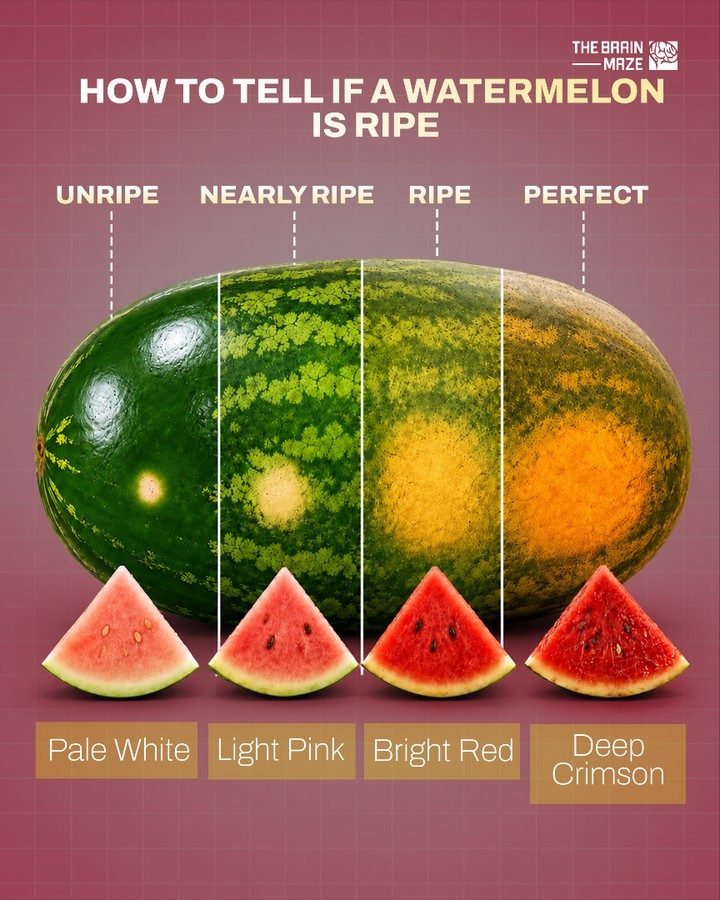
The first clues to a watermelon's ripeness are found on the outside. The field spot, which is the creamy area where the watermelon rested on the ground, changes color as the fruit ripens. When unripe, this spot is pale white. As the watermelon matures, this spot deepens to a golden yellow, indicating that the fruit has been exposed to sunlight and is ready to be picked. A large, golden field spot is a strong indicator of a ripe watermelon.
Another external sign is the texture of the rind. A ripe watermelon will have a dull, matte appearance, losing the shiny gloss of an unripe one. This change in texture is due to the breakdown of the waxy coating as the fruit ripens. Running your hand over the rind, you should feel a slight roughness and a loss of shine, which are clear signs that the watermelon is ready to be enjoyed.
Internal Signs of Ripeness
Cutting into the watermelon reveals the most telling signs of ripeness. The flesh of an unripe watermelon is a pale white or light pink color. As it ripens, the flesh turns a brighter red, and when perfectly ripe, it transforms into a rich, deep crimson. This change in color is accompanied by a significant increase in sweetness and juiciness. The flesh becomes tender and succulent, making it the ideal watermelon for consumption.
Stages of Ripeness
Watermelons go through distinct stages of ripeness, each marked by specific characteristics:
- Unripe: At this stage, the watermelon is pale white inside and firm to the touch. The rind is shiny, and the field spot is barely noticeable.
- Nearly Ripe: The flesh turns a light pink, and the rind begins to lose its shine. The field spot starts to turn a lighter shade of yellow.
- Ripe: The flesh is a bright red, and the rind has a matte, dull appearance. The field spot is now a deep golden yellow.
- Perfect: At this stage, the flesh is a deep crimson, and the watermelon is at its sweetest and juiciest. The field spot is large and golden, and the rind is completely dull.
Practical Tips
Choosing the Perfect Watermelon
- Check the Field Spot: Look for a large, deep golden yellow field spot. This indicates that the watermelon has been fully exposed to the sun and is ripe.
- Feel the Rind: A ripe watermelon will have a dull, matte rind. Avoid watermelons with a shiny, glossy rind.
- Listen for a Hollow Sound: Tap the watermelon with your knuckles. A ripe watermelon will produce a hollow, resonant sound, while an unripe one will sound dull.
- Look for a Heavy Weight: For its size, a ripe watermelon will feel heavier due to its high water content. Compare the weight of different watermelons to find the ripest one.
Storing a Ripened Watermelon
After selecting a ripe watermelon, store it properly to maintain its freshness. Keep the whole watermelon at room temperature for up to a week. If you've cut into it, store the remaining pieces in an airtight container in the refrigerator for up to three days.
Enjoying Your Watermelon
Watermelons are incredibly versatile and can be enjoyed in various ways. Slice it into wedges and enjoy it as a refreshing snack. Use it in salads, smoothies, or even grilled for a unique twist. The options are endless, and a ripe watermelon will enhance any dish with its natural sweetness and juiciness.
Important Takeaways
- A ripe watermelon has a deep golden yellow field spot and a dull, matte rind.
- The flesh of a ripe watermelon is a deep crimson and very juicy.
- Check for a heavy weight and a hollow sound when tapping the watermelon.
- Store whole watermelons at room temperature and cut pieces in the refrigerator.
Conclusion
Choosing a ripe watermelon involves understanding the subtle changes in its appearance and texture. By looking for a large, golden field spot, a dull rind, and deep crimson flesh, you can select the perfect watermelon every time. With these tips and insights, you'll be well on your way to enjoying the sweetest, juiciest watermelons. So, next time you're at the market, keep these clues in mind and pick the best watermelon for a refreshing and delicious experience.
Watch the Reel
Questions readers ask
What is the field spot and why is it important when picking a watermelon?
The field spot is the creamy, yellowish patch on the underside of a watermelon, where it rested on the ground. A ripe watermelon will have a golden or creamy field spot, while a green or white spot indicates it was picked too early and may be unripe. The ripeness can be understood by the color, the more yellow it is, the more ripe the watermelon is.
How can the texture of the watermelon's rind indicate its ripeness?
The texture of the rind should be firm but not hard. A ripe watermelon will have a rind that is smooth and firm to the touch, while a dull or wrinkled rind could mean the watermelon is overripe. A shiny, hard rind may indicate that the watermelon is not fully ripe. Be sure to give it a gentle pat and listen for a slight hollow sound.
What color should the watermelon be to indicate it is ripe?
A ripe watermelon will have a dark green color on the top and sides. It usually has streaks of yellow or gold. A watermelon that is still green or has a white patch on the field spot is likely not ripe. An overripe watermelon will have a faded or dull color, and may have wrinkles or soft spots.
How can I tell if a watermelon is juicy from the outside?
While the outside of the watermelon doesn't directly indicate juiciness, a ripe watermelon should be heavy for its size. This can help you gauge that it is juicy. Also, the rind should be firm, and the field spot should be creamy yellow, indicating the watermelon has reached its peak ripeness and juiciness.
What are the signs of an overripe watermelon?
An overripe watermelon may have a dull or wrinkled rind, and the field spot may be dull or shrunken. It may also have soft spots or feel too soft to the touch. The color of the watermelon may look faded or dull. If the watermelon is too soft, it is likely overripe and may be mushy or mealy inside.
What should I do if I'm still unsure about the watermelon's ripeness?
If you're still unsure, ask the farmer or store employee for assistance. They can often provide insights into when the watermelons were picked and how they were stored. Also, check for the watermelon's weight and color. Heavier watermelons are usually juicier, and a more yellow field spot means the watermelon is ripe.
Can I ripen a watermelon at home if it's not quite ready?
Once picked, a watermelon will not continue to ripen significantly. It is best to pick a watermelon that is already ripe. However, you can let it sit at room temperature for a day or two to enhance its sweetness slightly. But, do not expect a dramatic change in ripeness.
Related deep dives
Similar reads based on topic and creator.

Recent articles
Fresh deep dives from the latest Reels we unpacked.




Comments
Be the first to comment.