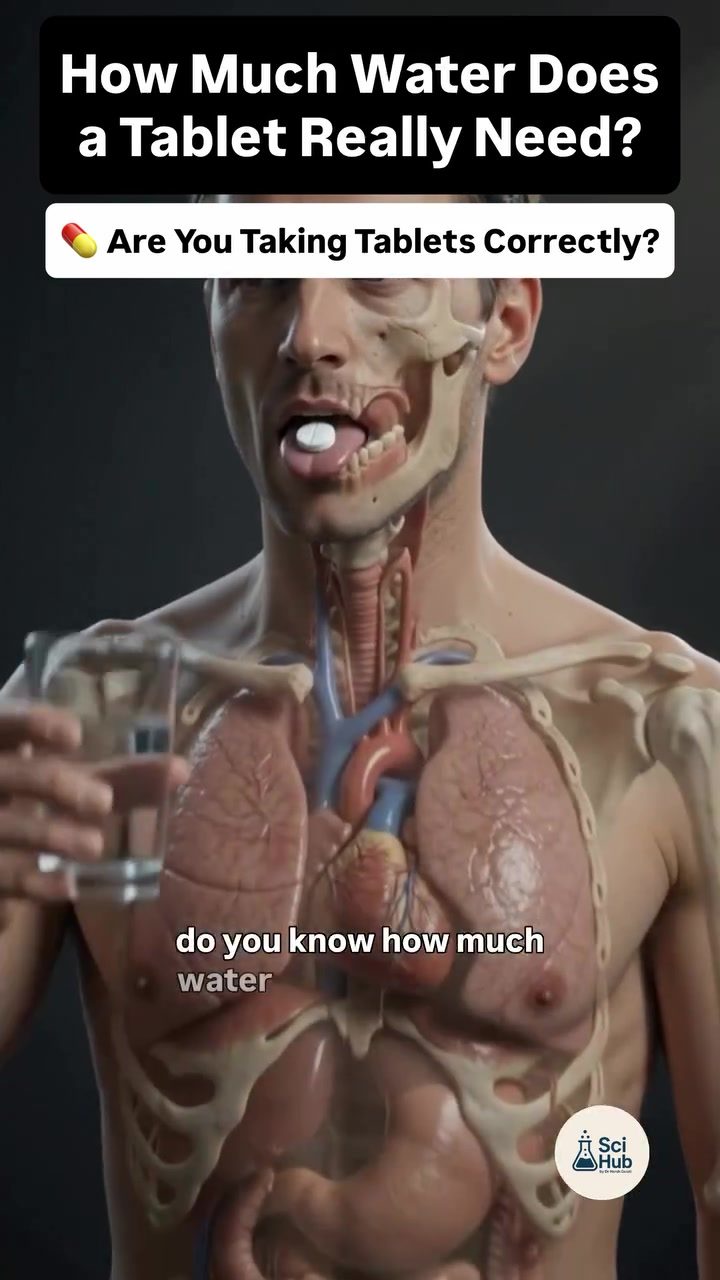
Tablet Hydration: The Critical Role of Water
Tablets are a common form of medication, but did you know the amount of water you drink while taking them can significantly impact their effectiveness? Proper hydration is crucial when consuming tablets, as it aids in their dissolution and absorption in the body. Understanding the role of water in tablet ingestion can ensure you get the most out of your medication. This is especially true for people with conditions like gastroparesis, as the speed at which food and medications exit the stomach can be affected by hydration levels.
Why This Matters
Water is essential for the effective delivery of medication from tablets. When you swallow a tablet with an insufficient amount of water, it may not dissolve properly, leading to inconsistent absorption and potentially reduced effectiveness. Adequate hydration helps the tablet move smoothly through the esophagus and into the stomach, where it can begin to dissolve and release its active ingredients.
The Journey of a Tablet
When you take a tablet, it undergoes a journey through your digestive system. Here's a breakdown of what happens:
Esophagus to Stomach
The esophagus is a muscular tube that connects your mouth to your stomach. When you swallow a tablet with a full glass of water (about 200-250 milliliters), it slides down more smoothly. This is because adequate water helps to lubricate the passage, reducing friction and allowing the tablet to reach the stomach more efficiently.
Dissolution and Absorption
Once the tablet reaches the stomach, the acidic environment begins to break it down. Water plays a crucial role in this process by facilitating the dissolution of the tablet's coating and allowing the active ingredients to be released. This is particularly important for tablets that are designed to release their contents over time or in specific parts of the digestive system.
Impact on Medication Effectiveness
For many medications, proper hydration ensures that the active ingredients are absorbed efficiently into the bloodstream. If a tablet moves too slowly through the esophagus or does not dissolve properly in the stomach, it can affect how well the medication works. In some cases, insufficient water intake can even lead to irritation of the esophagus or stomach, especially for medications that are designed to be taken with plenty of water.
Practical Tips
To ensure you're taking your tablets correctly and maximizing their effectiveness, follow these practical tips:
Check the Label
Always follow the instructions on the medicine label. Some medications have specific requirements for water intake, and it's essential to adhere to these guidelines.
Use a Full Glass
For most tablets, taking them with a full glass of water (about 200-250 milliliters) is recommended. This amount helps the tablet travel smoothly through the esophagus and into the stomach, where it can dissolve and release its active ingredients effectively.
Avoid Just a Sip
Swallowing a tablet with just a sip of water can slow down its passage through the esophagus and may cause irritation for some medications. Always aim for a full glass of water unless otherwise instructed.
Stay Hydrated
Maintaining overall hydration is also important. Drinking enough water throughout the day can help ensure that your body's digestive processes are functioning optimally, which can enhance the effectiveness of your medications.
Seek Professional Advice
If you have specific health conditions or concerns about how to take your medication, consult your doctor or pharmacist. They can provide personalized advice based on your medical history and the specific medications you are taking.
Important Takeaways
Hydration Matters
Proper hydration is critical for the effective delivery of medication from tablets. Always ensure you are drinking enough water when taking your tablets to maximize their effectiveness.
Follow Instructions
Adhere to the instructions on the medicine label or the advice of your healthcare provider. Some medications have specific requirements for water intake, and it's essential to follow these guidelines.
Know the Journey
Understanding the journey of a tablet through your digestive system can help you appreciate the importance of proper hydration. A full glass of water helps the tablet move smoothly to the stomach, where it can dissolve and release its active ingredients.
Conclusion
Taking tablets with the right amount of water is more important than most people realize. Proper hydration aids in the dissolution and absorption of medication, ensuring that you get the full benefit of your treatment. By following the guidelines and tips outlined here, you can enhance the effectiveness of your medication and support overall health. Always stay informed and consult with your healthcare provider for personalized advice on taking your medication.
Watch the Reel
Questions readers ask
How much water should I drink when taking tablets?
A common recommendation is to drink at least 8 ounces (240 milliliters) of water with each tablet. However, the specific amount can vary depending on the type of medication and your doctor's advice. Always follow the instructions provided with your medication or consult your healthcare provider for personalized guidance.
What happens if I don't drink enough water with my tablets?
If you don't drink enough water, the tablet may not dissolve properly, which can lead to inconsistent absorption and potentially reduce the medication's effectiveness. In some cases, it might also cause discomfort or irritation in the esophagus or stomach.
Can drinking too much water with tablets be a problem?
While it's important to drink enough water to help dissolve the tablet, drinking excessive amounts of water can potentially reduce the concentration of the medication in your system, although this is usually not a significant concern. Always stick to the recommended amount of water unless your healthcare provider advises otherwise.
Should I take tablets with other beverages besides water?
It's generally best to take tablets with plain water, as other beverages like juice, soda, or alcohol can interfere with the absorption or effectiveness of the medication. Some beverages may also interact with certain drugs, so always follow the instructions provided with your medication.
How does water help in the absorption of tablets?
Water aids in the breakdown and dissolution of tablets, allowing the active ingredients to be released and absorbed into the bloodstream more efficiently. This process is crucial for the medication to reach its intended site of action and exert its therapeutic effects.
Are there any special considerations for people with certain conditions, like gastroparesis?
For individuals with conditions like gastroparesis, staying well-hydrated is especially important, as it can help ensure that medications pass through the stomach at an appropriate rate. However, it's essential to consult with a healthcare provider for personalized advice tailored to specific health conditions.
Related deep dives
Similar reads based on topic and creator.

Recent articles
Fresh deep dives from the latest Reels we unpacked.




Comments
Be the first to comment.