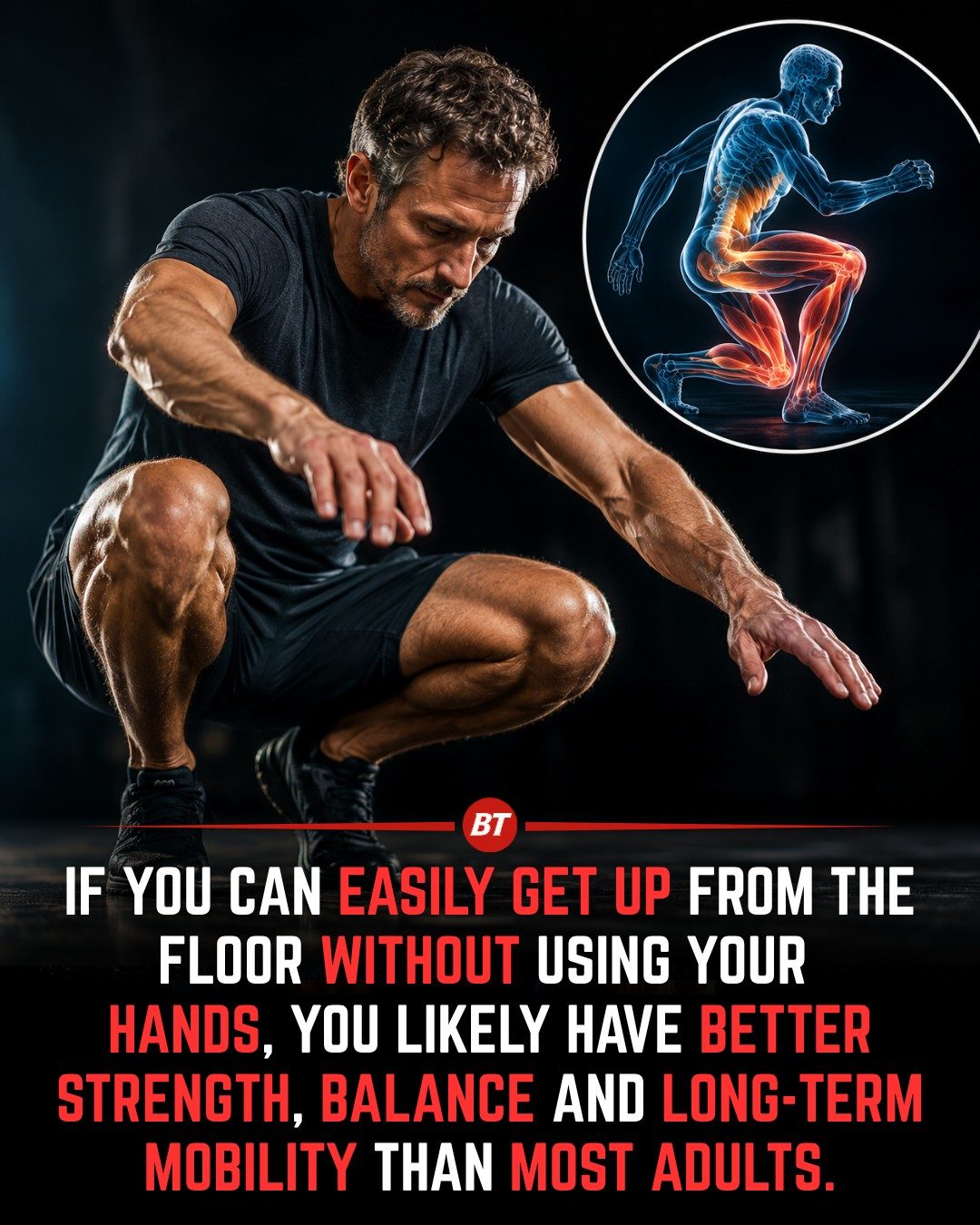
Floor Mobility Exercise
The ability to sit down on the floor and stand back up without using your hands, knees, or any nearby support might seem like a simple action, but it's a powerful indicator of your overall strength, balance, and long-term mobility. This movement engages multiple systems in the body, making it a comprehensive assessment of physical function. Let's delve into why this exercise matters, what it reveals about your body, and how you can improve your performance.
Why This Matters
Aging and Mobility
As we age, maintaining physical independence and mobility becomes increasingly important. The ability to get up from the floor without assistance is closely linked to overall health and longevity. Research has shown that this simple movement assessment can provide valuable insights into your physical function and how well you are aging.
Fall Prevention
Falls are a significant risk for adults, especially as they get older. The ability to sit and stand from the floor involves coordination, balance, and strength—all crucial for fall prevention. By improving these qualities, you can reduce the risk of falls and maintain your independence for longer.
Comprehensive Physical Assessment
Getting up from the floor isn't just a test of strength; it's a comprehensive assessment of your body's coordination, stability and flexibility. Your muscles need to generate force, your joints must move freely, your nervous system must coordinate the movement, and your balance system must keep you stable. This exercise highlights any weaknesses in these areas, providing a clear snapshot of your current physical capabilities.
Understanding the Movement
Key Qualities Involved
Several key qualities are essential for performing this exercise effectively:
- Leg Strength: Strong legs are crucial for pushing off the floor and standing up.
- Core Stability: A stable core helps maintain balance and control during the movement.
- Balance: Good balance is necessary to stay upright and avoid falling.
- Mobility: Flexible joints and a wide range of motion allow for smooth, controlled movements.
- Coordination: The ability to synchronize different muscle groups and systems is vital for executing the movement.
- Flexibility: Flexible muscles and joints make it easier to transition from sitting to standing.
Science Behind the Exercise
Studies have shown that the ability to perform this movement is closely linked to overall physical function and healthy aging. It requires multiple systems working together, making it a reliable indicator of your body's condition. By assessing your performance, you can identify areas that need improvement and take steps to enhance your physical capabilities.
Benefits of Improving Performance
Improving your ability to get up from the floor can have multiple long-term benefits. Regular movement, resistance training, walking, and balance exercises can help preserve the qualities needed for this exercise. By maintaining and improving these abilities, you can:
- Enhance your overall strength and flexibility
- Improve your balance and coordination
- Reduce the risk of falls and injuries
- Maintain independence and mobility for longer
Practical Tips for Improvement
Gradual Progression
If you find it difficult to get up from the floor without using your hands, don't worry. Start by practicing the movement gradually. Try to reduce your dependence on your hands over time. Break the movement down into smaller steps and focus on mastering each one before moving on to the next.
Strength Training
Incorporate strength training exercises that target your legs, core, and overall body. Focus on compound movements like squats, lunges, and deadlifts, which engage multiple muscle groups. These exercises will help build the strength and stability needed for getting up from the floor.
Balance Exercises
Balance exercises are crucial for maintaining stability and preventing falls. Incorporate exercises like single-leg stands, heel-to-toe walks, and balance board activities into your routine. These exercises will help improve your balance and coordination, making it easier to perform the floor mobility exercise.
Flexibility and Mobility
Flexibility and mobility are essential for smooth, controlled movements. Incorporate stretching and mobility exercises into your routine to improve your range of motion. Focus on your hips, knees, and ankles, as these joints are particularly important for getting up from the floor.
Core Stability
A strong core is vital for maintaining balance and control during the movement. Incorporate core-strengthening exercises like planks, Russian twists, and bicycle crunches into your routine. These exercises will help improve your core stability and overall body control.
Important Takeaways
Regular Assessment
Regularly assess your ability to get up from the floor. This exercise provides a valuable snapshot of your current mobility and can help you identify areas for improvement. Use it as a benchmark to track your progress over time.
Holistic Approach
Improving your performance in this exercise requires a holistic approach. Focus on building strength, balance, and flexibility, and engage in regular movement and resistance training.
Importance of Consistency
Consistency is key when it comes to maintaining and improving your physical capabilities. Regular practice and gradual progression will help you achieve your goals and maintain your independence for longer.
Long-Term Benefits
By focusing on your physical abilities and maintaining a healthy lifestyle, you can enjoy long-term benefits. Improved strength, balance, and mobility will enhance your overall quality of life and help you stay active and independent for years to come.
Conclusion
The ability to sit down on the floor and stand back up without using your hands is a powerful indicator of your overall physical function and healthy aging. By understanding the key qualities involved and incorporating practical tips for improvement, you can enhance your performance and enjoy the long-term benefits of better strength, balance, and mobility.
Watch the Reel
Questions readers ask
How does the floor test help in assessing my physical capabilities?
The floor test evaluates your overall strength, balance, and mobility by challenging your leg strength, core stability, and balance. It provides a practical indicator of your body's functional capabilities, making it a useful assessment tool for various age groups.
Why is the no hands floor test important for seniors?
For seniors, the no hands floor test is crucial as it mirrors everyday activities and helps predict the risk of falls. It assesses their ability to maintain independence and mobility, which are vital for their overall well-being and quality of life.
What does the floor test reveal about my long-term mobility?
The floor test serves as a predictor of long-term mobility and longevity. It can indicate potential declines in physical capabilities, allowing you to take proactive measures to maintain or improve your strength, balance, and overall mobility.
Can the floor test help in assessing core stability?
Yes, the floor test engages your core muscles as you sit down and stand back up, providing insights into your core stability. It helps you understand if your core is supporting your body effectively during common movements.
Is the floor test suitable for all ages?
Yes, the floor test is suitable for all ages, from young adults to seniors, making it a versatile assessment tool. Its simplicity makes it accessible to most people, and it can help track physical capabilities across different life stages.
How can I improve my performance in the floor test?
To improve your performance, focus on exercises that strengthen your legs, core, and balance. Incorporate exercises like squats, lunges, planks, and balance exercises into your routine. Regular practice of the floor test movement can also help enhance your performance over time.
Related deep dives
Similar reads based on topic and creator.




Recent articles
Fresh deep dives from the latest Reels we unpacked.




Comments
Be the first to comment.