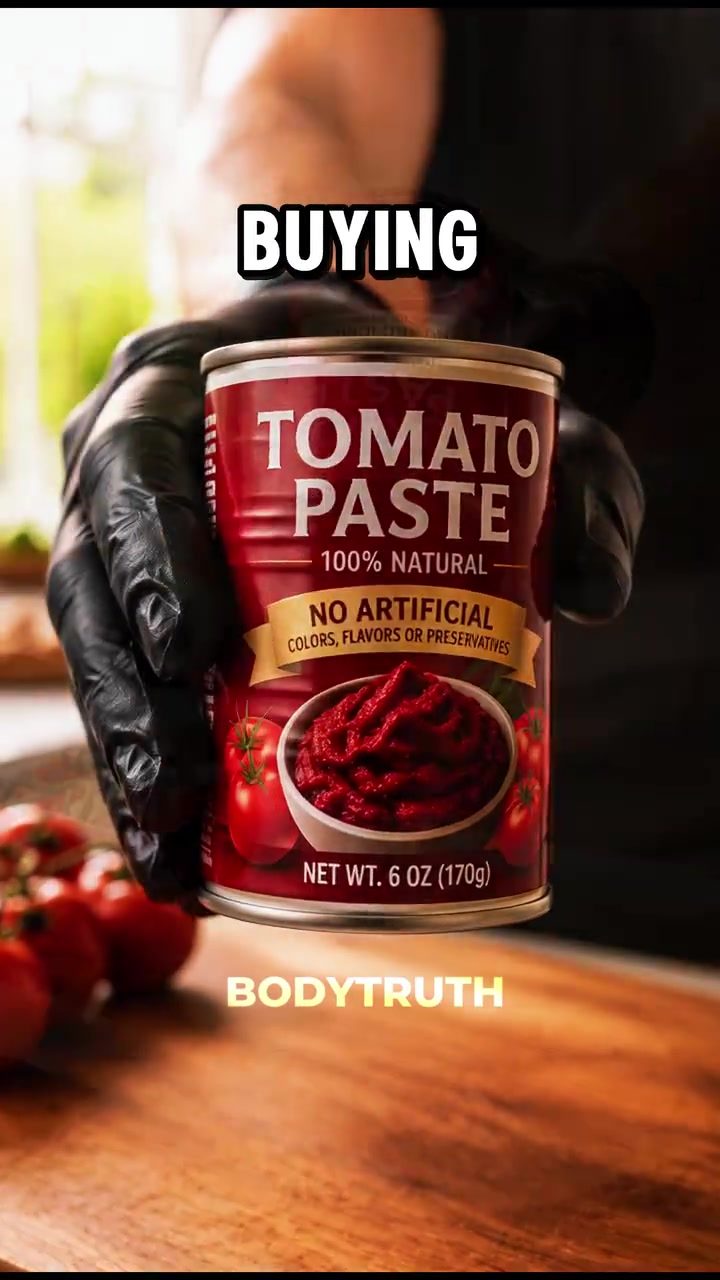
Homemade Tomato Paste: A Richer, Fresher Alternative
Making your own tomato paste at home is not only surprisingly simple but also yields a richer, more flavorful product than store-bought varieties. With just a few ingredients and some patience, you can create a deeply concentrated tomato paste that elevates a wide range of dishes, from soups and stews to sauces, pizza, pasta, chili, and more. Here's a comprehensive guide to transforming fresh tomatoes into a pantry staple that's both healthier and more delicious.
Why Make Your Own Tomato Paste?
Store-bought tomato paste often contains artificial colors, flavors, and preservatives, which can compromise the natural flavor of the tomatoes. By making tomato paste at home, you can ensure that your paste is free from these additives and packed with genuine tomato flavor. Homemade tomato paste is also incredibly versatile and can be used in a variety of recipes, making it a cost-effective choice in the long run.
Ingredients and Preparation
To start, you'll need a few key ingredients and some basic kitchen equipment. Here's what you'll need:
- 8 pounds (3.5 kg) ripe Roma tomatoes (or other paste tomatoes)
- 1 teaspoon sea salt (optional)
- 2–3 tablespoons extra-virgin olive oil (for preserving)
Step-by-Step Instructions
-
Prepare the Tomatoes: Wash the tomatoes thoroughly and cut them in half. Remove most of the seeds, as they can make the paste bitter.
-
Cook the Tomatoes: Place the halved tomatoes into a large pot and cook over medium heat for about 25–30 minutes, stirring occasionally. The goal is to soften the tomatoes completely.
-
Blend the Tomatoes: Once the tomatoes are softened, blend them until smooth. This will create a purée that is easier to strain and cook down.
-
Strain the Purée: Pass the blended purée through a fine-mesh sieve or food mill. This step removes the skins and any remaining seeds, ensuring a smooth and consistent texture.
-
Reduce the Purée: Return the strained purée to the pot and simmer over low heat for 1½–2½ hours. Stir frequently to prevent burning, and continue cooking until the mixture has reduced significantly and become very thick.
-
Bake the Paste: Spread the thick tomato mixture onto a parchment-lined baking tray in an even layer, about ¼ inch (6 mm) thick. Bake at 200°F (95°C) for 2–3 hours, stirring every 30–45 minutes. Continue baking until the paste becomes dark red, thick, and spreadable.
-
Cool and Store: Let the tomato paste cool completely. Once cooled, transfer it to a clean glass jar. Smooth the surface and pour a thin layer of olive oil over the top to help preserve freshness. Store the paste in the refrigerator and use within 2–3 weeks, or freeze portions for longer storage.
The Benefits of Homemade Tomato Paste
Natural Flavor and Quality
One of the primary benefits of making your own tomato paste is the natural, rich flavor that comes from using fresh, ripe tomatoes. Store-bought tomato paste often contains added sugars, salts, and preservatives. By making it at home, you can control the quality of the ingredients and ensure a more genuine taste.
Cost-Effective and Sustainable
Making a larger batch of tomato paste means you'll always have a flavorful pantry staple ready whenever you need it. This can be more cost-effective in the long run, as you won't need to purchase smaller, more expensive cans or jars of tomato paste. Additionally, using fresh, local tomatoes can be a more sustainable choice.
Versatility in Cooking
Homemade tomato paste is incredibly versatile and can be used in a wide range of recipes. Whether you're making a hearty tomato sauce for pasta, a rich stew, or a flavorful pizza sauce, homemade tomato paste will add a depth of flavor that store-bought versions often lack.
Practical Tips for Making Tomato Paste
Choosing the Right Tomatoes
Selecting the right type of tomatoes is crucial for making a flavorful paste. Roma tomatoes, also known as paste tomatoes, are ideal because they have fewer seeds and a meatier texture, which results in a richer paste.
Simmering and Reducing
The key to a thick and flavorful tomato paste is the simmering and reducing process. Cooking the tomato purée over low heat for an extended period allows the water to evaporate, concentrating the flavors and thickening the paste.
Preserving the Paste
To extend the shelf life of your homemade tomato paste, it's essential to store it properly. After cooling, transfer the paste to a clean glass jar and cover the surface with a thin layer of olive oil. The oil creates a barrier that prevents air from reaching the paste, helping to preserve its freshness.
Important Takeaways
- Rich and Fresh: Homemade tomato paste is packed with natural tomato flavor and is free from artificial additives.
- Versatile: Use it in a variety of dishes, from sauces and stews to pizza and pasta.
- Cost-effective: Making a larger batch ensures you always have a flavorful pantry staple ready.
- Easy to Make: With a few simple ingredients and some patience, you can create a deeply concentrated tomato paste at home.
Conclusion
Homemade tomato paste is a game-changer in the kitchen. Not only is it richer and fresher than store-bought varieties, but it's also surprisingly simple to make. By following the steps outlined above, you can create a deeply concentrated tomato paste that elevates your cooking and adds a burst of natural flavor to your favorite dishes. Once you've tried it, you'll never go back to store-bought tomato paste again.
Watch the Reel
Questions readers ask
What are the benefits of making homemade tomato paste?
Homemade tomato paste offers several benefits. It is free from artificial additives commonly found in store-bought varieties, allowing the natural tomato flavor to shine. Additionally, it is a cost-effective way to use ripe, fresh tomatoes and create a versatile pantry staple that can enrich a wide range of dishes.
What type of tomatoes should I use for making tomato paste?
For the best results, use ripe, fresh tomatoes that are in season. Roma or plum tomatoes are excellent choices due to their meaty texture and low moisture content, which makes them ideal for concentrating into a rich paste.
Can I use canned tomatoes to make tomato paste?
While it's possible to use canned tomatoes, fresh tomatoes will yield a more flavorful and natural tomato paste. Canned tomatoes may contain added salt or preservatives, which can affect the final taste and quality of your homemade paste.
How long does homemade tomato paste last?
Homemade tomato paste can be stored in the refrigerator for up to a week. For longer storage, you can freeze it in ice cube trays or small containers for up to 3 months. This makes it convenient to portion out and use as needed in various recipes.
What is the best way to store homemade tomato paste?
Once your tomato paste has cooled, you can store it in an airtight container in the refrigerator. For longer-term storage, transfer the paste into small freezer-safe containers or ice cube trays, then freeze. Thaw individual portions as needed for your recipes.
How can I use homemade tomato paste in my cooking?
Homemade tomato paste can be used in virtually any recipe that calls for tomato paste, such as soups, stews, sauces, pasta dishes, chili, and even pizza. Its concentrated flavor can enhance the taste of your dishes, making it a versatile ingredient to have on hand.
Recent articles
Fresh deep dives from the latest Reels we unpacked.




Comments
Be the first to comment.