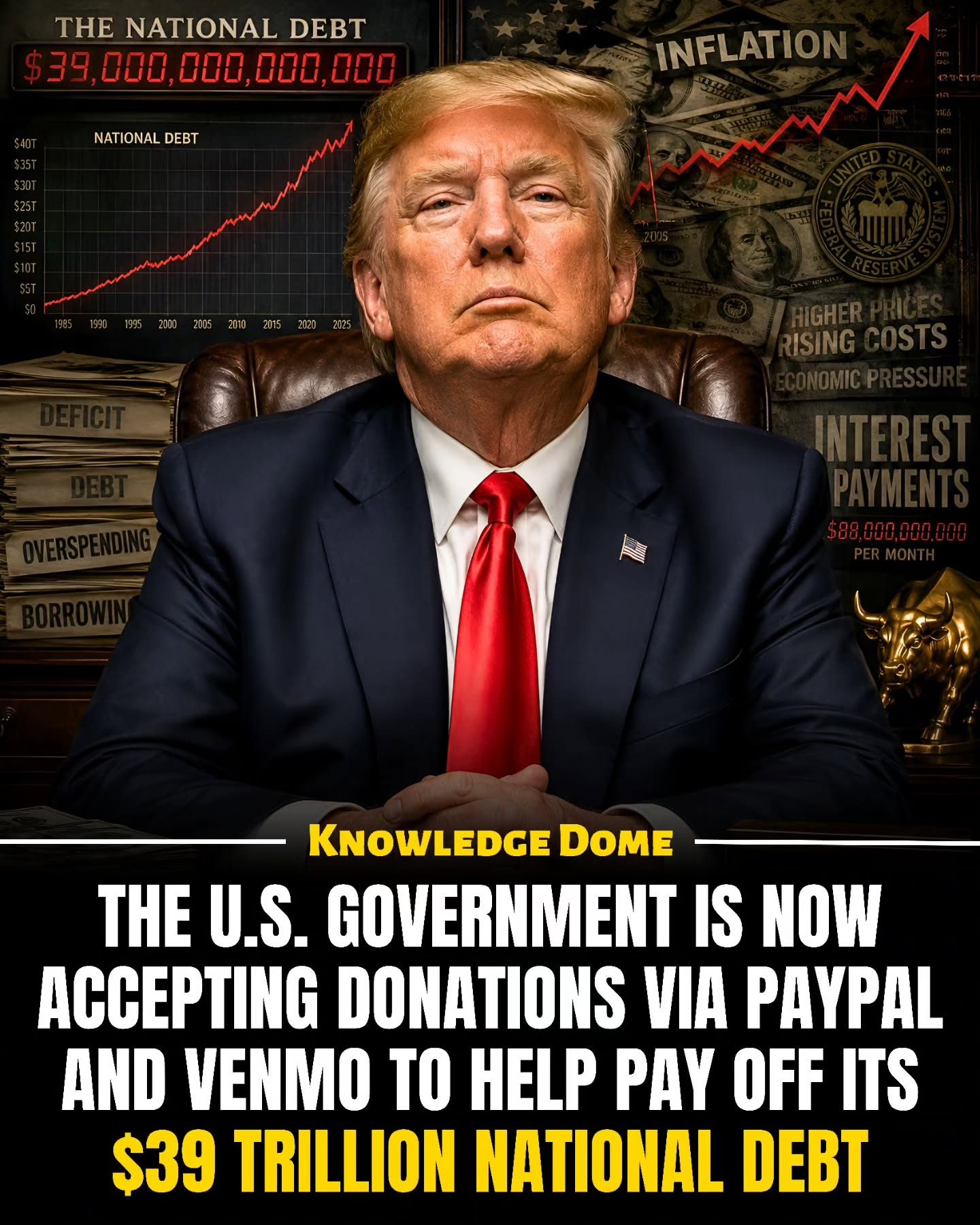
National Debt and Economy
The U.S. national debt is a critical economic issue, and recent updates to the Pay.gov portal allow individuals to make voluntary donations via Venmo and PayPal. This program, known as "Gifts to Reduce the Public Debt," has been in existence since 1961, but the financial realities and the scale of the national debt are far more complex than a simple donation program could resolve.
Why This Matters
Understanding the national debt and its implications is crucial. The national debt affects everyone, from interest rates on loans to the overall economic stability of the country. Higher national debt can lead to increased interest payments, reduced investment in public services, and potential economic instability. By taking a closer look at the mechanisms in place, such as the Pay.gov portal and the "Gifts to Reduce the Public Debt" program, we can better understand the challenges and the efforts being made to address them.
The Scale of the National Debt
The national debt has grown significantly over the decades. As of recent figures, it stands at approximately 39 trillion dollars, a staggering sum. This debt is projected to continue rising, reaching a projected 40 trillion dollars by 2025.
Historical Context
The national debt has been a persistent issue for decades. The graph displayed in the visual summary highlights the steady increase in debt from 1985 to 2025. This historical perspective underscores the long-term nature of the problem and the challenges faced by successive administrations in managing it.
Interest Payments and Economic Impact
One of the most consequential aspects of the national debt is the interest payments. The U.S. government pays about 88 billion dollars in interest every month. This figure far exceeds the average monthly voluntary donations, which amount to around 120,000 dollars. Over the years, since 1996, total donations have only reached about 67 million dollars, a fraction of the total debt and interest payments.
The Role of Voluntary Donations
Voluntary donations, while appreciated, play a minor role in the broader debt management strategy. The "Gifts to Reduce the Public Debt" program, which began in 1961, allows individuals to contribute to reducing the national debt. The recent update enabling donations through Venmo and PayPal aims to modernize this approach, making it more accessible to a wider audience.
How to Donate
Anyone interested in contributing can review the official program rules on the U.S. Treasury Pay.gov portal. The portal provides clear instructions on how to make a donation, whether through traditional methods or newer digital platforms like Venmo and PayPal.
Practical Tips for Understanding the National Debt
Understanding the national debt and its implications can be intimidating, but there are practical steps to gain a clearer perspective:
- Stay Informed: Keep up with the latest economic news and government reports on the national debt.
- Use Reliable Sources: Rely on trusted sources for information, such as the U.S. Treasury and reputable financial news outlets.
- Engage in Discussion: Participate in community discussions about the national debt and its impact on public services and the economy.
Important Takeaways
The national debt is a multifaceted issue with significant economic implications. While voluntary donations, such as those facilitated through the "Gifts to Reduce the Public Debt" program, are a small part of the solution, they do not address the larger challenge of managing the debt. It is essential to understand the scale of the debt, the interest payments involved, and the broader economic context.
Conclusion
The national debt is a critical issue that affects everyone. Recent updates to the Pay.gov portal, allowing donations through Venmo and PayPal, modernize an existing program but do not solve the broader debt problem. Understanding the national debt, its historical context, and the role of voluntary donations can help individuals better grasp the economic challenges and the efforts being made to address them. For those interested in contributing, reviewing the official program rules and making a donation through the U.S. Treasury Pay.gov portal are practical steps to take.
Watch the Reel
Questions readers ask
How can I contribute to reducing the U.S. national debt through Venmo and PayPal?
The U.S. Treasury Department's 'Gifts to Reduce the Public Debt' program has updated their online portal to allow individuals to make voluntary donations through Venmo and PayPal. This initiative has been in place since 1961, and you can participate by visiting Pay.gov, choosing the donation option, and selecting your preferred payment method.
How significant are individual donations in reducing the national debt?
While individual donations are appreciated and contribute to the national debt reduction effort, it's important to recognize that the national debt is a vast and complex issue. The nearly 39 trillion dollars in debt means that even large-scale donations, including those facilitated through Venmo and PayPal, may only serve as a small step towards resolution.
What are the benefits of donating to the national debt through Venmo and PayPal?
Donating through Venmo and PayPal offers a convenient and accessible way for individuals to contribute to national debt reduction. By donating through these platforms, individuals can make a tangible impact on the national debt, and the process is streamlined and user-friendly. However, it is essential to consider that the primary impact of donations is symbolic, rather than financial.
Can donating to the national debt help improve the economy?
Donating to the national debt can help mitigate some of the economic impacts of high debt levels, such as interest payments. However, the primary drivers of economic stability are broader fiscal policies, government spending, and monetary decisions, which are beyond the scope of individual donations. Donations can help reduce the overall debt, but they are not a comprehensive solution.
What are the alternatives to donating to the national debt through Venmo and PayPal?
If you are looking for other ways to contribute to the national debt, you can consider advocating for fiscal policies that prioritize responsible spending and debt reduction. Additionally, you can support advocacy groups and organizations that promote financial transparency and accountability in government spending. The national debt is a multifaceted issue, and individual contributions can take various forms, beyond monetary donations.
Are there any tax benefits associated with donating to the national debt?
While donations to the U.S. national debt can be a fulfilling way to contribute to the country's financial stability, it is important to note that they are not tax-deductible. The primary impact of these donations is symbolic and helps to reduce the overall national debt, rather than providing personal financial benefits.
Recent articles
Fresh deep dives from the latest Reels we unpacked.




Comments
Be the first to comment.