Produce Cleaning
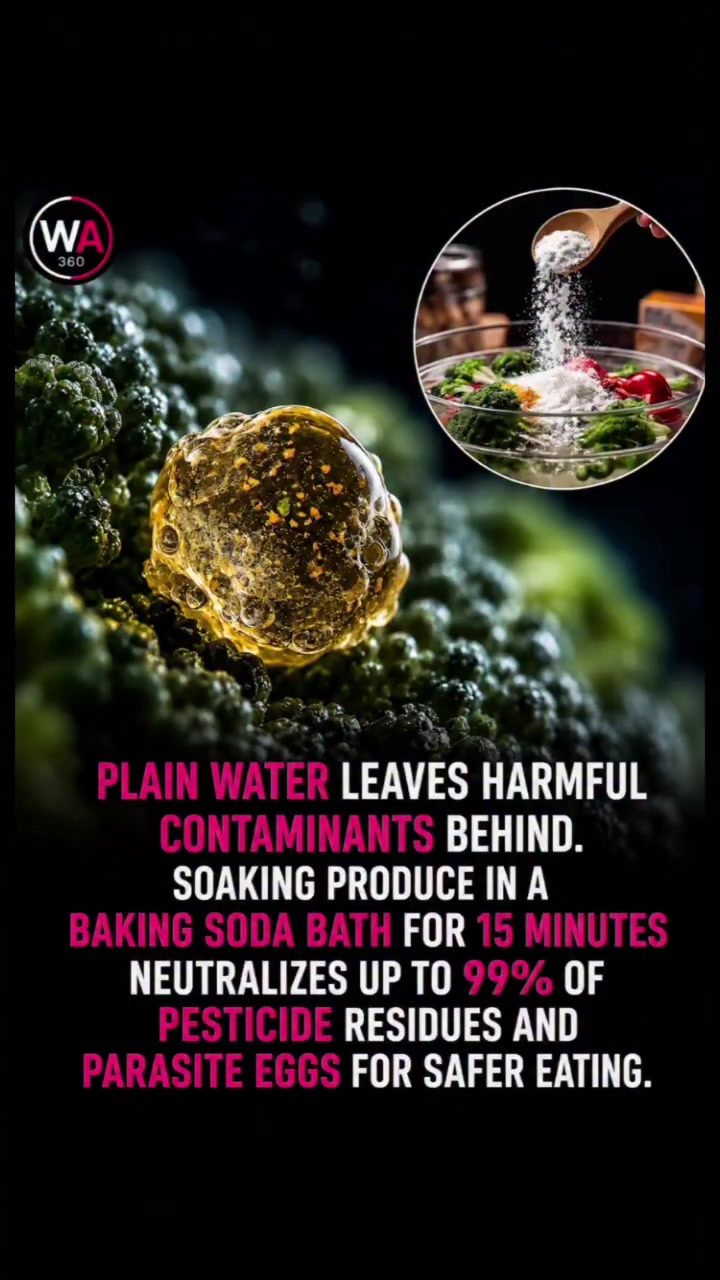
Rinsing fruits and vegetables under cold water is a standard practice for removing visible dirt, but it's not enough to eliminate all contaminants. A simple yet effective method involves using a baking soda solution to break down and neutralize surface residues, making your produce safer to eat.
Why This Matters
Even after a thorough rinse, produce can retain traces of pesticides and other contaminants. These residues can pose health risks, especially if consumed regularly. By implementing a simple baking soda soak, you can significantly reduce these harmful substances.
Main Discussion
The Limitations of Plain Water
Plain water is effective at removing visible dirt and grime, but it falls short in dealing with microscopic contaminants. Many fruits and vegetables are treated with pesticides and other chemicals to control pests and diseases. Even after washing, these substances can linger on the surface, potentially causing health issues over time.
The Power of Baking Soda
Baking soda, or sodium bicarbonate, is a mild alkali that can help break down and neutralize certain contaminants. When mixed with water, it creates a solution that effectively removes pesticide residues and parasite eggs from produce. This method is particularly useful for removing stubborn contaminants that plain water cannot.
How Baking Soda Works
Baking soda works by altering the pH of the solution, making it more alkaline. This change in pH helps to break down the chemical bonds of pesticides and other contaminants, making them easier to rinse off. The process also helps to neutralize any remaining residue, ensuring a safer eating experience.
The Soaking Method
To properly clean your produce with baking soda, follow these steps:
- Prepare the Solution: Mix 1 teaspoon of baking soda per 2 cups of cool water. Stir until the baking soda is completely dissolved.
- Soak the Produce: Submerge your fruits and vegetables in the baking soda solution for 12-15 minutes. This allows enough time for the solution to break down and neutralize surface contaminants.
- Rinse Thoroughly: After soaking, rinse the produce thoroughly under running water. This step removes any remaining solution and contaminants.
Practical Tips
Choosing the Right Produce
Not all fruits and vegetables are created equal when it comes to contamination. Produce with thin skins, such as berries and leafy greens, are particularly susceptible to absorbing pesticides. Always prioritize these items for a thorough cleaning.
Storing Produce
Once cleaned, store your produce properly to maintain freshness and safety. Keep fruits and vegetables in airtight containers in the refrigerator to prevent recontamination.
When to Use the Soaking Method
While the baking soda soak is effective, it may not be necessary for all produce. For items with thick skins, such as bananas or oranges, a simple rinse under running water may be sufficient. However, for items with thin skins or a high surface area, like lettuce or apples, the soaking method is highly recommended.
Additional Cleaning Methods
While baking soda is a powerful tool, there are other methods to consider:
- Vinegar Rinse: A vinegar rinse can also be effective in removing contaminants. Mix 1 part vinegar to 3 parts water and soak your produce for a few minutes before rinsing. Vinegar is acidic and can help break down pesticides and bacteria.
- Commercial Produce Wash: There are commercial produce washes available on the market. These products are specifically designed to remove contaminants and can be a convenient option for those who prefer a ready-made solution.
Important Takeaways
- Plain Water Is Not Enough: Rinsing produce under cold water alone is not sufficient to remove all contaminants.
- Baking Soda Soak: A 12-15 minute soak in a baking soda solution can effectively neutralize pesticide residues and parasite eggs.
- Choose Appropriately: Prioritize items with thin skins or high surface areas for thorough cleaning.
- Explore Alternatives: Consider other methods, such as a vinegar rinse or commercial produce wash, for added protection.
Conclusion
Cleaning produce with a baking soda solution is a simple yet effective way to ensure your fruits and vegetables are safe to eat. By taking a few extra minutes to soak your produce, you can significantly reduce harmful contaminants and enjoy a healthier diet.
Watch the Reel
Questions readers ask
What is the best way to dissolve baking soda for a produce wash?
To create an effective baking soda produce wash, mix 1 teaspoon of baking soda with 2 cups of water. Stir until the baking soda is fully dissolved to ensure even cleaning power.
How long should produce soak in a baking soda solution?
For optimal results, soak your fruits and vegetables in the baking soda solution for 5-15 minutes. This duration allows the solution to break down and neutralize contaminants effectively.
Can I reuse the baking soda solution for multiple uses?
It is not recommended to reuse the baking soda solution. Over time, the solution becomes contaminated with residues from the produce, reducing its effectiveness and possibly spreading bacteria.
Is a baking soda produce wash safe for all types of produce?
A baking soda wash is generally safe for most fruits and vegetables. However, it may affect the texture of certain delicate items, such as soft fruits. Always rinse thoroughly after soaking to remove any residue.
Why is baking soda effective in removing pesticides from produce?
Baking soda is effective in removing pesticides due to its alkaline nature. When mixed with water, it creates a solution that breaks down and neutralizes pesticide residues, making it easier to rinse away.
Can I use a baking soda wash on organic produce?
Yes, a baking soda wash can be used on organic produce. Even organic farming practices may involve the use of natural pesticides, and washing with a baking soda solution can help remove any residual substances. It also helps to eliminate any potential contaminants picked up during handling and transportation.
Related deep dives
Similar reads based on topic and creator.




Recent articles
Fresh deep dives from the latest Reels we unpacked.




Comments
Be the first to comment.