Choosing Healthy Cooking Oils and Ground Beef
Cooking oils and ground beef are staples in many kitchens, but not all products are created equal. The quality of these ingredients can significantly impact your health, energy, and performance. By making informed choices, you can enhance your overall well-being without overhauling your entire diet.
Why This Matters
The products you buy every week play a crucial role in how you feel, perform, and recover. Foods like bread, milk, and beef, as well as personal care items like soap and body wash, all contribute to your overall health. Opting for minimally processed foods with simple ingredient lists can make a substantial difference in your energy levels and body composition. Prioritizing quality protein sources and choosing cooking oils that align with your goals are essential steps in this journey.
Making Better Choices
Understanding Cooking Oils
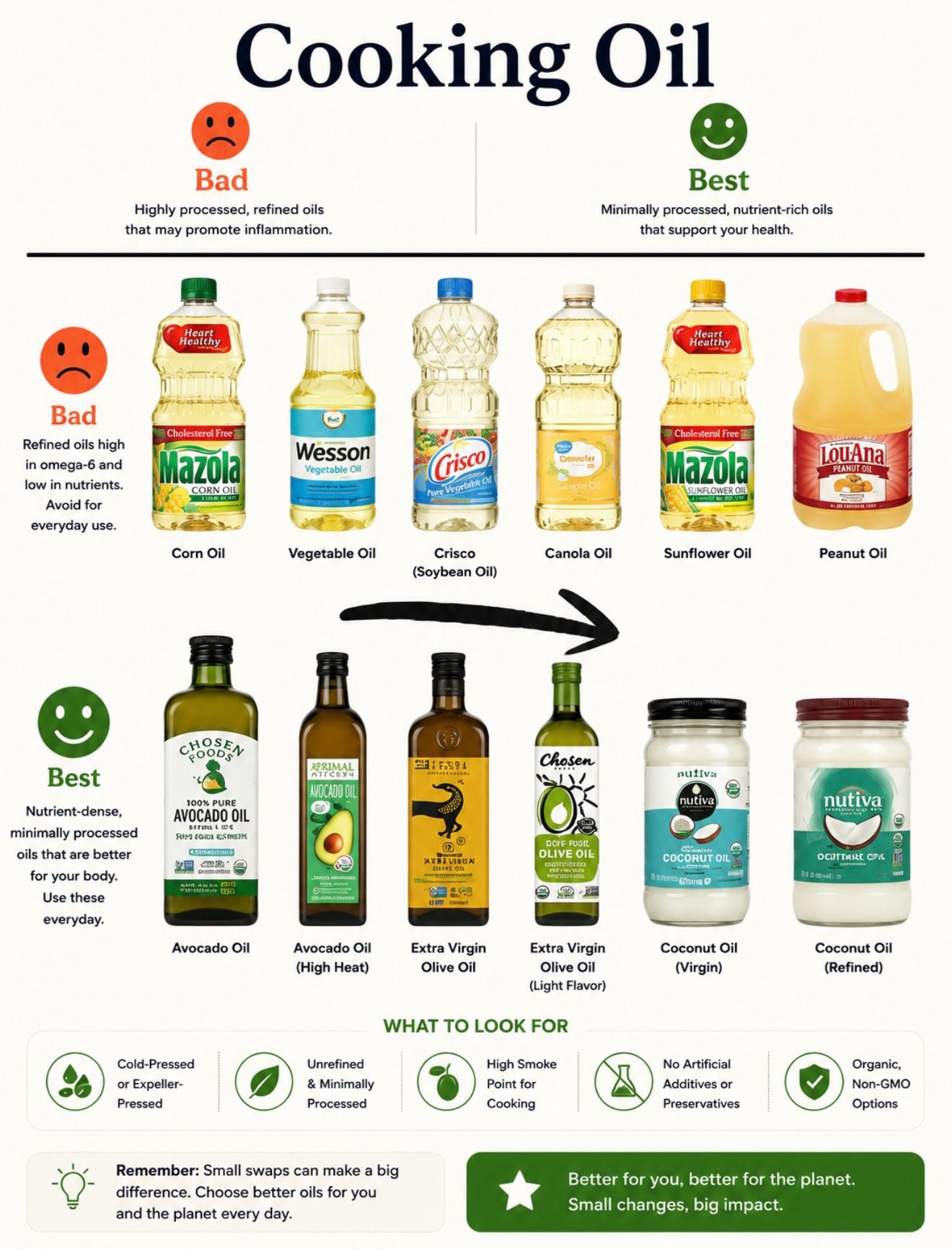
Choosing the right cooking oil involves considering its processing methods, nutritional value, and smoke point. Here’s a breakdown of what to look for:
Types of Cooking Oils
Bad: Oils that are highly processed and contain additives or artificial flavors. These oils often have a lower nutritional value and may contain trans fats, which can negatively impact your health. Examples might include some types of Mazola and Crisco.
Better: Oils with some processing but fewer additives. These oils offer a middle ground and can be a step up from highly processed options. For instance, regular olive oil can be a more healthful option than some of the highly processed oils.
Best: Oils that are minimally processed and retain their natural nutrients. Extra virgin olive oil is an excellent example, known for its heart-healthy benefits and high smoke point, making it suitable for everyday cooking.
Key Factors to Consider
- Processing: Opt for oils that are minimally processed to retain their natural nutrients.
- Ingredient List: Look for oils with simple ingredient lists, ideally just one ingredient.
- Nutritional Value: Choose oils that offer heart-healthy fats and other essential nutrients.
- Smoke Point: Consider the smoke point, especially if you’re cooking at high temperatures. A high smoke point ensures the oil doesn't break down and release harmful compounds when heated.
Ground Beef: Quality Matters
Ground beef is a versatile protein source, but its nutritional value can vary significantly based on its origin and processing methods. Here’s how to make better choices:
Types of Ground Beef
Bad: Conventional ground beef, often sourced from grain-fed cattle, tends to have lower nutritional value. These types may contain more saturated fats and fewer beneficial nutrients.
Better: Ground beef from grass-fed cattle offers a middle ground. While it may still have some processing, it generally contains more omega-3 fatty acids and vitamins compared to conventional options.
Best: Grass-fed and grass-finished ground beef is the top choice. These cattle are raised and finished on a diet of grass, resulting in meat that is higher in nutrients like omega-3 fats and conjugated linoleic acid (CLA). Examples might include ground beef from brands like Butcher and All Natural.
Key Factors to Consider
- Origin: Look for grass-fed ground beef, whether it’s grass-finished or not.
- Additives: Opt for ground beef with minimal additives and artificial flavors.
- Processing: Choose ground beef that is as minimally processed as possible to retain its natural nutrients.
Practical Tips
At the Grocery Store
- Read Labels: Always check the ingredient list and nutritional information. Minimally processed foods with simple ingredient lists are generally better choices.
- Compare Options: When comparing products, consider the processing methods and nutritional value. Opt for oils with high smoke points for everyday cooking and grass-fed ground beef for better nutritional benefits.
- Try New Brands: Don’t be afraid to experiment with different brands. Local butcher shops and specialty stores often carry higher-quality products.
In the Kitchen
- Experiment with Oils: Different oils have different smoke points and flavors. Use extra virgin olive oil for dressings and lower-heat cooking, and opt for oils like canola or avocado oil for high-heat cooking.
- Cook Wisely: When cooking ground beef, avoid overcooking to retain its nutritional value. Use gentle cooking methods like slow cooking or sautéing at lower temperatures.
- Meal Prep: Plan your meals for the week and buy ingredients accordingly. This ensures you have the right products on hand and reduces the temptation to opt for less healthy alternatives.
In Daily Life
- Small Swaps: Make small, consistent swaps in your daily choices. Over time, these small changes can lead to significant improvements in your health and well-being.
- Stay Mindful: Be mindful of what you put on your skin as well as what you consume. The products you use daily can also impact your overall health.
- Consult Experts: If you’re unsure about specific products, consult with a nutritionist or healthcare provider. They can offer personalized advice tailored to your dietary needs and health goals.
Important Takeaways
- Choose Wisely: Opt for minimally processed cooking oils and grass-fed, grass-finished ground beef to enhance your overall health.
- Quality Matters: Prioritize quality protein sources and cooking oils that fit your goals and preferences.
- Consistency Wins: Small, consistent choices can lead to significant improvements in your energy, body composition, and overall well-being.
Conclusion
The products you buy and use every day can significantly influence your health, performance, and recovery. By making informed choices about cooking oils and ground beef, you can improve your diet and overall well-being. Focus on quality, processing methods, and nutritional value to make the best choices for your health.
Watch the Reel
Questions readers ask
What are the benefits of using extra virgin olive oil for cooking?
Extra virgin olive oil is rich in monounsaturated fats and antioxidants. It's best for low to medium-heat cooking, such as sautéing or dressing salads. Regular consumption of this oil can potentially reduce inflammation and lower the risk of chronic diseases.
How can I identify high-quality ground beef?
Look for ground beef that is minimally processed and has a simple ingredient list. Opt for grass-fed or organic varieties when possible, as these tend to have better nutritional profiles. Additionally, check the color—it should be bright red, not brown or gray.
What are some healthy cooking oils besides extra virgin olive oil?
Other healthy cooking oils include avocado oil, which has a high smoke point and is great for high-heat cooking. Also consider coconut oil for its unique flavor and benefits like medium chain triglycerides, and flaxseed oil for its omega 3 content, but it should be used cold or in low-heat situations.
What should I avoid when choosing cooking oils?
Avoid oils that are highly processed, such as canola oil, soybean oil or vegetable oil. Also, steer clear of oils that have been partially hydrogenated, as these contain trans fats, which can negatively impact your health.
How does the quality of ground beef affect my overall health?
High-quality ground beef can provide essential nutrients like protein, iron, and B vitamins. Opting for leaner cuts (90% or leaner) can help reduce saturated fat intake and maintain a healthier body composition.
What are the health benefits of choosing minimally processed foods like cooking oils?
Minimally processed foods retain more of their natural nutrients and are less likely to contain harmful additives. This can lead to better digestion, increased energy levels, and improved overall health.
How does the source of ground beef impact its nutritional content?
Ground beef from grass-fed cattle tends to have a better ratio of omega-3 to omega-6 fatty acids compared to grain-fed beef. Additionally, grass-fed beef may contain higher levels of certain vitamins and antioxidants, making it a more nutritious choice.
Recent articles
Fresh deep dives from the latest Reels we unpacked.




Comments
Be the first to comment.