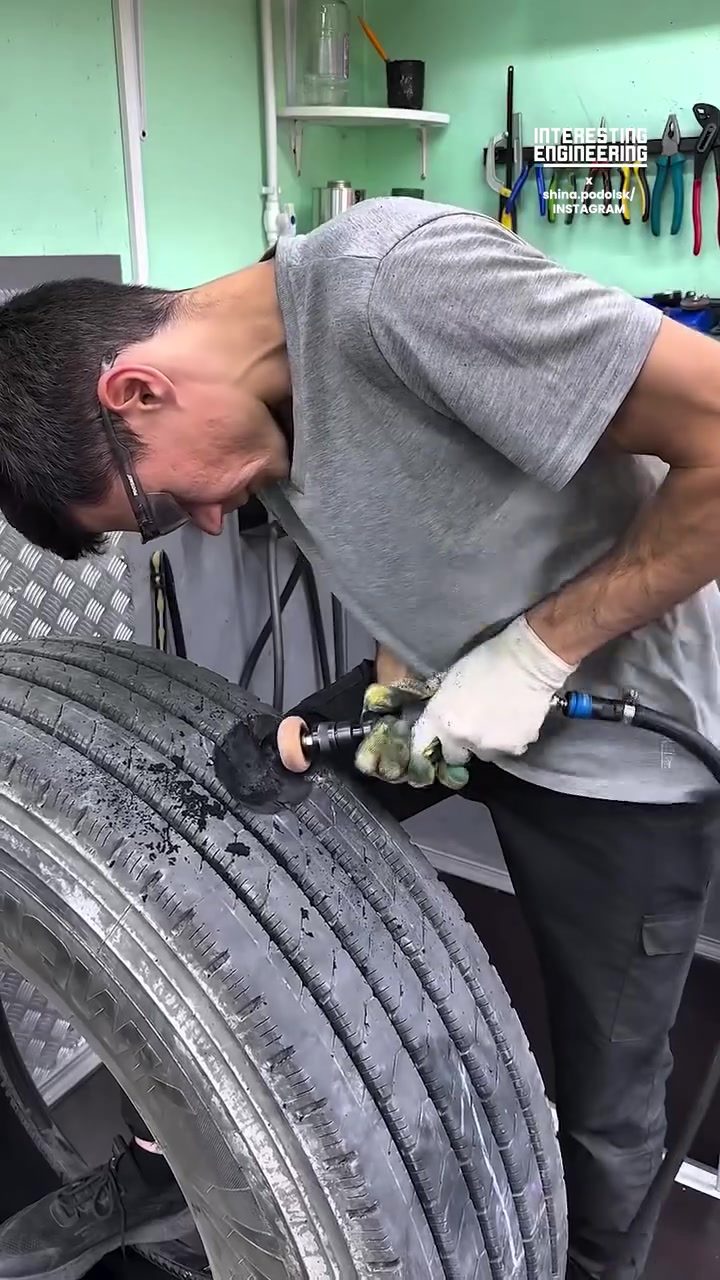
Hot Vulcanization Tire Repair: A Detailed Look
Hot vulcanization tire repair is a robust method used to restore damaged truck tire treads. This process involves using heat and uncured rubber to permanently bond new material, restoring the tire's strength, safety, and original tread design.
Context
Truck tires endure significant wear and tear, making repairs essential for maintaining safety and performance. Hot vulcanization is a proven technique for repairing heavy-duty tires, ensuring that they remain reliable and durable.
Main Discussion
Understanding Hot Vulcanization
Hot vulcanization is a specialized repair method that involves several critical steps. The damaged tread area of the tire is first removed. This step is crucial as it prepares the tire for the repair process. The area is then heated, which activates the uncured rubber. This rubber is applied to the damaged area and molded to match the original tread pattern.
The Science Behind the Repair
The heat used in this process is not just for softening the rubber; it also plays a critical role in the chemical bonding process. When the uncured rubber is heated, it undergoes a chemical reaction known as vulcanization. This process permanently bonds the new rubber to the existing tire, creating a strong and durable repair. The heat ensures that the new material integrates seamlessly with the old, restoring the tire's structural integrity.
The Tools and Materials
The tools used in hot vulcanization are specialized and designed to handle the high temperatures involved. A spray and a grid-like tool are commonly used to apply and press the uncured rubber into the damaged area. These tools ensure that the rubber is applied evenly and that it adheres properly to the tire.
Strength and Durability
One of the key advantages of hot vulcanization is the strength and durability of the repair. The bonding process creates a repair that is as strong as the original tire material. This means that the repaired tire can withstand the same levels of stress and strain as an unrepaired tire, making it a reliable option for heavy-duty use.
Practical Tips
Choosing the Right Repair Method
When deciding whether to use hot vulcanization, consider the extent of the damage and the type of tire. This method is best suited for heavy-duty truck tires with significant tread damage. For smaller repairs or passenger car tires, other methods like cold patching might be more appropriate.
Ensuring Proper Application
Ensuring that the uncured rubber is properly applied and heated is crucial for a successful repair. Follow the manufacturer's instructions carefully and use the right tools to achieve the best results. Proper application ensures that the new material bonds correctly and that the tire's performance is restored.
Regular Maintenance
Regular maintenance is essential for extending the life of a repaired tire. Inspect the tires regularly for new signs of damage and address any issues promptly. Proper inflation, rotation, and alignment can also help prevent further damage and ensure that the repair lasts as long as possible.
Safety Considerations
Safety is paramount when performing hot vulcanization. Always wear appropriate protective gear, including gloves and safety glasses, to protect against burns and other injuries. Work in a well-ventilated area to avoid inhaling harmful fumes.
Important Takeaways
Hot vulcanization tire repair is a reliable method for restoring damaged truck tire treads. The process involves removing the damaged area, heating it, and rebuilding it with uncured rubber. This method creates a strong, durable repair that restores the tire's original strength and tread pattern.
Benefits of Hot Vulcanization
- Strength and Durability: The repair is as strong as the original tire material, making it suitable for heavy-duty use.
- Permanent Bonding: The heat-activated chemical bonding ensures a permanent and reliable repair.
- Safety: The process restores the tire's original tread pattern, enhancing safety and performance.
Comparison with Other Methods
Hot vulcanization offers several advantages over other repair methods, such as cold patching. While cold patching can be quicker and easier, it does not provide the same level of durability and strength. For heavy-duty tires, hot vulcanization is generally the preferred method due to its superior bonding and longevity.
Conclusion
Hot vulcanization tire repair is a critical technique for restoring damaged truck tire treads. By using heat and uncured rubber, this method creates a strong, durable repair that restores the tire's original strength and safety. Proper application and regular maintenance are essential for ensuring the longevity of the repair, making it a reliable option for heavy-duty use.
Watch the Reel
Questions readers ask
What is hot vulcanization and how does it benefit truck tire repair?
Hot vulcanization is a process that uses heat and uncured rubber to restore damaged truck tire treads. It benefits tire repair by creating a strong, permanent bond that matches the original tread design, enhancing the tire's strength and safety. This method is particularly useful for heavy-duty tires that experience significant wear and tear.
How does the hot vulcanization process for tires work?
The hot vulcanization process involves several key steps. First, the damaged tread area of the tire is removed to prepare the tire for repair. Then, uncured rubber is applied to the damaged area. The tire is placed in a mold that matches the original tread design and heated to a high temperature. This process creates a permanent bond, restoring the tire's strength and safety.
Can hot vulcanization restore the original tread design of a truck tire?
Yes, hot vulcanization can restore the original tread design of a truck tire. The process uses a mold that matches the tire's original tread pattern, ensuring that the repaired tire maintains its performance and safety characteristics. This makes it a reliable method for truck tire restoration.
What types of truck tires can benefit from hot vulcanization repair?
Hot vulcanization is ideal for heavy-duty truck tires that experience significant wear and tear. This method is particularly effective for tires that have experienced deep cuts, punctures, or significant tread loss. It ensures that the repaired tire remains reliable and durable, making it suitable for various applications, from commercial fleets to off-road vehicles.
How does vulcanized rubber improve truck tire safety?
Vulcanized rubber improves truck tire safety by creating a strong, permanent bond that restores the tire's original strength and tread design. This process ensures that the repaired tire can withstand the rigors of heavy-duty use, reducing the risk of blowouts or other failures. The result is a tire that performs reliably and safely under demanding conditions.
Related deep dives
Similar reads based on topic and creator.


Recent articles
Fresh deep dives from the latest Reels we unpacked.




Comments
Be the first to comment.