Hospital Bed Safety and Emergency Evacuation Systems
In emergencies, every second counts, and the need for efficient and safe patient evacuation becomes paramount. In hospital settings, ensuring that bedridden patients can be quickly and safely moved, especially in critical situations like fires or structural failures, is a top priority. Traditional methods of lifting and carrying patients are time-consuming and pose risks to both patients and medical personnel. An innovative system that allows responders to drag bedridden patients down stairs using a secured mattress offers a promising alternative.
Why this Matters
Efficient and safe evacuation of bedridden patients is crucial for several reasons. Firstly, it minimizes the risk of further injury to patients, who are often already in a vulnerable state. Secondly, it ensures that medical personnel can focus on providing immediate care rather than struggling with the logistics of moving patients. Lastly, in emergency situations, time is of the essence, and any system that can save even a few seconds can make a significant difference in outcomes.
The Hospital Bed and Safety Concerns
The visual analysis focused on a man falling out of a hospital bed and a subsequent fall while being wheeled in a wheelchair. Falls in hospital settings are a significant concern, often resulting in injuries and medical complications. Falls can occur due to various factors, including improper bed positioning, lack of safety rails, or patients attempting to get up unassisted. Ensuring that hospital beds are designed with safety features and that patients are properly secured can greatly reduce these risks.
One of the key safety features of modern hospital beds is the adjustment mechanism. Hospital beds often come with adjustable heights, backrests, and leg positions. These features allow medical staff to position patients comfortably and safely, reducing the risk of falls. Additionally, many hospital beds are equipped with safety rails that can be raised and lowered as needed.
Another important consideration is the use of safety straps. These straps can be secured around the patient's waist or legs to prevent them from falling out of the bed. However, it's crucial to ensure that these straps are used correctly and that they do not cause discomfort or restrict movement unnecessarily.
The Emergency Evacuation System
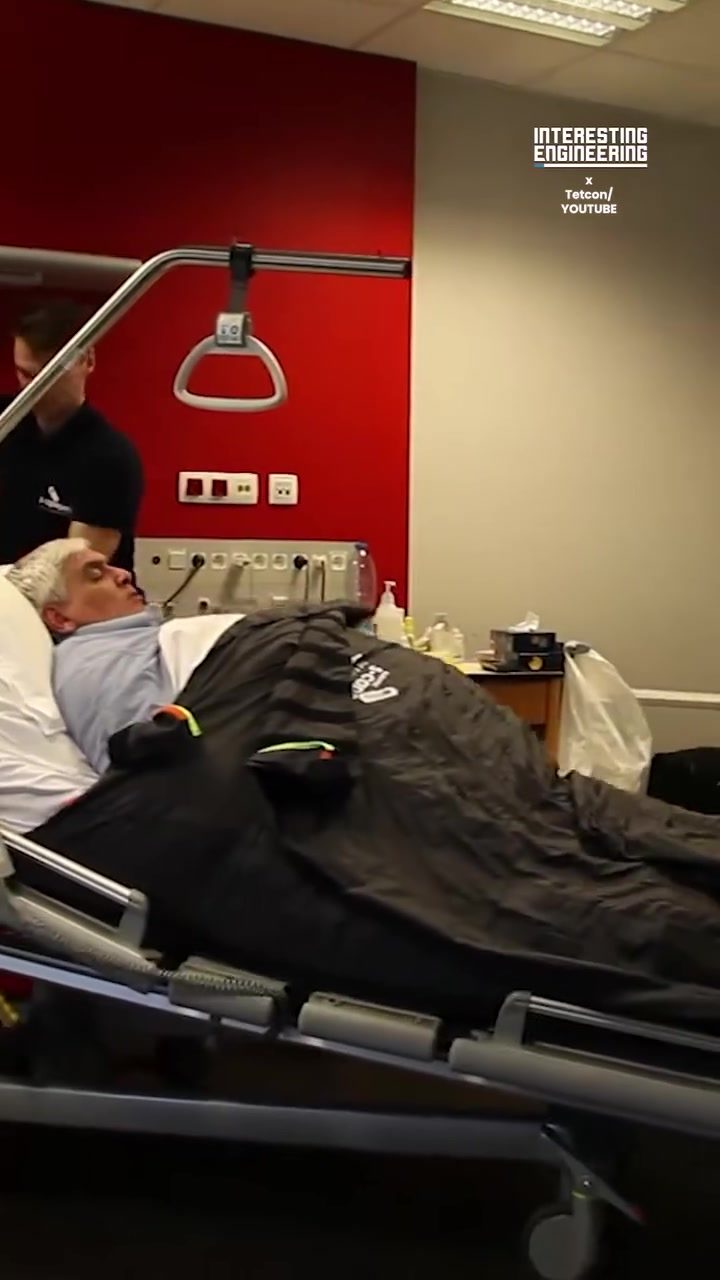
The system highlighted in the caption allows responders to drag bedridden patients down stairs using a secured mattress instead of lifting. This innovative approach addresses several challenges associated with traditional methods. Here's a closer look at how it works and its potential advantages:
How the System Works
The system involves securing the patient on a specialized mattress that can be easily attached to a sledge or wheeled platform. The mattress is designed to provide comfort and support while ensuring that the patient remains stable during the evacuation process. Responders can then drag the sledge or wheel the platform down the stairs, significantly reducing the physical strain and time required to move the patient.
Advantages of the System
One of the primary advantages of this system is its efficiency. Traditional methods of lifting and carrying patients are time-consuming and require multiple personnel, which can be a significant drain on resources in an emergency situation. By allowing responders to drag the patient, this system can save valuable time and ensure that more patients can be evacuated quickly.
Another key advantage is the reduced risk of injury to both patients and responders. Lifting and carrying patients can lead to muscle strains and other injuries for medical personnel, while patients may experience discomfort or further injury during the evacuation. The secure mattress design minimizes movement and ensures comfort for the patient, while the sledge or wheeled platform reduces the physical strain on responders.
Potential Challenges
While the system offers numerous benefits, there are also potential challenges to consider. One concern is the need for specialized equipment and training. Responders must be familiar with the system and know how to use it effectively. Additionally, the equipment itself must be maintained and readily available in emergency situations. Another potential challenge is ensuring that the mattress system is compatible with various types of hospital beds and patient needs.
Practical Tips for Ensuring Hospital Bed Safety
To maintain safety in a hospital setting, consider the following tips:
Regular Inspections and Maintenance
Regularly inspect hospital beds and equipment to ensure that they are in good working condition. This includes checking for any loose parts, malfunctioning controls, and ensuring that safety features such as rails and straps are functional. Maintenance should be carried out by trained personnel to ensure that the equipment remains safe and reliable.
Proper Use of Safety Features
Ensure that all safety features, such as safety rails and straps, are used correctly. This means raising and lowering the rails as needed, and securely fastening straps to prevent falls. Staff should be trained in the proper use of these features to minimize risks.
Staff Training
Training is crucial for ensuring the safety of patients in hospital settings. Medical personnel should be trained in fall prevention techniques, proper use of equipment, and emergency evacuation procedures. Regular training sessions and drills can help keep staff prepared and ensure that they know how to respond in emergency situations.
Patient Assessment
Each patient's needs and risks should be assessed individually. This includes evaluating their mobility, cognitive function, and any specific medical conditions that may affect their safety. Based on this assessment, appropriate safety measures should be implemented, such as using additional padding, specialized mattresses, or other supportive devices.
Important Takeaways
Ensuring the safety of bedridden patients in hospital settings is a multifaceted challenge that requires careful consideration of various factors, from bed design to emergency evacuation procedures. Modern hospital beds offer a range of safety features that can significantly reduce the risk of falls and injuries. However, it's crucial to ensure that these features are used correctly and that staff are properly trained in their use.
Conclusion
In emergency situations, every second counts, and the ability to quickly and safely evacuate bedridden patients can make a significant difference in outcomes. Innovative systems like the one that allows responders to drag patients using a secured mattress offer promising solutions to the challenges associated with traditional methods. By addressing safety concerns and investing in proper training and equipment, hospitals can ensure that their patients are protected and that medical personnel can respond effectively in critical situations.
Watch the Reel
Questions readers ask
What are the key benefits of using a secured mattress system for dragging patients down stairs during evacuations?
A secured mattress system allows for a quicker and safer evacuation process. It minimizes the risk of injury to both patients and responders by providing a stable surface to drag patients down stairs, and it enables a more efficient use of time during emergency situations. Additionally, it reduces the need for heavy lifting, thus decreasing the physical strain on medical personnel.
How do adjustable features and safety rails in hospital beds contribute to patient safety during emergencies?
Adjustable features in hospital beds allow for quick and easy positioning of patients, making it simpler for responders to secure patients properly. Safety rails help prevent falls and provide additional support, which is crucial during emergency situations. By keeping patients secure, these features facilitate a safer and more efficient evacuation process.
What are the typical challenges faced during the emergency evacuation of bedridden patients in hospitals?
The primary challenges include the risk of further injury to patients, the time-consuming nature of traditional methods, and the physical strain on medical personnel. Traditional lifting and carrying methods can be slow and dangerous, especially in situations where patients need to be moved down stairs or through narrow corridors.
How do innovative patient transfer systems improve hospital evacuation protocols?
Innovative patient transfer systems, like those that allow for dragging patients down stairs, streamline the evacuation process by making it faster and more efficient. They reduce the physical demands on responders and decrease the likelihood of complications, ensuring that patients can be safely moved in critical situations. This ensures that hospital evacuation protocols are more effective and reliable.
What role do emergency responders play in the safe transfer of bedridden patients during hospital evacuations?
Emergency responders are crucial in ensuring the safe and swift transfer of bedridden patients. They must be trained in the use of specialized equipment, such as secured mattress systems, and understand the importance of securing patients correctly. Responders must also follow established evacuation protocols to minimize risks and maximize efficiency during emergencies.
Recent articles
Fresh deep dives from the latest Reels we unpacked.




Comments
Be the first to comment.