Horseshoes and Hooves: Why Horseshoe Nails Don’t Hurt and When Horses Need Them
Horseshoes are an iconic symbol of equine care, but many people wonder why horseshoe nails don’t cause pain and when horses need shoes. Understanding the anatomy of a horse's hoof and the role of a farrier can provide clarity on these questions.
Why Horseshoe Nails Don’t Hurt
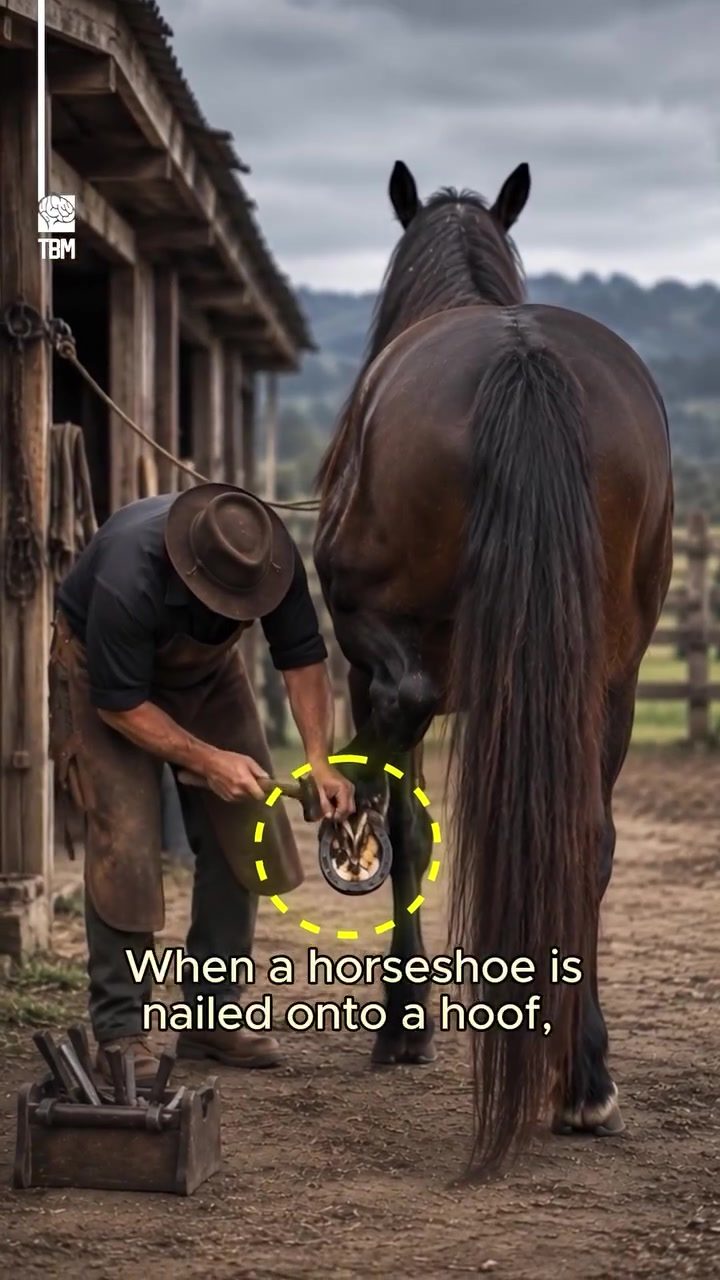
The process of nailing a horseshoe onto a hoof might seem painful, but it’s actually quite different from what it appears. The outer wall of a horse's hoof is composed of keratin, the same material found in human fingernails and hair. This tough, protective layer has no nerve endings, making it insensitive to pain. When a farrier drives nails through the hoof wall, it’s similar to trimming your fingernails—there is no pain involved. The farrier’s expertise lies in precisely trimming and balancing the hoof, selecting the appropriate shoe, and driving the nails through safe areas of the hoof wall.
The Role of a Farrier
A farrier is a skilled professional who specializes in equine hoof care. Their duties include trimming the hoof to maintain balance, selecting the right horseshoe, and securing it with specially designed nails. Farriers are crucial in ensuring that horses can move comfortably and safely, whether they are working horses, racehorses, or leisure riders.
When Horses Need Horseshoes
Not all horses require horseshoes. The decision to shoe a horse depends on several factors, including the horse's environment, activity level, and the condition of its hooves. Horses that work on hard surfaces, such as roads or arenas, or those involved in heavy work, racing, or shows, often need horseshoes to protect their hooves from excessive wear and damage. Conversely, horses that live on softer ground and have naturally strong, healthy hooves may remain barefoot. These horses' hooves wear down naturally and do not require the added protection of shoes.
The Benefits of Correctly Fitted Horseshoes
When fitted correctly, horseshoes provide several benefits. They protect the hoof from wear and damage, improve grip on various surfaces, offer support, and help the horse move comfortably. Horseshoes can also help correct or prevent problems like lameness, improve performance, and enhance the horse's overall well-being.
Practical Tips for Hoof Care
Routine hoof care is essential for maintaining a horse’s health and performance. Here are some practical tips:
- Regular Trimming: Regardless of whether a horse is shod or barefoot, regular trimming is crucial. Hooves grow continuously, and untrimmed hooves can lead to discomfort, lameness, and other issues.
- Choosing the Right Shoes: Selecting the appropriate horseshoe depends on the horse’s activity and environment. Racing horses, for example, might need lightweight racing plates, while a working horse may need a more durable shoe.
- Proper Nailing: Ensure that the farrier drives the nails through the safe areas of the hoof wall. This minimizes any risk of injury and ensures the horse's comfort.
- Monitoring Hoof Health: Regularly inspect the hooves for signs of wear, damage, or infection. Early detection and treatment can prevent more serious issues.
- Maintaining a Healthy Diet: A balanced diet rich in essential nutrients supports hoof health. Consult with a veterinarian or equine nutritionist to ensure the horse receives the right nutrients.
Important Takeaways
Understanding why horseshoe nails don’t hurt and when horses need shoes is fundamental to equine care. The farrier plays a critical role in maintaining a horse's hoof health and comfort. By ensuring regular trimming, selecting the right shoes, and monitoring hoof health, horse owners can keep their equine companions healthy and happy. Whether a horse needs shoes or can remain barefoot depends on various factors, and the benefits of correctly fitted horseshoes are numerous.
Conclusion
The process of shoeing a horse is a blend of art and science, requiring the expertise of a trained farrier. By understanding the structure of a horse's hoof and the benefits of horseshoes, horse owners can make informed decisions about their equine companions' care. Regular hoof maintenance and choosing the right shoes or leaving them barefoot, based on the horse's needs, are key to their well-being and performance.
Watch the Reel
Questions readers ask
How do farriers ensure horseshoe nails don't cause pain?
Farriers are trained to drive horseshoe nails into the insensitive part of the hoof wall, which is primarily composed of tough keratin. This material lacks nerve endings, so the horse doesn't feel any pain. By placing the nails in the correct position, farriers ensure the horse can move comfortably.
Why do some horses need shoes while others don’t?
Horses may need shoes if they have thin or weak hooves, compete in demanding equestrian activities, or have hoof issues. Conversely, horses with healthy, strong hooves that live in environments with suitable footing may not need shoes. This is often decided by a farrier who evaluates the horse's specific needs.
Can horseshoe nails cause problems if not placed correctly?
If horseshoe nails are not placed correctly, they can cause discomfort, hoof damage, or even lameness. Farriers undergo extensive training to ensure they drive the nails into the correct location, avoiding sensitive areas and potential issues.
What is the purpose of horseshoes in equine hoof care?
Horseshoes provide protection and support for the hooves, preventing wear and tear, and protecting the sensitive frog and sole of the hoof. They are essential for horses that are ridden or driven regularly, helping to maintain hoof integrity and comfort.
What are the benefits of a horse going barefoot?
Horses going barefoot can strengthen their hooves, improve balance, and maintain a more natural hoof shape. However, they require appropriate footing and regular trimming by a farrier to prevent overgrowth and maintain hooves. Barefoot horses may not be suitable for all terrains or activities.
How often should horseshoes be replaced?
The frequency of horseshoe replacement depends on the horse's activity level, hoof growth rate, and the environment. Typically, horseshoes need to be replaced every 4 to 6 weeks. A farrier will assess the condition of the shoes and hooves during routine visits to determine the best time for replacement.
What should I do if I think a horseshoe nail is causing my horse discomfort?
If you suspect a horseshoe nail is causing discomfort, contact a farrier immediately. They can assess the hoof, remove or adjust the nails, and correct any issues. Do not attempt to remove the nails yourself, as improper handling can worsen the problem or cause further injury.
Recent articles
Fresh deep dives from the latest Reels we unpacked.




Comments
Be the first to comment.