Horror Movies and Emotional Resilience
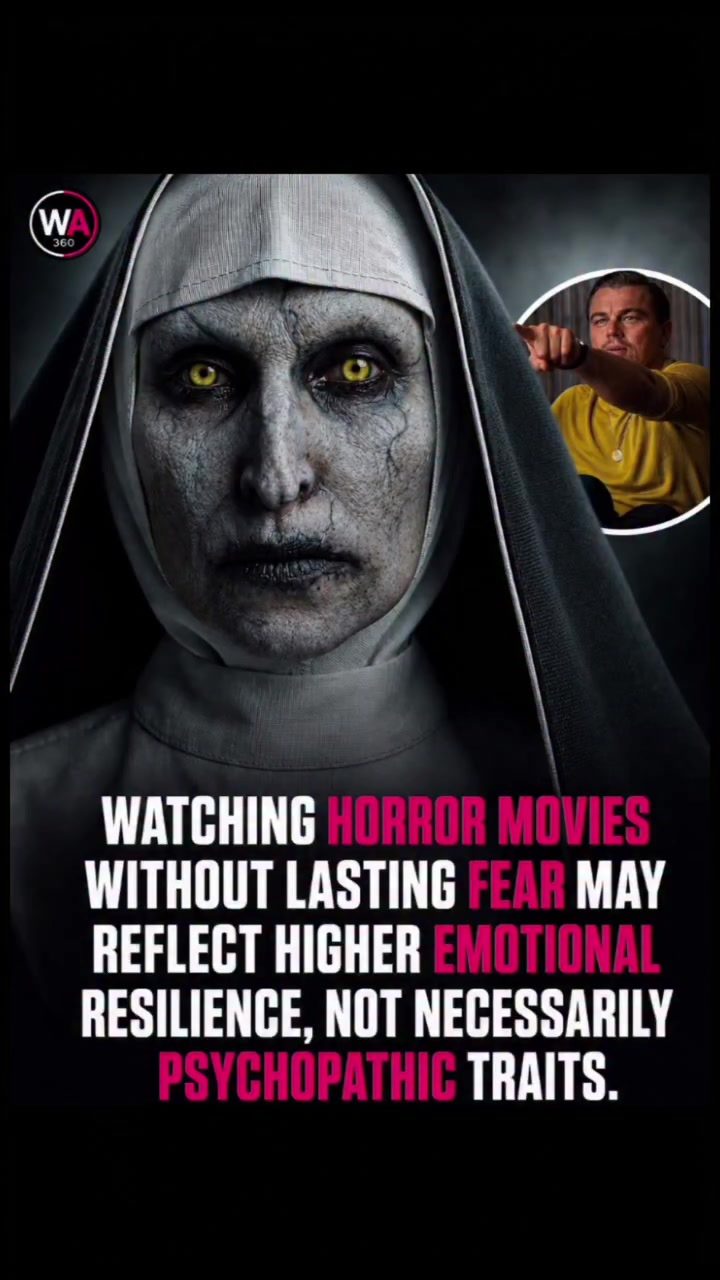
Horror movies have long been a staple of cinema, captivating audiences with their thrilling narratives and unsettling atmospheres. The chilling image of a nun-like figure from a horror movie is a stark reminder of the enduring fascination with fear. This interest in horror often leads to questions about why some people can watch these films without experiencing lingering fear. Does enjoying horror movies without feeling lingering fear make someone a psychopath?
Current psychological research suggests that the answer is no. Enjoying horror movies without lingering fear is more closely linked to emotional resilience, effective emotional regulation, and familiarity with fictional scares than to psychopathic personality traits.
Context / Why This Matters
Understanding the psychological implications of enjoying horror movies can provide valuable insights into human behavior and emotional health. Horror films offer a unique opportunity to explore and understand fear in a controlled environment. Many horror fans enjoy the thrill, suspense, and adrenaline that these movies provide, recognizing that the experience is fictional.
Psychopathy, on the other hand, is a complex personality construct involving traits such as reduced empathy, manipulativeness, and persistent antisocial behavior. It cannot be determined by movie preferences alone. Rather, individual differences in personality and coping styles influence how people react to horror films. Enjoying scary movies may simply mean you handle fear differently, not that something is wrong with you.
Main Discussion
Emotional Resilience vs. Psychopathic Traits
The distinction between emotional resilience and psychopathic traits is crucial. Emotional resilience refers to the ability to recover from or adjust to misfortune or change. People with high emotional resilience can bounce back from stressful or frightening experiences more quickly. This resilience is a positive trait that allows individuals to navigate challenging situations without long-lasting negative effects.
In contrast, psychopathy involves a lack of empathy, manipulativeness, and antisocial behavior. These traits are not indicative of a person's ability to handle fear but rather reflect deeper personality issues. Enjoying horror movies does not suggest the presence of these traits; instead, it reflects an individual's emotional resilience and coping mechanisms.
The Thrill of Horror
Horror movies offer a unique blend of thrill and suspense that many find enjoyable. The adrenaline rush and the sense of accomplishment from surviving a scary scene can be exhilarating. This enjoyment is often due to the recognition that the experience is fictional. Horror fans can separate the on-screen events from reality, allowing them to fully immerse themselves in the story without feeling genuine fear.
Familiarity with Fear
Familiarity with fictional scares plays a significant role in how people react to horror movies. Those who frequently watch horror films become accustomed to the genre's tropes and techniques. This familiarity can make the experience less frightening over time, as viewers anticipate the scares and are better prepared to handle them.
Effective Emotional Regulation
Effective emotional regulation is the ability to manage and control one's emotions. People who can regulate their emotions well are less likely to experience lingering fear after watching a horror movie. They can quickly return to a state of calm and composure, understanding that the fear was temporary and part of the movie experience.
Practical Tips
Choosing the Right Horror Movie
Not all horror movies are created equal. Some films are more intense and may leave lasting impressions of fear, while others are lighter and more entertaining. When selecting a horror movie, consider the genre and your personal tolerance for fear. Start with lighter horror-comedies or supernatural thrillers if you're new to the genre.
Watching with Friends
Watching horror movies with friends can enhance the enjoyment and reduce fear. The shared experience allows for a communal release of tension and provides support. Laughing together after a scary scene or discussing the movie afterwards can help normalize the fear and make it a positive experience.
Taking Breaks
If you find yourself feeling overwhelmed during a horror movie, take breaks. Pause the film, take a few deep breaths, and remind yourself that the experience is fictional. This can help you regain your composure and enjoy the rest of the movie without lingering fear.
Introspection
Reflect on your emotional state before, during, and after watching a horror movie. Understanding your reactions can provide insights into your emotional resilience and coping mechanisms. This introspection can help you better manage your emotions in other stressful situations as well.
Important Takeaways
Enjoying Horror Movies is Normal
Enjoying horror movies without lingering fear is a normal and healthy reaction. It reflects emotional resilience, effective emotional regulation, and familiarity with fictional scares. It does not indicate psychopathic traits or a lack of empathy.
Individual Differences Matter
Everyone reacts to horror movies differently based on their personality traits and coping styles. Some people may experience lingering fear, while others may find the experience thrilling and enjoyable. This variety in reactions is a testament to the diversity of human emotions and coping mechanisms.
The Psychology of Fear
Understanding the psychology of fear can provide valuable insights into human behavior. Horror movies offer a controlled environment to explore and manage fear, making them a useful tool for self-reflection and emotional growth.
Conclusion
Horror movies and fear resilience are interconnected in complex and fascinating ways. Enjoying horror movies without lingering fear is a reflection of emotional resilience, effective emotional regulation, and familiarity with fictional scares. Psychopathy is a separate and more complex personality construct that cannot be determined by movie preferences alone. Understanding these psychological aspects of horror movies can enrich our viewing experience and provide insights into our emotional well-being. Whether you are a seasoned horror buff or a casual viewer, embracing the thrill and suspense of these films can be a rewarding and enlightening journey.
Watch the Reel
Questions readers ask
What is emotional resilience and how does it relate to enjoying horror movies?
Emotional resilience is the ability to adapt to and overcome emotional stress. People with strong emotional resilience can enjoy horror movies without lingering fear because they can process and manage their emotions more effectively, allowing them to differentiate between fiction and reality.
Can enjoying horror movies indicate psychopathic traits?
No, enjoying horror movies does not indicate psychopathic traits. Those who can watch horror movies without lingering fear typically have strong emotional resilience and effective emotional regulation rather than psychopathic traits.
Why do some people enjoy horror movies more than others?
Some people enjoy horror movies more than others due to their ability to regulate their emotions effectively, familiarity with fictional scares, and a higher degree of emotional resilience. These factors help them to enjoy the thrill without being overwhelmed by fear.
What are the psychological benefits of watching horror movies?
Watching horror movies can provide a safe space for emotional exploration, helping individuals to understand and manage their fears. It can also enhance emotional resilience and offer a sense of control by confronting fictional fears in a controlled environment.
How does emotional regulation affect enjoyment of horror films?
Effective emotional regulation allows individuals to manage their fear response while watching horror movies, enabling them to enjoy the experience without being overwhelmed. This skill helps them to stay calm and distinguish between the fictional nature of the film and real-life threats.
Why is it important to distinguish between fiction and reality when watching horror movies?
Distinguishing between fiction and reality is crucial for enjoying horror movies without lingering fear. It helps individuals to understand that the horrific events they are witnessing are not real, allowing them to experience the thrill without being traumatized.
Recent articles
Fresh deep dives from the latest Reels we unpacked.




Comments
Be the first to comment.