Cosmetic Chemicals and Hormones
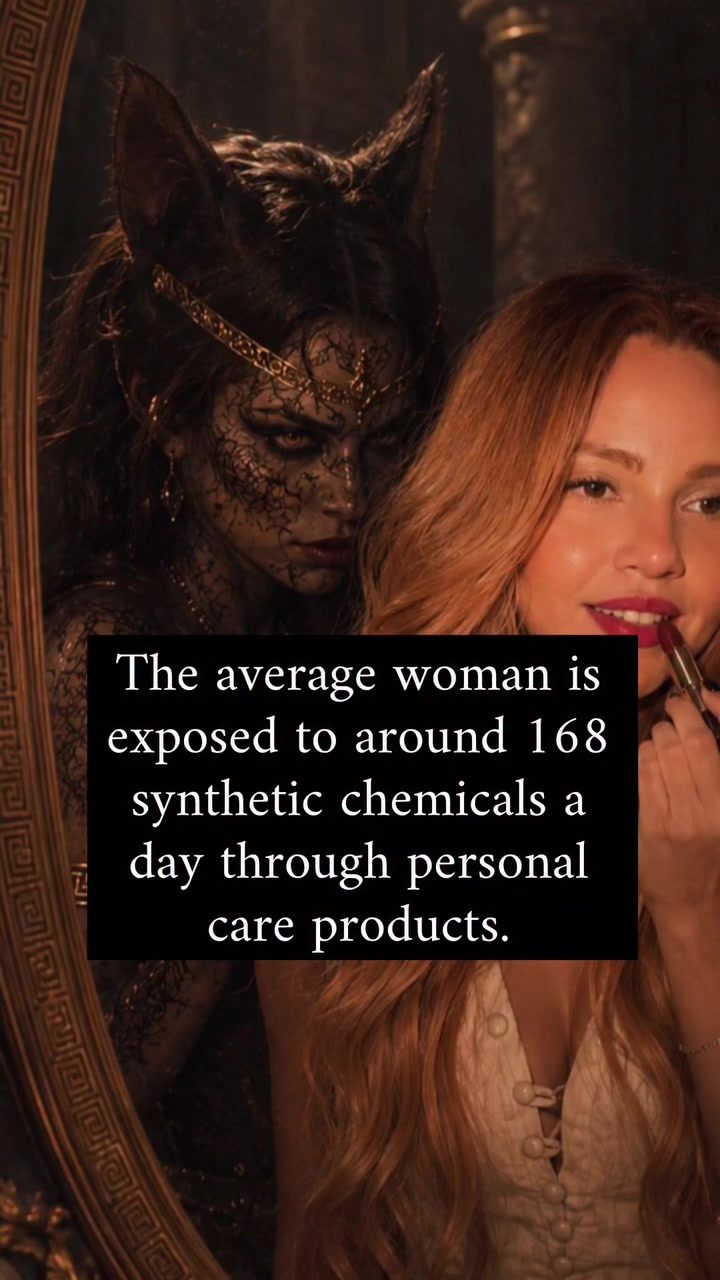
Daily beauty routines often involve a variety of personal care products, from shampoo and perfume to makeup and lotion. These products can contain a surprising number of synthetic chemicals, with the average woman exposed to around 168 different chemicals daily. Many of these ingredients are designed to enhance fragrance, texture, and shelf life, but they may not always prioritize long-term wellness. Understanding what goes into these products can significantly change how one views beauty, hair care, and overall health.
Why This Matters
The skin, scalp, and lungs are all pathways through which the body absorbs chemicals from personal care products. These chemicals can have profound effects, especially on hormonal balance and fertility. Given that the scalp is essentially an extension of the skin, it's crucial to be aware of what is being absorbed through the products applied daily. Many women were taught beauty routines rather than ingredient awareness, and this knowledge gap can have lasting impacts on health.
Hormonal Disruption
Hormonal disruptions caused by chemical exposure can lead to a variety of health issues, including Polycystic Ovary Syndrome (PCOS). Some chemicals in cosmetics are known endocrine disruptors, which can mimic or interfere with the body's natural hormones. These disruptions can affect fertility, menstrual cycles, and even metabolic processes. It's important to start checking cosmetic labels now, not when struggling with PCOS or fertility issues.
Common Chemicals to Watch For
Several common chemicals found in personal care products are known to affect hormonal balance:
- Parabens: Widely used as preservatives in many cosmetics, parabens can mimic estrogen and disrupt the body's hormonal balance.
- Phthalates: Found in fragrances and nail polishes, phthalates are known to interfere with hormone function and have been linked to reproductive issues.
- Synthetic Fragrances: These often contain a mix of chemicals, some of which can act as endocrine disruptors. Opting for products with natural fragrances or no added fragrance can be a safer choice.
- Triclosan: Commonly found in antibacterial soaps and toothpastes, triclosan can interfere with thyroid hormone function and has been linked to skin irritation and allergic reactions.
Main Discussion
The Absorption Issue
The skin is the body's largest organ and acts as a barrier that prevents harmful substances from entering the body. However, many chemicals in personal care products can penetrate the skin and enter the bloodstream, affecting various bodily functions. This is especially true for products applied to the scalp, as the skin here is thin and more permeable.
Ingredient Awareness
One of the most significant steps in protecting hormonal health is becoming more aware of the ingredients in personal care products. Many conventional products contain a long list of chemicals, some of which are known to disrupt hormonal balance. Here are some tips for becoming more ingredient-aware:
Reading Labels
Start by reading the ingredient labels on all personal care products. Look for products that are free from known endocrine disruptors and opt for those with shorter, more recognizable ingredient lists. Ingredients like parabens, phthalates, and synthetic fragrances should be avoided whenever possible.
Understanding Ingredient Lists
Ingredients are listed in order of concentration, with the highest concentration first. This means that the first few ingredients make up the majority of the product. Pay special attention to these ingredients, as they will have the most significant impact on the skin and overall health.
Seeking Out Natural Alternatives
Many brands now offer natural and organic personal care products that are free from synthetic chemicals. These products often use natural fragrances, essential oils, and plant-based ingredients. Look for certifications like USDA Organic or Ecocert to ensure that the product meets strict standards for natural and organic ingredients.
Fertility and Reproductive Health
For those struggling with fertility issues, being mindful of the chemicals in personal care products is even more crucial. Endocrine disruptors can interfere with hormone function, affecting ovulation, menstrual cycles, and overall reproductive health. By choosing safer alternatives, individuals can support their hormonal balance and overall fertility.
Practical Tips
Transitioning to Safer Products
Transitioning to safer personal care products doesn't have to be an overnight process. Start by replacing one product at a time, focusing on those applied to sensitive areas like the face, scalp, and underarms. Gradually replace products as they run out, and opt for safer alternatives.
DIY Alternatives
Making your own personal care products can be a fun and cost-effective way to avoid harmful chemicals. Many natural ingredients can be found in the kitchen, such as coconut oil, essential oils, and honey. Experiment with DIY recipes to find what works best for you.
Supporting Hormonal Health
In addition to choosing safer personal care products, support hormonal health through a balanced diet, regular exercise, and stress management. These lifestyle factors can significantly improve overall well-being and hormonal balance.
Important Takeaways
- The average woman is exposed to around 168 synthetic chemicals daily through personal care products.
- These chemicals can be absorbed through the skin, scalp, and lungs, affecting hormonal balance and fertility.
- Common chemicals to watch for include parabens, phthalates, synthetic fragrances, and triclosan.
- Reading labels and understanding ingredient lists are crucial steps in choosing safer products.
- Natural and organic personal care products are available as safer alternatives.
- Supporting hormonal health through lifestyle choices can enhance overall well-being.
Conclusion
Understanding the potential impact of chemicals in personal care products is a vital step in protecting hormonal health. By becoming more ingredient-aware and choosing safer alternatives, individuals can support their well-being and overall health. Taking the time to read labels, understand ingredients, and seek out natural alternatives can make a significant difference in how personal care products affect the body. This awareness can lead to a healthier, more balanced approach to beauty and self-care.
Watch the Reel
Questions readers ask
What are hormone disrupting chemicals, and how do they affect my health?
Hormone disrupting chemicals are synthetic compounds that can interfere with the body's endocrine system, mimicking or blocking hormones. Found in many personal care products, they can affect fertility, metabolism, and overall health. Long-term exposure may lead to health issues.
Which common cosmetics ingredients should I avoid for safer products?
Look out for ingredients like parabens, phthalates, and triclosan. These are known hormone disruptors often found in shampoos, lotions, and makeup. Opt for products with clear, recognizable ingredients and avoid fragrance.
How many synthetic chemicals are women typically exposed to daily through beauty products?
On average, women are exposed to around 168 different synthetic chemicals daily through their personal care products. These chemicals are used to enhance product characteristics, but they may not always be safe for long-term use.
Can switching to natural cosmetics improve hormonal balance and fertility health?
Switching to natural cosmetics can potentially improve hormonal balance and reduce the risk of fertility issues. By avoiding harmful synthetic chemicals, you can minimize exposure to hormone disruptors, which can help maintain hormonal balance.
How can I understand and choose the right personal care products for my daily beauty routine?
Start by reading product labels carefully and choosing products with minimal, recognizable ingredients. Look for certifications from reputable organizations that verify the product is free from harmful chemicals. Consider researching brands known for their commitment to safe, non-toxic formulations.
Why is it important to consider the impact of cosmetics on the health of the scalp and skin?
The scalp and skin are major pathways for absorbing chemicals from personal care products. Harmful ingredients can penetrate the skin, enter the bloodstream, and potentially disrupt hormonal balance, affecting overall health and well-being.
Related deep dives
Similar reads based on topic and creator.

Recent articles
Fresh deep dives from the latest Reels we unpacked.




Comments
Be the first to comment.