Hormone Imbalance and PCOS
Polycystic Ovary Syndrome (PCOS) is a complex hormonal and metabolic disorder that affects up to 10% of women of reproductive age. While the exact cause of PCOS is still not fully understood, it is clear that it impacts multiple hormones, not just one. Understanding these hormonal imbalances and their symptoms is crucial for managing PCOS effectively.
Why This Matters
PCOS is more than just a condition that affects fertility; it has wide-ranging effects on a woman's overall health. Hormonal imbalances can lead to various symptoms, including irregular periods, excessive hair growth, acne, and weight gain. Addressing these imbalances through lifestyle changes and, when necessary, medical intervention can significantly improve quality of life for those living with PCOS.
Main Discussion
Understanding the Key Hormones
Insulin
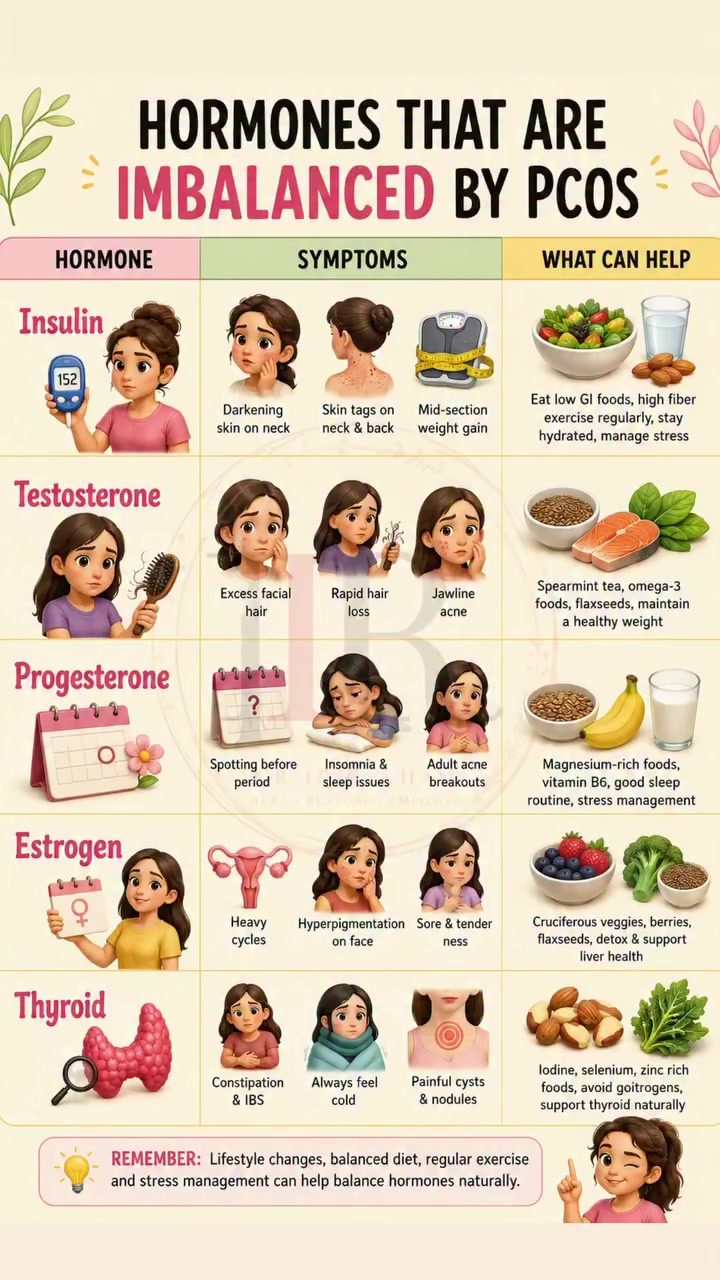
Insulin resistance is a common feature of PCOS, where the body becomes less responsive to insulin. This can lead to weight gain, particularly around the midsection, and skin changes such as darkening of the skin on the neck and back, as well as the development of skin tags. To manage insulin levels, it's recommended to consume low glycemic index (GI) foods, high in fiber, and engage in regular exercise. Staying hydrated and managing stress are also crucial for maintaining balanced insulin levels.
Androgens (Testosterone)
Elevated levels of androgens, such as testosterone, can cause symptoms like excess facial hair, rapid hair loss, and acne, particularly along the jawline. To manage these symptoms, incorporating spearmint tea, omega-3 fatty acids, and vitamin B6 into your diet can be beneficial. Maintaining a healthy weight and getting quality sleep are also important for regulating androgen levels.
Progesterone
Low progesterone levels, often due to irregular ovulation, can result in spotting before periods, insomnia, and sleep issues. Adult acne is also a common symptom. To support progesterone levels, consider magnesium-rich foods, vitamin B6, and maintaining a consistent sleep routine. Effective stress management techniques can also help regulate progesterone levels.
Estrogen
Fluctuating estrogen levels can contribute to heavy menstrual cycles and hyperpigmentation on the face. To support estrogen balance, incorporate cruciferous vegetables, berries, and flaxseeds into your diet. Maintaining liver health is also essential, as the liver plays a key role in metabolizing estrogen.
Thyroid
Thyroid disorders, while not part of PCOS itself, can coexist with it. Symptoms of thyroid imbalances include constipation, feeling cold, and painful cysts or nodules. To support thyroid health, focus on foods rich in iodine, selenium, and zinc, as well as flaxseeds. Detoxifying and supporting thyroid function naturally can also be beneficial.
The Role of Lifestyle Changes
Lifestyle changes play a significant role in managing PCOS. Incorporating regular exercise, quality sleep, and stress management techniques can help balance hormones naturally. Maintaining a healthy weight through a balanced diet and regular physical activity is also crucial.
Practical Tips
Dietary Changes
- Low GI Foods: Opt for whole grains, fruits, and vegetables that have a low glycemic index.
- High Fiber: Include foods rich in fiber, such as legumes, nuts, and seeds.
- Balanced Meals: Ensure your meals include a balance of proteins, healthy fats, and carbohydrates.
Exercise
- Regular Activity: Aim for at least 30 minutes of moderate-intensity exercise most days of the week.
- Variety: Mix up your workouts to include cardio, strength training, and flexibility exercises.
Stress Management
- Mindfulness Practices: Techniques like meditation, deep breathing, and yoga can help reduce stress.
- Hobbies and Relaxation: Engage in activities you enjoy to unwind and manage stress levels.
Sleep
- Consistency: Maintain a regular sleep schedule, going to bed and waking up at the same time each day.
- Quality: Create a relaxing bedtime routine and ensure your sleep environment is conducive to good rest.
Important Takeaways
Managing PCOS involves a multifaceted approach that includes understanding the hormonal imbalances, making dietary changes, engaging in regular exercise, and practicing stress management. Each individual's experience with PCOS is unique, so it's essential to work closely with healthcare providers to develop a personalized treatment plan. Always consult with a healthcare professional before making significant changes to your diet or exercise routine.
Conclusion
PCOS is a complex condition that affects multiple hormones, leading to a variety of symptoms. By understanding the key hormones involved and making lifestyle changes, individuals with PCOS can manage their symptoms more effectively. Incorporating a healthy diet, regular exercise, quality sleep, and stress management techniques can help balance hormones naturally. Remember, everyone's journey with PCOS is different, so it's important to work with healthcare providers to develop a personalized plan that meets your specific needs.
Watch the Reel
Questions readers ask
Which hormones are primarily affected by PCOS?
PCOS primarily affects androgens (like testosterone), insulin, and sex hormones such as estrogen and progesterone. These hormonal imbalances can lead to various symptoms, including irregular periods, weight gain, and skin changes.
What are some common symptoms of PCOS that are related to hormonal imbalances?
Common symptoms of PCOS include irregular menstrual cycles, excessive hair growth (hirsutism), acne, weight gain, and skin changes. These symptoms are directly related to the hormonal imbalances caused by PCOS.
How does insulin resistance relate to PCOS and its symptoms?
Insulin resistance is a common feature of PCOS, where the body's cells become less responsive to insulin. This can lead to high insulin levels, which in turn can cause weight gain, irregular periods, and increased androgen levels, exacerbating symptoms like acne and hirsutism.
What are some natural remedies that can help manage PCOS symptoms?
Some natural remedies for managing PCOS symptoms include maintaining a balanced diet rich in whole foods, regular exercise to improve insulin sensitivity, stress management techniques like yoga or meditation, and adequate sleep to regulate hormones. Always consult a healthcare provider before starting any new regimen.
How can lifestyle changes help in managing PCOS?
Lifestyle changes can significantly impact PCOS management by improving hormonal balance. Regular physical activity, a healthy diet, and maintaining a healthy weight can enhance insulin sensitivity, reduce androgen levels, and alleviate symptoms like acne and excessive hair growth.
What is the role of stress management in dealing with PCOS?
Stress management is a crucial aspect of managing PCOS. High stress levels can exacerbate hormonal imbalances and worsen symptoms. Techniques like deep breathing, mindfulness, and yoga can help reduce stress and promote overall well-being, making it easier to manage PCOS symptoms.
How does PCOS affect skin health, and what can be done about it?
PCOS can lead to skin changes, such as acne and excessive hair growth, due to elevated androgen levels. Managing these symptoms can be achieved through a combination of lifestyle changes, such as a balanced diet and stress reduction, and topical treatments or medications as advised by a healthcare provider.
Recent articles
Fresh deep dives from the latest Reels we unpacked.




Comments
Be the first to comment.