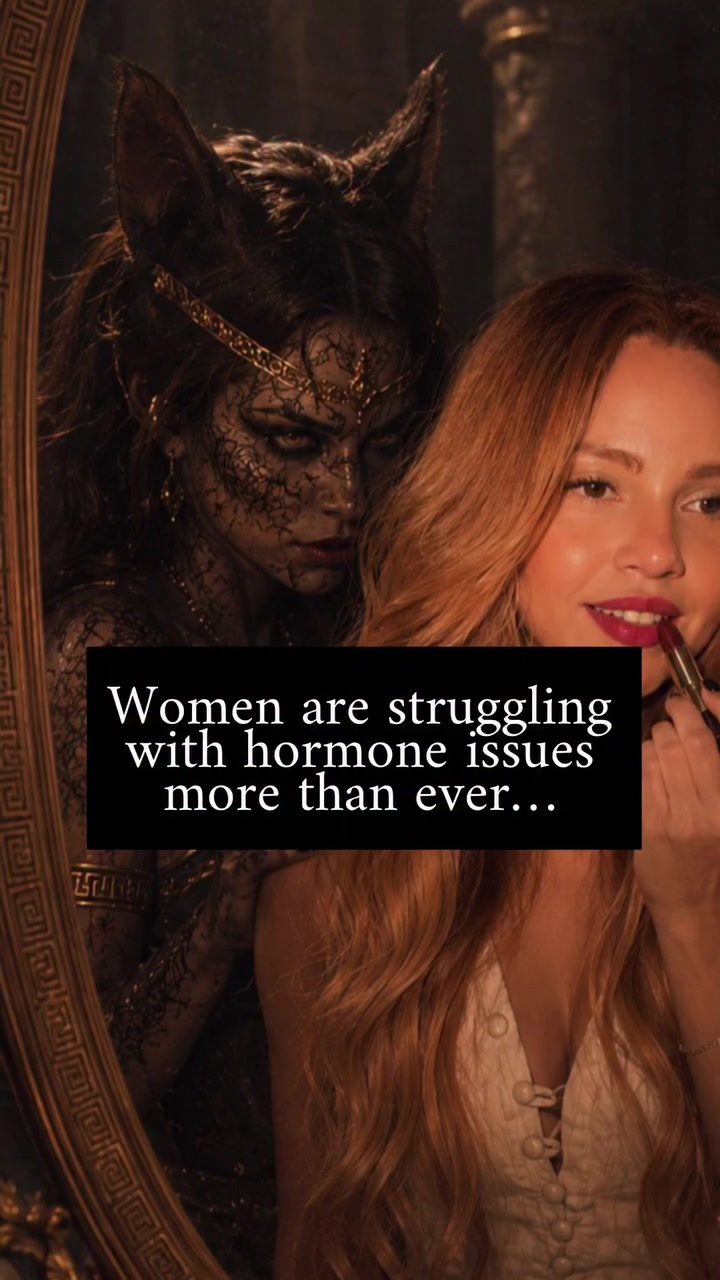
Beauty Products and Hormone Health: What You Need to Know
The skin is a highly absorbent organ, and what we apply to it can have significant effects on our overall health. Beauty products, in particular, can contain a myriad of chemicals that can impact our hormonal balance. Understanding the relationship between beauty products and hormone health is crucial, especially given the rising prevalence of hormone-related issues such as painful periods, PCOS, and infertility.
Why This Matters
The skin absorbs more than people realize, and the average woman applies a staggering 168 synthetic chemicals to her skin every day. These chemicals can include endocrine disruptors, synthetic fragrances, and other toxic substances that can interfere with hormone function. Many of these chemicals are not thoroughly regulated, and their long-term effects on health are not fully understood. However, there is growing evidence linking these chemicals to a variety of health problems, including reproductive issues, hormonal imbalances, and even certain cancers.
The Impact of Beauty Products on Hormone Health
Endocrine Disruptors
Endocrine disruptors are chemicals that can interfere with the body's endocrine system, which produces hormones that regulate metabolism, reproduction, and other critical functions. Exposure to these disruptors can lead to a range of health issues, including infertility, early puberty, and increased risk of certain cancers.
Synthetic Fragrances
Synthetic fragrances are commonly used in beauty products to mask unpleasant smells and create a pleasant scent. However, these fragrances can contain a cocktail of chemicals, many of which are not listed on product labels. Some of these chemicals have been linked to hormone disruption and other health problems.
Toxic Chemicals
Many beauty products contain toxic chemicals that can be absorbed through the skin and enter the bloodstream. These chemicals can include parabens, phthalates, and formaldehyde, among others. While these chemicals are often used in small amounts, their cumulative effects can be significant, especially when multiple products are used daily.
Optimizing Your Hormonal Health
Reading Ingredient Labels
One of the most effective ways to optimize your hormonal health is to start reading ingredient labels on your beauty products. Look for products that are free from known endocrine disruptors, synthetic fragrances, and other toxic chemicals. Opt for products that are certified organic or made with natural, non-toxic ingredients.
Choosing Safer Alternatives
When choosing beauty products, look for alternatives that are formulated with your health in mind. There are many brands that prioritize safety and use ingredients that are less likely to disrupt hormones. Products labeled as "clean" or "non-toxic" are good starting points, but always double-check the ingredient list.
Personalized Recommendations
If you're unsure where to start, consider reaching out to experts who specialize in hormone health. Many health professionals and beauty enthusiasts offer personalized product recommendations to help you make informed choices. For example, you can ask for recommendations from thisiscindymarie, who offers personal favorite beauty products that align with hormonal health.
Practical Tips for Choosing Hormone-Friendly Beauty Products
Avoid Products with Known Endocrine Disruptors
Some of the most common endocrine disruptors found in beauty products include parabens, phthalates, and BPA. These chemicals are often used as preservatives or to enhance the product's texture and scent. Opt for products that are labeled "paraben-free" and "phthalate-free."
Look for Certifications
Certifications such as "Certified Organic," "ECOCERT," and "Cruelty-Free" can provide additional assurance that the product is safe and non-toxic. These certifications indicate that the product has been tested for harmful chemicals and meets certain standards for ingredient sourcing and manufacturing processes.
Use Natural, Non-Toxic Alternatives
Natural ingredients like essential oils, plant extracts, and minerals can be effective and safe alternatives to synthetic chemicals. Look for products that use these natural ingredients and avoid those with long lists of chemicals you can't pronounce.
Pay Attention to the "Dirty Dozen"
The Environmental Working Group (EWG) publishes an annual list of the "Dirty Dozen" cosmetics that are most likely to contain harmful chemicals. Familiarize yourself with this list and avoid products that make the cut. Some of the most common offenders include mascara, lipstick, and foundation.
Seek Professional Advice
Consulting with a healthcare professional or a beauty expert can provide valuable insights into which products are best for your specific needs. They can help you identify potential allergens and recommend products that are less likely to disrupt your hormonal balance.
Important Takeaways
- The skin absorbs a significant amount of chemicals from beauty products, which can impact hormone health.
- Common chemicals found in beauty products, such as endocrine disruptors and synthetic fragrances, can interfere with hormone function.
- Reading ingredient labels and choosing products free from known harmful chemicals is essential for maintaining hormonal balance.
- Personalized recommendations and seeking professional advice can help you make informed choices about the beauty products you use.
Conclusion
Taking control of your hormonal health starts with being mindful of the beauty products you use. By understanding the potential impacts of endocrine disruptors, synthetic fragrances, and toxic chemicals, you can make better choices for your overall well-being. Start by reading ingredient labels, opting for natural and non-toxic alternatives, and seeking professional advice when needed. Your skin, and your hormones, will thank you.
Watch the Reel
Questions readers ask
What are endocrine disruptors and why are they found in beauty products?
Endocrine disruptors are chemicals that can interfere with the body's hormonal system. They are often found in beauty products due to their ability to enhance product effectiveness, stability, and longevity. However prolonged exposure can be linked to hormonal imbalances and health issues.
How do synthetic fragrances in cosmetics affect hormone health?
Synthetic fragrances in cosmetics can contain phthalates and other hormone disrupting chemicals. These can mimic hormones in the body, leading to imbalances that may cause a range of health issues, including reproductive problems and developmental issues in children.
Which common beauty products often contain hormone-disrupting chemicals?
Many common beauty products can contain hormone-disrupting chemicals, including makeup, skin care items, hair care products, and nail polishes. Some of the most concerning chemicals to look out for include parabens, phthalates, and triclosan.
What are the potential effects of hormone disruptors in personal care products on women's health?
Exposure to hormone disruptors in personal care products has been linked to various health issues in women, including painful periods, polycystic ovary syndrome (PCOS), and infertility. These chemicals can interfere with the body's natural hormonal processes, leading to imbalances and related health complications.
How can I identify and avoid toxic beauty products?
To avoid toxic beauty products, look for products labeled as 'fragrance-free' or 'paraben-free.' Additionally, opt for products with clear ingredient lists and those certified by reputable organizations, such as the Environmental Working Group's Skin Deep database. Always check labels and research ingredients to ensure they are safe for your body and mind.
What steps can I take to reduce my exposure to personal care hormone issues?
To reduce your exposure to hormone-disrupting chemicals, choose natural and organic products whenever possible, and limit the number of synthetic chemicals you apply to skin. Additionally, consider switching to products with fewer ingredients and avoiding those with known endocrine disruptors, such as parabens, phthalates, and synthetic fragrances.
How does the use of beauty products impact hormone health over time?
Over time, the use of beauty products can contribute to a buildup of harmful chemicals in the body, potentially leading to chronic hormone imbalances and related health issues. Regular exposure to these chemicals can disrupt the body's delicate hormonal balance, making it crucial to be mindful of the products you use and their potential long-term effects.
Related deep dives
Similar reads based on topic and creator.

Recent articles
Fresh deep dives from the latest Reels we unpacked.




Comments
Be the first to comment.