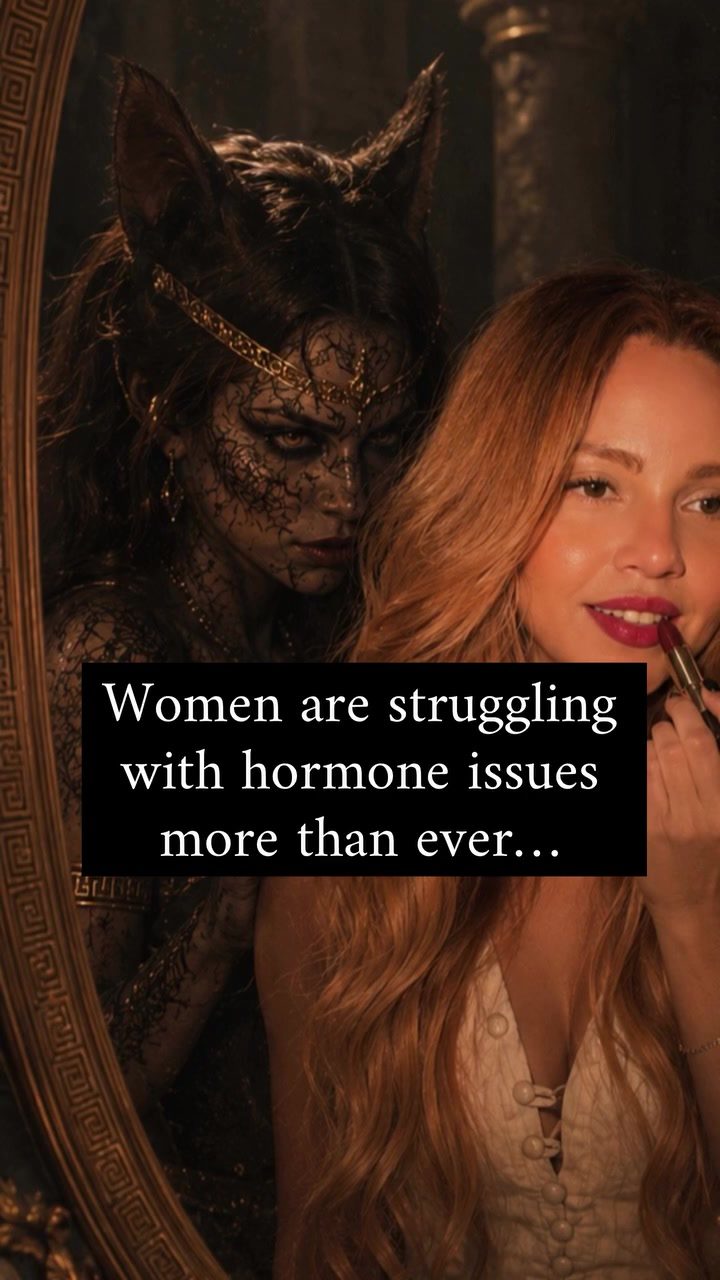
Hormone Health and Cosmetics: What You Need to Know
Hormone health has become a pressing issue in today's world, affecting many women's daily lives. From painful periods to more severe conditions like polycystic ovary syndrome (PCOS) and infertility, these issues are often linked to the chemicals we expose ourselves to through daily beauty and skincare routines. Understanding the impact of endocrine disruptors and toxic chemicals in cosmetics is crucial for maintaining overall health.
Why This Matters
The skin is the body's largest organ and acts as a barrier against external threats. However, it also absorbs substances that come into contact with it, including the chemicals found in beauty products. Many of these chemicals can disrupt the endocrine system, leading to a range of health issues. Given the prevalence of hormonal imbalances, it's essential to be informed about what we put on our skin.
The Hidden Dangers in Beauty Products
Endocrine Disruptors and Synthetic Fragrances
Endocrine disruptors are chemicals that interfere with the body's hormone system. These substances can be found in various beauty products, from moisturizers to makeup. Synthetic fragrances, in particular, are a common source of endocrine disruptors. Fragrances can contain hundreds of chemicals, some of which are known to cause hormonal imbalances. Unfortunately, these ingredients are often hidden under generic terms like "parfum" or "fragrance" on product labels, making it difficult for consumers to identify them.
The Average Woman's Daily Chemical Exposure
The average woman applies 168 synthetic chemicals to her skin every day through her beauty and skincare routine. This alarming statistic highlights the need for greater awareness and vigilance when choosing products. Many of these chemicals are absorbed into the bloodstream and can accumulate over time, potentially leading to long-term health issues.
Common Chemical Culprits
Some of the most concerning chemicals found in beauty products include:
- Phthalates: Often used in nail polishes and fragrances, phthalates have been linked to reproductive issues and developmental problems.
- Parabens: Commonly used as preservatives, parabens can mimic estrogen in the body and have been associated with hormone disruption and breast cancer.
- Triclosan: Found in some antibacterial soaps and toothpastes, triclosan can interfere with thyroid function and has been linked to skin irritation.
- BHA and BHT: These preservatives are often found in moisturizers and lipsticks. They can interfere with hormone function and have been classified as possible human carcinogens.
- Oxybenzone: Found in many sunscreens, oxybenzone can disrupt hormone function and has been linked to skin irritation and allergic reactions.
Optimizing Hormonal Health
Start Reading Ingredient Labels
One of the first steps in optimizing hormonal health is to become a savvy label reader. Look for products that are free from known endocrine disruptors and synthetic fragrances. Opt for those that are labeled as "fragrance-free" rather than "unscented," as the latter may still contain masking fragrances.
Proactive vs. Reactive Approach
Many women start checking their cosmetic labels only after they begin experiencing hormone-related issues, such as PCOS or fertility problems. However, a proactive approach is far more effective. Regularly review the ingredients in your beauty products and make swaps before symptoms arise. This proactive mindset can help prevent hormone-related health issues.
Personal Recommendations for Better Health
Some women may seek out recommendations for safer beauty products. There are resources available online and through social media that can provide guidance on selecting products free from harmful chemicals. Regularly consult these resources to stay informed about the best options for maintaining hormonal health.
Practical Tips
To limit your exposure to endocrine disruptors and other harmful chemicals in beauty products, consider the following tips:
- Simplify Your Routine: Reduce the number of products you use daily. Fewer products mean fewer chemicals on your skin.
- Choose Natural and Organic: Opt for products labeled as natural or organic. These products are more likely to be free from synthetic chemicals and endocrine disruptors.
- Avoid Products with Synthetic Fragrances: Look for fragrance-free products or those scented with natural essential oils.
- Research Products Before Purchasing: Before buying a new product, check its ingredient list and look for reviews or ratings from reliable sources.
Important Takeaways
The Skin is a Major Pathway for Chemical Absorption
The skin's ability to absorb chemicals means that what we put on it can significantly impact our health. This is especially concerning when it comes to endocrine disruptors, which can interfere with hormone function and lead to various health issues.
Endocrine Disruptors are Common in Beauty Products
Many beauty products contain endocrine disruptors, synthetic fragrances, and other harmful chemicals. These substances can accumulate in the body over time, potentially leading to long-term health problems, including hormone imbalances, infertility, and chronic illness.
Proactivity is Key
Regularly checking and updating your beauty and skincare routine can help prevent hormonal issues. Opt for products that are free from known endocrine disruptors and synthetic fragrances to maintain optimal health.
Ingredient Awareness Matters
Reading product labels and understanding the ingredients in your beauty products is essential for making informed choices. By becoming a savvy label reader, you can significantly reduce your exposure to harmful chemicals and optimize your hormonal health.
Conclusion
The relationship between hormone health and cosmetics is complex, but understanding the impact of endocrine disruptors and toxic chemicals in beauty products is crucial. By taking a proactive approach to your beauty and skincare routine, you can significantly reduce your exposure to harmful substances and optimize your hormonal health. This includes becoming a savvy label reader, simplifying your routine, and opting for natural and organic products. These steps can help you maintain overall well-being and prevent potential health issues.
Watch the Reel
Questions readers ask
What are hormone-disrupting chemicals and why are they found in beauty products?
Hormone-disrupting chemicals, also known as endocrine disruptors, are substances that interfere with the body's hormone system. They are often found in beauty products due to their ability to enhance product performance and extend shelf life. However, their presence in cosmetics can pose health risks, such as disrupting hormonal balance and contributing to various health issues, including PCOS and infertility.
Which beauty products are most likely to contain hormone-disrupting chemicals?
Many beauty products can contain hormone-disrupting chemicals. Some of the most common include makeup, moisturizers, hair care products, nail polishes, and fragrances. These products often contain synthetic chemicals that can be absorbed through the skin, potentially leading to hormonal imbalances and other health concerns.
What are some common hormone-disrupting chemicals to look out for in cosmetics?
Some common hormone-disrupting chemicals found in cosmetics include parabens, phthalates, triclosan, and formaldehyde. These chemicals are often used as preservatives, fragrances, and stabilizers in beauty products. However, they can disrupt the endocrine system and are linked to various health issues, making them important to avoid.
How can I ensure my beauty products are free from harmful chemicals?
To ensure your beauty products are free from harmful chemicals, read the ingredient labels carefully. Look for products that are labeled 'paraben-free', 'phthalate-free', and 'fragrance-free' to avoid common hormone disruptors. Additionally, opt for products with natural or organic ingredients, and consider using resources like the Environmental Working Group's Skin Deep Database to check the safety of specific products.
What are some health concerns associated with exposure to hormone-disrupting chemicals in beauty products?
Exposure to hormone-disrupting chemicals in beauty products can lead to various health issues, including reproductive problems, developmental issues, and increased risk of certain cancers. Women may experience irregular periods, fertility issues, and conditions like polycystic ovary syndrome (PCOS). Long-term exposure to these chemicals can also contribute to hormonal imbalances and other endocrine-related health problems.
Can switching to natural or organic beauty products help reduce exposure to hormone disruptors?
Yes, switching to natural or organic beauty products can help reduce exposure to hormone disruptors. These products are formulated with safer, non-toxic ingredients that are less likely to contain harmful synthetic chemicals. By choosing natural or organic options, you can minimize your risk of exposure to endocrine disruptors and support your overall health.
Related deep dives
Similar reads based on topic and creator.

Recent articles
Fresh deep dives from the latest Reels we unpacked.




Comments
Be the first to comment.