Can Your Face Reflect Your Hormones?
Hormonal changes can influence your skin and facial appearance. While these changes can manifest in various ways, it is essential to understand that facial features alone are not enough to diagnose a hormone imbalance. Other factors, such as your medical history, physical examination, and appropriate laboratory tests, should be considered.
Why This Matters
Hormones play a crucial role in the body, regulating various processes, including metabolism, growth, and reproduction. When hormones are out of balance, they can affect your skin and facial appearance. Understanding the connection between hormones and facial changes can help in assessing potential hormonal imbalances, guiding further medical evaluation. However, this assessment is not a substitute for professional medical advice.
Main Discussion
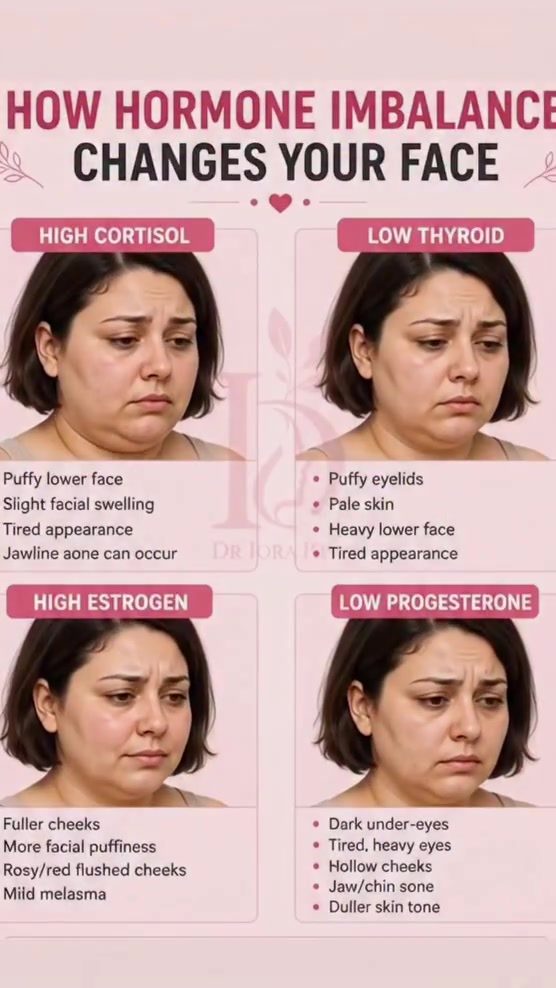
Hormonal imbalances can cause noticeable changes in the face, affecting skin texture, pigmentation, and overall appearance. Here are some common hormone-related facial changes:
High Cortisol
High cortisol levels, often associated with stress, can lead to several facial changes:
- Slight facial swelling: Excess cortisol can cause fluid retention, resulting in a puffy appearance around the face.
- Tired appearance: Elevated cortisol levels can disrupt sleep patterns, leading to a fatigued and worn-out look.
- Softened jawline: Chronic stress and high cortisol can contribute to weight gain, particularly around the face, which can soften the jawline.
Low Thyroid
A low thyroid hormone (hypothyroidism) can cause various facial changes, including:
- Pale skin: Reduced metabolic activity due to low thyroid hormone can result in a dull, pale complexion.
- Puffy eyelids: Fluid retention and slowed metabolism can lead to puffy eyelids, giving the eyes a tired and heavy appearance.
High Estrogen
High estrogen levels can result in the following facial changes:
- Fuller cheeks: Estrogen can increase fluid retention and fat deposits in the face, leading to a more rounded appearance.
- More facial puffiness: Excess estrogen can cause fluid retention, resulting in a generally puffy facial appearance.
- Raised cheeks: Increased blood flow to the face due to high estrogen levels can create a flushed, rosy appearance.
- Mild melasma: Estrogen can stimulate melanin production, leading to light or dark patches on the skin.
Low Progesterone
Low progesterone levels can manifest in several ways, including:
- Dark under-eyes: Without adequate progesterone, the body may struggle to maintain healthy blood circulation, leading to dark circles under the eyes.
- Tired, heavy eyes: Low progesterone can disrupt sleep patterns, resulting in a tired, dull appearance of the eyes.
- Hollow cheeks: Decreased fat deposits and muscle tone in the face due to low progesterone can create a more angular, hollow appearance.
- Duller skin tone: Reduced progesterone levels can slow down skin cell turnover, resulting in a lackluster complexion.
Practical Tips
If you notice these changes in your face, consider the following steps:
Monitor Changes
Document any changes in your skin and facial appearance, noting when they started and their severity. This information can be helpful during a medical consultation.
Consult a Healthcare Professional
Consult a qualified healthcare professional for a proper evaluation if you experience persistent symptoms related to hormone imbalance.
Maintain a Balanced Lifestyle
Maintain a healthy lifestyle by eating a balanced diet, exercising regularly, and managing stress levels. These practices can help regulate hormone levels and promote overall wellness.
Regular Check-ups
Regular medical check-ups can help detect hormonal imbalances early, allowing for timely intervention and treatment.
Important Takeaways
Hormonal imbalances can cause noticeable changes in facial appearance, but facial features alone cannot diagnose a hormone imbalance. Always confirm with a healthcare professional, and assess symptoms alongside your medical history, physical examination, and appropriate laboratory tests.
Conclusion
Understanding the connection between hormones and facial changes can provide valuable insights into potential hormonal imbalances. While these changes can be alarming, they should be approached with caution and awareness. Regular medical check-ups, a balanced lifestyle, and consulting a healthcare professional can help manage hormonal imbalances and promote overall well-being.
Watch the Reel
Questions readers ask
What are some common facial signs of hormonal imbalances?
Facial signs of hormonal imbalances can vary, but common symptoms include changes in skin texture, such as increased oiliness or dryness, breakouts, and altered skin tone. You might also notice a puffy face, puffy cheeks, and tired eyes, which can be indicative of high cortisol levels. Other symptoms can be a rounded face or a flushed appearance.
Can hormonal imbalances cause acne?
Yes, hormonal imbalances can lead to acne breakouts. Fluctuations in hormones, such as androgens and estrogen, can increase sebum production, leading to clogged pores and acne. This is common during puberty, menstruation, and menopause, as well as in conditions like polycystic ovary syndrome (PCOS).
How do hormones affect skin texture and appearance?
Hormones play a significant role in skin health. For instance, estrogen promotes collagen production, which keeps the skin plump and youthful. A decrease in estrogen can lead to dryness, wrinkles, and sagging skin. Conversely, high levels of androgens can increase oil production, resulting in a shiny or greasy complexion.
What does a 'high cortisol face' look like?
A 'high cortisol face' is often characterized by a round, puffy appearance, with swelling around the eyes and cheeks. This can be due to increased cortisol levels, which may cause water retention and fat deposition in the facial area. This is common in conditions like Cushing's syndrome.
Can low estrogen levels affect my facial appearance?
Yes, low estrogen levels can lead to various changes in facial appearance. These can include dry skin, reduced skin elasticity, and increased wrinkles. You might also notice a loss of fat in the cheeks, leading to a more gaunt appearance. These changes are often seen during menopause.
How can I determine if my facial changes are due to hormonal imbalances?
While hormonal imbalances can cause facial changes, it's crucial to consult a healthcare professional for an accurate diagnosis. They will consider your medical history, conduct a physical examination, and order appropriate laboratory tests to determine if your symptoms are due to a hormonal imbalance.
Can hormonal imbalances cause dark circles under the eyes?
Hormonal imbalances, particularly those involving cortisol, can contribute to the appearance of dark circles under the eyes. High cortisol levels can cause the skin to become thinner and more translucent, making the blood vessels beneath more visible. Additionally, hormonal imbalances can lead to fatigue, further exacerbating the appearance of dark circles.
Recent articles
Fresh deep dives from the latest Reels we unpacked.




Comments
Be the first to comment.