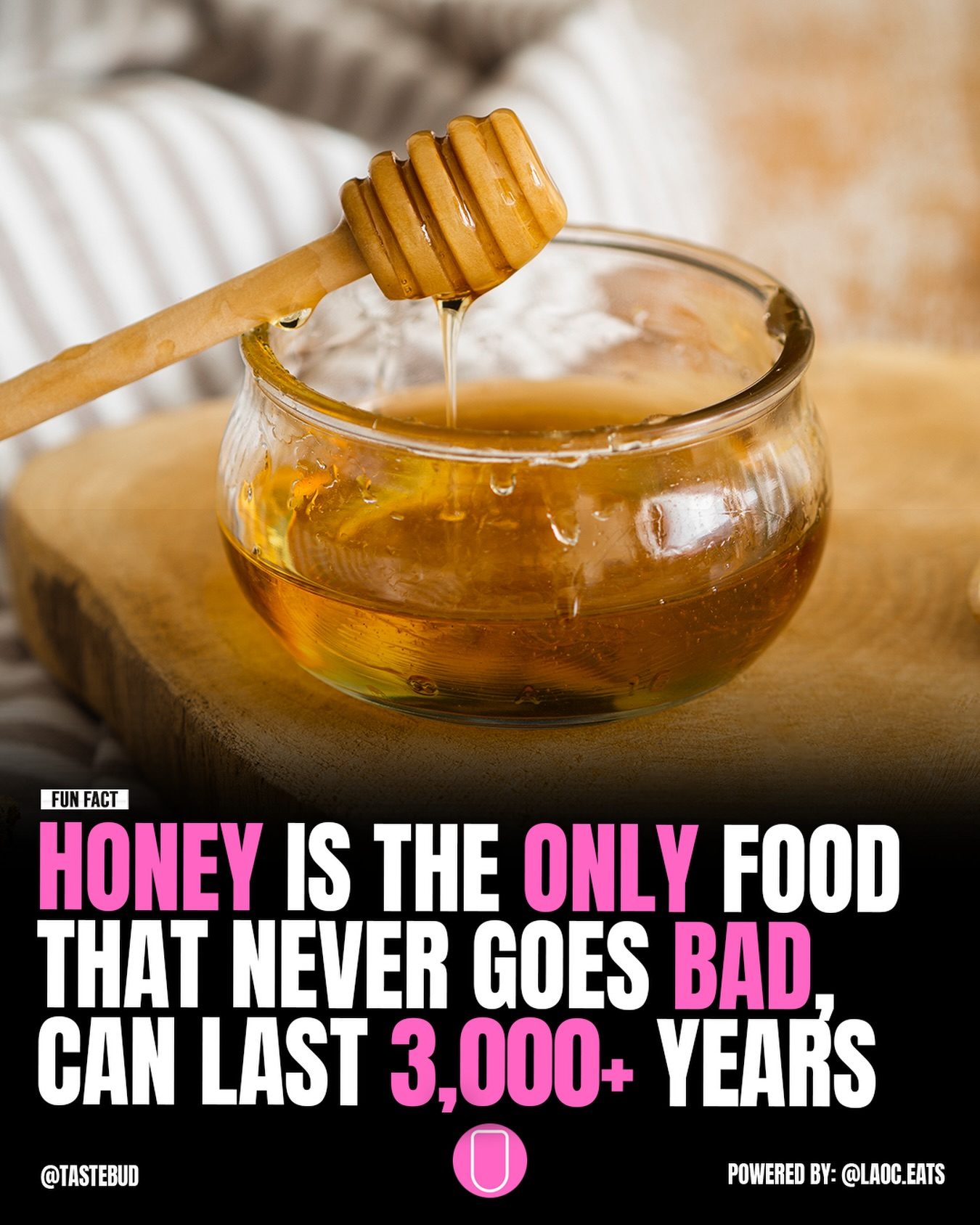
Honey: The Eternal Food
Honey, a natural sweetener produced by bees, is renowned for its incredibly long shelf life. Jars of honey unearthed from ancient Egyptian tombs have been found to be still edible, even after thousands of years. This remarkable durability can be attributed to three key factors: extremely low moisture content, natural acidity, and an enzyme that generates small amounts of hydrogen peroxide to inhibit bacterial growth.
Context / Why This Matters
Understanding the longevity of honey is not just a fascinating fact; it has practical implications for storage, food safety, and even culinary applications. Unlike many other foods, honey can be stored for extended periods without refrigeration or other preservative methods, making it a reliable and convenient pantry staple.
Honey's Longevity: A Closer Look
Moisture Content
One of the primary reasons honey has an exceptionally long shelf life is its extremely low moisture content. Typically, honey has a water content of less than 18%. This low moisture level creates an environment that is inhospitable to microbial growth, including bacteria and yeast, which need water to thrive. As a result, honey naturally resists spoilage.
Natural Acidity
Honey's natural acidity is another critical factor in its longevity. The pH of honey typically ranges from 3.2 to 4.5, making it acidic enough to inhibit the growth of many microorganisms. This acidity acts as a natural preservative, further contributing to honey's durability. The acidic environment prevents the proliferation of bacteria and other pathogens, ensuring that honey remains safe to consume over long periods.
Hydrogen Peroxide Production
The third key factor is the enzyme gluconic acid. When honey is diluted with water, a small amount of this enzyme combines with water to produce hydrogen peroxide, a natural antimicrobial agent. This process creates a chemical environment that is hostile to bacteria and other pathogens, providing an additional layer of protection against spoilage.
Raw vs. Commercial Honey
It is essential to note that the shelf life of honey primarily applies to raw, unprocessed honey. Commercial honey, which is often pasteurized, may not retain the same longevity. Pasteurization involves heating honey to high temperatures to kill any bacteria or yeast present. While this process makes the honey safer for immediate consumption, it can also destroy some of the natural enzymes and nutrients that contribute to honey's long shelf life. Therefore, raw, unprocessed honey is generally considered to have a longer shelf life compared to commercial varieties.
Practical Tips
Storing Honey
To maximize the longevity of your honey, consider the following storage tips:
-
Airtight Container: Store honey in an airtight container to prevent moisture from entering. This helps maintain the low moisture content that is crucial for its durability.
-
Cooling Environment: Keep honey in a cool, dry place, away from direct sunlight and heat sources. While honey does not require refrigeration, extreme heat can cause it to crystallize more quickly.
-
Avoid Contamination: Use clean utensils when handling honey to prevent the introduction of moisture or bacteria. This helps maintain the natural antimicrobial properties of the honey.
Recognizing Crystallization
Crystallization is a natural process that occurs when the glucose in honey separates from the liquid and forms solid crystals. This does not mean the honey has spoiled; it is still safe to eat. To re-liquify crystallized honey, place the jar in a warm water bath, stirring gently until the crystals dissolve. Avoid overheating, as this can alter the flavor and nutritional properties.
Important Takeaways
Honey's Unique Properties
Honey's combination of low moisture, natural acidity, and antimicrobial properties makes it one of the most durable foods available. These unique characteristics ensure that honey can be stored for extended periods without needing additional preservatives.
Differences in Honey Types
It is crucial to understand the differences between raw and commercial honey. Raw honey generally retains its natural enzymes and antimicrobial properties, contributing to its longevity. In contrast, commercial honey, which is often pasteurized, may have a shorter shelf life due to the destruction of these natural agents.
Conclusion
Honey's incredibly long shelf life makes it a valuable addition to any pantry. Whether you are a cooking enthusiast, a health-conscious individual, or simply someone who appreciates the natural sweetness of honey, understanding its unique properties and proper storage methods can help you make the most of this remarkable food. By maintaining the conditions that support its longevity, you can ensure that your honey remains a delicious and nutritious staple for years to come.
Watch the Reel
Questions readers ask
How does the composition of honey contribute to its longevity?
Honey's low moisture content, natural acidity, and production of hydrogen peroxide from the enzyme glucose oxidase work together to prevent bacterial growth. This unique combination keeps honey in a stable state for long periods, making it one of the few foods that never spoils.
Can honey be stored without refrigeration and still be good for thousands of years?
Yes, honey can be stored at room temperature for extended periods due to its natural preservatives. However, it's important to note that while honey may remain safe to consume for thousands of years, its texture and taste may change over time. It is best to keep honey in a cool, dry place in an airtight container to maintain its quality.
Why is honey from ancient tombs still edible?
The honey found in ancient tombs, such as those in Egypt, remains edible due to its unique composition and natural preservatives. The low moisture content and natural acidity, along with the creation of hydrogen peroxide, prevent bacterial growth, ensuring that honey can last for thousands of years under the right conditions.
How does the antibacterial effect of honey work?
The antibacterial properties of honey are due to its low moisture content, which inhibits bacterial growth, and the production of hydrogen peroxide. The bee enzyme glucose oxidase in honey converts glucose into gluconic acid and hydrogen peroxide, which prevents bacterial growth. The natural acidity of honey also helps to keep bacteria at bay.
What are the practical implications of honey's long shelf life?
Honey's remarkable durability makes it a reliable and convenient food source. It can be stored for long periods without needing refrigeration or preservatives, making it a valuable pantry staple. Additionally, understanding honey's longevity can inform food preservation techniques and even culinary applications, such as using honey as a natural sweetener that retains its quality over time.
What are the best ways to store honey to extend its longevity?
To extend the longevity of honey, store it in an airtight container in a cool, dry place. Avoid exposing it to direct sunlight or high temperatures, as this can cause it to change in texture and color. It is also best to avoid contaminating honey with water or other substances, as this can promote microbial growth.
Why does honey sometimes crystallize over time?
Honey may crystallize over time due to the natural separation of glucose and fructose, but this is still safe to consume. Crystallization is a natural process that can be reversed by gently heating the honey. This transformation does not indicate that the honey has spoiled; instead, it is a sign of the natural sugars in the honey separating and solidifying over time.
Related deep dives
Similar reads based on topic and creator.




Recent articles
Fresh deep dives from the latest Reels we unpacked.




Comments
Be the first to comment.