Holy Basil Tea and Its Benefits
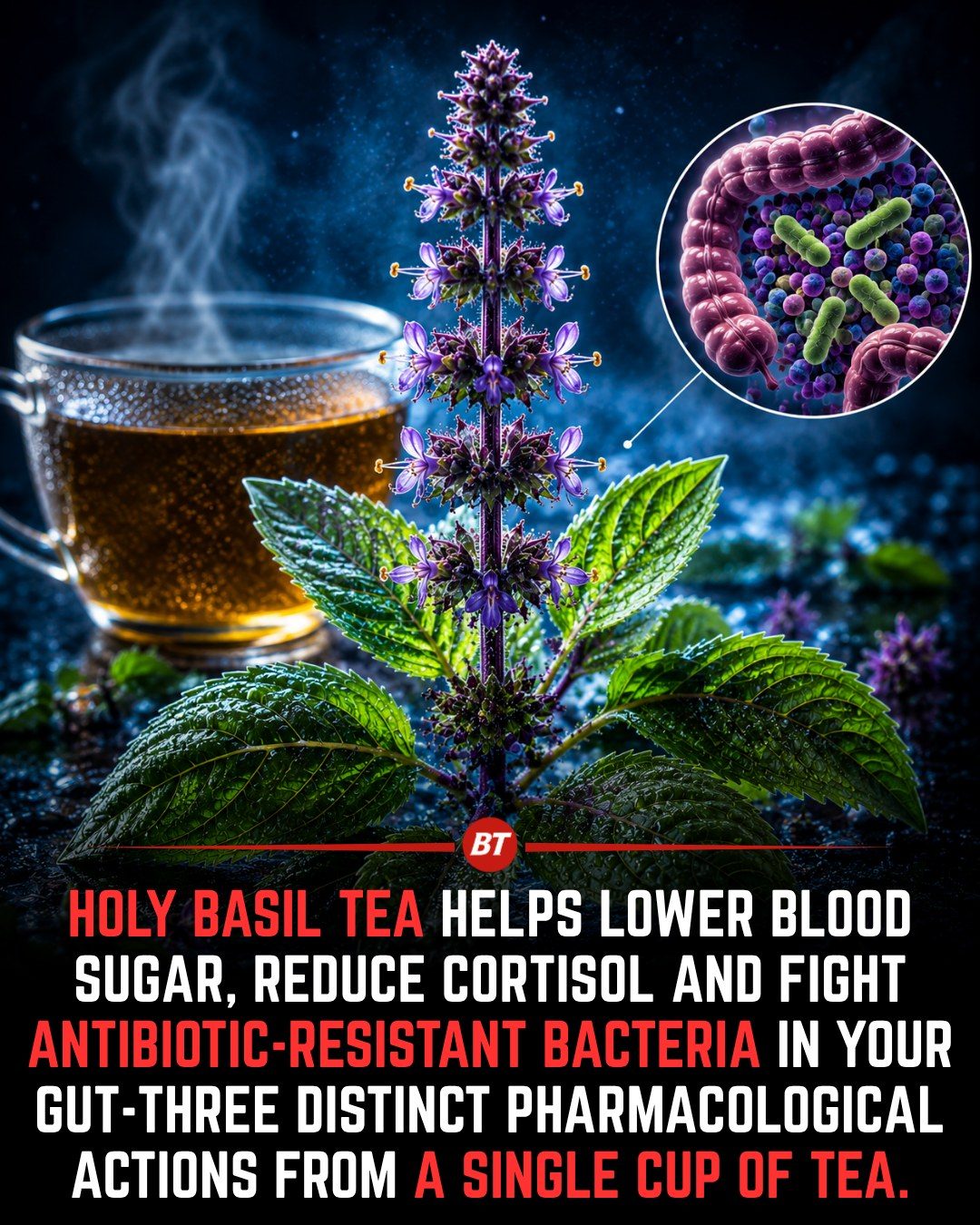
Holy basil, or tulsi, is a plant with a long history in Ayurvedic medicine, and modern science is uncovering some of its potential benefits. This tea, made from the leaves of the holy basil plant, is believed to offer a range of health advantages. The most notable benefits include supporting healthy blood sugar levels, aiding the body's response to stress, and providing natural antimicrobial compounds.
Why It Matters
Holy basil tea is not just a soothing beverage; it is a powerhouse of beneficial compounds. Understanding its potential benefits can help individuals make informed decisions about incorporating it into their daily routines. For those looking to manage stress, regulate blood sugar, or boost their immune system, holy basil tea could be a beneficial addition.
The Benefits of Holy Basil Tea
Blood Sugar Support
One of the standout benefits of holy basil tea is its potential to support healthy blood sugar levels. Modern research has shown that the bioactive compounds in holy basil, such as eugenol, rosmarinic acid, and ursolic acid, may help regulate blood glucose levels. These compounds have been studied for their antioxidant and anti-inflammatory effects, which can improve the body's response to oxidative stress.
Stress Management
Holy basil is often described as an adaptogenic herb, meaning it helps the body adapt to stress. A 2023 review published in Frontiers in Pharmacology found that holy basil shows promising potential for helping moderate the body's physiological response to stress. This makes it a valuable tool for those looking to manage stress levels naturally.
Antimicrobial Properties
Holy basil tea is also known for its antimicrobial properties. Laboratory studies have demonstrated that it can fight a variety of bacteria and fungi. This can be particularly beneficial for maintaining gut health, as it may help combat antibiotic-resistant bacteria. However, it is important to note that while these studies are promising, more human clinical research is needed to fully understand the extent of these benefits.
Other Health Benefits
Beyond its direct health benefits, holy basil tea is naturally caffeine-free. This makes it an excellent alternative to coffee or black tea for those looking to unwind while enjoying a beverage rich in beneficial plant compounds. The soothing properties of holy basil tea can be enhanced with a slice of fresh ginger or a squeeze of lemon, adding extra flavor and potential health benefits.
Practical Tips
To make the most of holy basil tea, consider the following tips:
Brewing Tips
Steep 1–2 teaspoons of dried holy basil leaves in hot water for 5–10 minutes. This allows the beneficial compounds to infuse into the water, providing a rich and flavorful tea. For added flavor and health benefits, consider adding a slice of fresh ginger or a squeeze of lemon.
Incorporating into Your Routine
Holy basil tea can be enjoyed once or twice a day as part of a balanced lifestyle. It can be a great way to start your day or wind down in the evening. Remember that while holy basil tea has many potential benefits, it should not be considered a replacement for medical treatment. Always consult with a healthcare provider before making significant changes to your diet or health routine.
Pairing with Other Beverages
For those who enjoy a variety of teas, holy basil can be paired with other herbal teas or even mixed with green tea for a unique blend. Experimenting with different combinations can help you find the perfect balance of flavors and health benefits.
Important Takeaways
While the potential benefits of holy basil tea are numerous, it is important to remember a few key points:
- The bioactive compounds in holy basil, such as eugenol, rosmarinic acid, and ursolic acid, have been studied for their antioxidant and anti-inflammatory effects.
- Holy basil tea may help support healthy blood sugar levels and aid the body's response to stress.
- Laboratory studies suggest that holy basil has antimicrobial properties, but more human clinical research is needed.
- Holy basil tea is naturally caffeine-free and can be a soothing alternative to coffee or black tea.
Conclusion
Holy basil tea offers a range of potential health benefits, from supporting healthy blood sugar levels to aiding in stress management and providing natural antimicrobial compounds. With its rich history in Ayurvedic medicine and modern research backing its benefits, holy basil tea is a valuable addition to any health-conscious individual's routine. Incorporating it into your daily life can be a natural and enjoyable way to support your overall well-being.
Watch the Reel
Related deep dives
Similar reads based on topic and creator.




Recent articles
Fresh deep dives from the latest Reels we unpacked.




Comments
Be the first to comment.