Online Holiday Shopping Surge
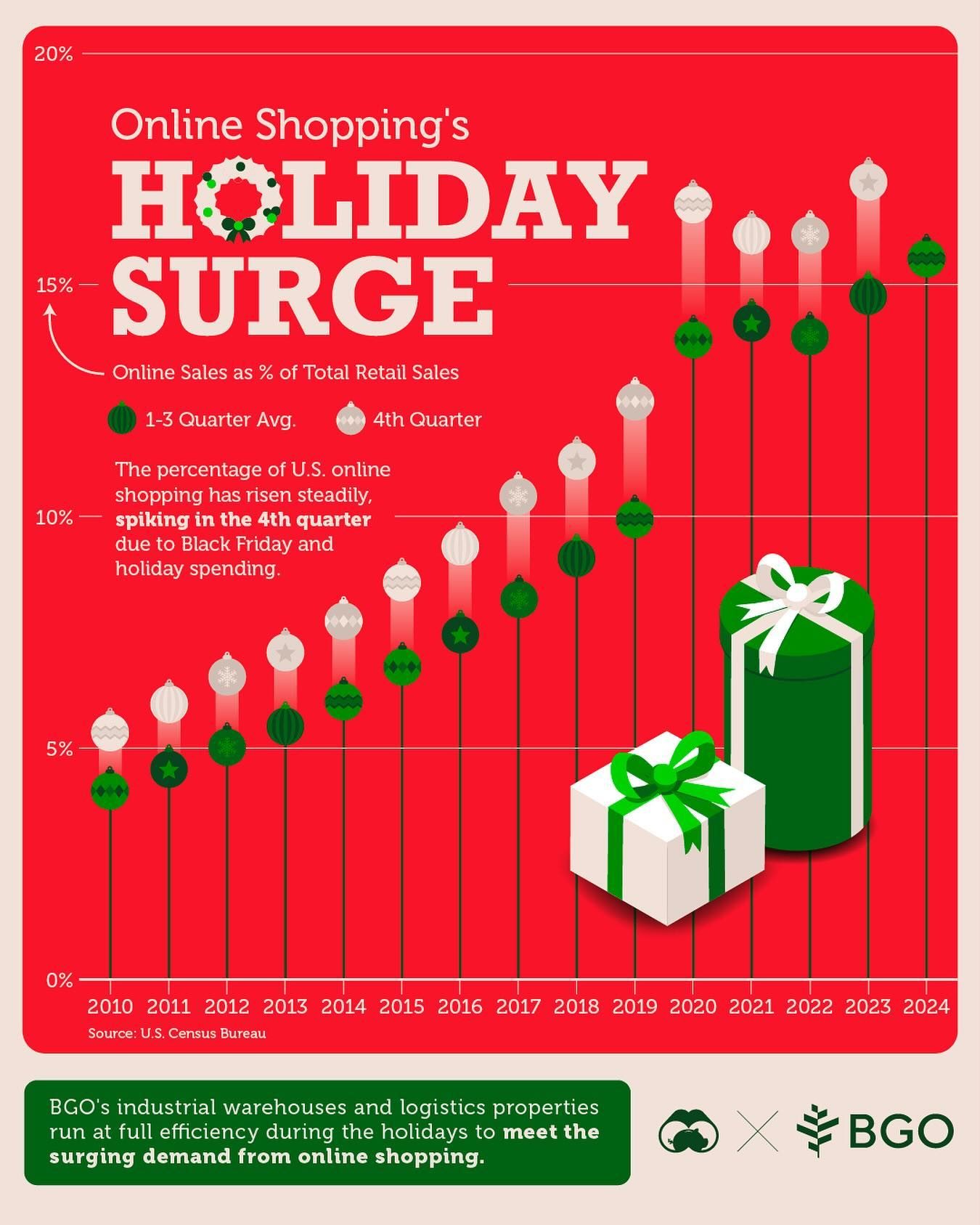
The holiday season brings a notable surge in online shopping, a trend that has been steadily increasing over the years. In 2024, online shopping accounted for a record-breaking 15.5% of total retail sales from the first to the third quarter. This figure skyrocketed to 17% in the fourth quarter of the previous year, meaning one in every six dollars spent online. This annual spike is a critical period for both retailers and consumers alike, driven by major shopping events like Black Friday and the holiday season.
Context / Why This Matters
The holiday shopping season is a pivotal time for retailers, with online sales experiencing a significant boost. This surge is not just a seasonal phenomenon; it reflects a broader shift in consumer behavior towards digital shopping. Understanding this trend is crucial for businesses to prepare adequately and for consumers to navigate the best deals and services.
Main Discussion
Historical Trends and Growth
Over the past decade, the percentage of online sales relative to total retail sales has shown a consistent upward trend. According to data from the U.S. Census Bureau, the trend has been particularly pronounced in the fourth quarter of each year. This period, which includes Black Friday and holiday spending, sees a notable spike in online shopping activity.
Key Drivers of the Holiday Surge
Several factors contribute to the annual online shopping surge during the holiday season:
- Black Friday and Cyber Monday: These events mark the unofficial start of the holiday shopping season and are known for their massive online sales and promotions.
- Holiday Gifting: The festive season encourages consumers to purchase gifts online, taking advantage of the convenience and variety offered by e-commerce platforms.
- Convenience and Accessibility: Online shopping provides the ease of browsing and purchasing from home, avoiding crowded stores and long lines.
Meeting the Demand
Managing the surge in online shopping requires significant logistical effort. Companies like BGO, which operate industrial warehouses, run at full efficiency during this period to meet the increasing demand. This preparation involves stocking up on inventory, optimizing supply chains, and enhancing customer service to handle the influx of orders.
The Role of Technology
Technology plays a crucial role in facilitating the holiday shopping surge. E-commerce platforms utilize advanced algorithms to predict and manage inventory, while data analytics help in understanding consumer behavior and preferences. Additionally, improvements in delivery services ensure that packages reach customers in time for the holidays.
Practical Tips
For retailers, preparing for the holiday shopping surge involves several practical steps:
- Inventory Management: Stock up on popular items and ensure a steady supply of inventory to meet demand.
- Logistics Planning: Optimize supply chain operations, including warehousing and delivery, to handle the increased order volume.
- Customer Service: Enhance customer support through chatbots, live chats, and 24/7 helplines to address customer inquiries and issues promptly.
- Marketing Strategies: Develop targeted marketing campaigns to attract and engage customers, highlighting holiday promotions and exclusive deals.
- Technology Integration: Utilize e-commerce platforms and tools to streamline operations, from order processing to fulfillment.
For consumers, navigating the holiday shopping surge effectively can be achieved through:
- Early Planning: Start your shopping early to avoid last-minute rushes and potential stockouts.
- Comparative Shopping: Use price comparison tools and browser extensions to find the best deals.
- Subscription Services: Consider using services that offer early access to sales and exclusive discounts.
- Secure Transactions: Be cautious of online scams and ensure that your transactions are secure by using trusted payment methods and websites.
Important Takeaways
The holiday shopping surge is a critical period for both businesses and consumers, driven by significant events like Black Friday and the holiday season. Retailers must be prepared to meet the increased demand through strategic planning and logistical efficiency. Consumers, on the other hand, can benefit from early planning, comparative shopping, and secure transactions.
Understanding the trends and drivers behind this surge can help both parties navigate the season more effectively, making the most of the opportunities it presents.
Conclusion
The holiday shopping surge is a defining feature of the retail calendar, with online shopping playing an increasingly significant role. By staying informed about the trends, preparing adequately, and leveraging technology, both retailers and consumers can make the most of this crucial period. As the holiday season approaches, it is essential to be mindful of the surge and adapt accordingly to ensure a smooth and successful shopping experience.
Watch the Reel
Questions readers ask
What are the key dates to watch for online holiday shopping in 2024?
Key dates to watch for online holiday shopping in 2024 include Black Friday and Cyber Monday. Black Friday, the day after Thanksgiving, typically kicks off the holiday shopping season with significant discounts. Cyber Monday, the following Monday, is another major event focused on online deals.
How much of total retail sales are expected to be online during the 2024 holiday season?
During the 2024 holiday season, online shopping is expected to account for a significant portion of total retail sales. In the fourth quarter of 2023, it reached 17%, meaning one in every six dollars spent online. This trend is expected to continue and may even increase in 2024.
What factors are driving the surge in online holiday shopping?
The surge in online holiday shopping is driven by the convenience and accessibility of e-commerce platforms. Consumers can easily browse, compare prices, and make purchases from the comfort of their homes, eliminating the need for long queues and crowded stores. Additionally, promotional events like Black Friday and Cyber Monday offer significant discounts and incentives.
Why should businesses focus on their online presence during the holiday shopping period?
The holiday shopping period is crucial for businesses as it can significantly boost their sales. With the majority of consumers preferring online shopping, having a strong online presence, including a user-friendly website and efficient delivery services, can attract more customers and increase revenue.
What are some effective strategies for consumers to save money during online holiday shopping?
Consumers can save money during online holiday shopping by planning ahead and setting a budget. Additionally, taking advantage of promotional codes, signing up for newsletters to receive exclusive deals, and comparing prices across different websites can help in finding the best offers.
How do online shopping trends in 2024 reflect larger consumer behavior changes?
The online shopping trends in 2024 reflect a broader shift in consumer behavior toward digital platforms. The convenience, accessibility, and variety offered by online shopping have made it a preferred choice for many. This trend is likely to continue, reshaping the retail landscape and influencing how businesses approach sales and marketing strategies.
Recent articles
Fresh deep dives from the latest Reels we unpacked.




Comments
Be the first to comment.