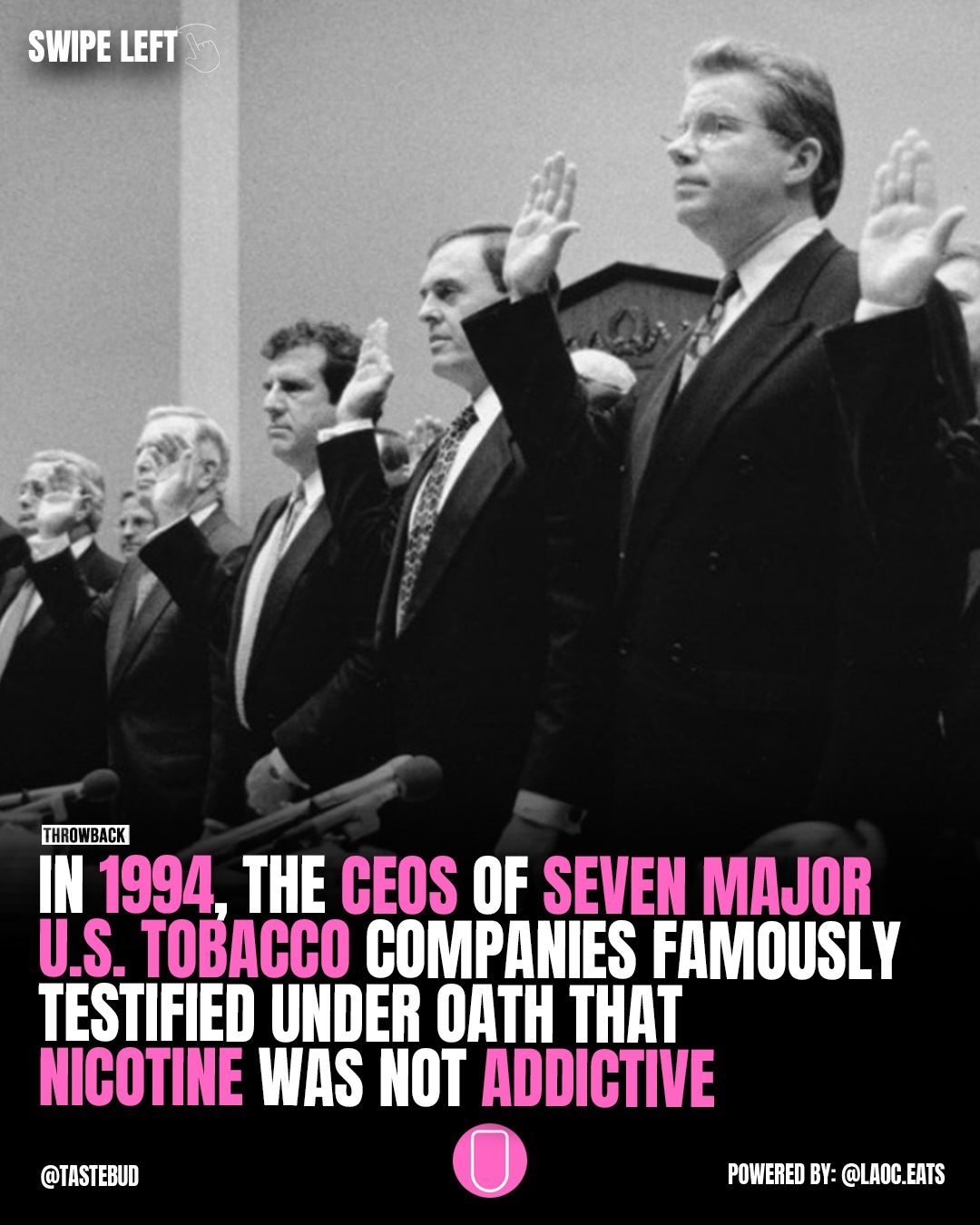
The 1994 Tobacco CEOs Testimony
In 1994, a pivotal moment in corporate history unfolded when the CEOs of seven major U.S. tobacco companies appeared before Congress. Known as the "Seven Dwarfs," these industry leaders made a controversial claim: they testified under oath that nicotine was not addictive. This statement, made despite internal industry research indicating otherwise, sparked a significant public and legal backlash.
Why This Matters
The testimony of these tobacco CEOs is a landmark event in the history of public health and corporate accountability. It underscores the complexities of industry regulation, the power of public perception, and the consequences of corporate misconduct. This moment not only reshaped the tobacco industry but also set a precedent for how corporations are held accountable for their actions.
The Testimony and Its Aftermath
The Controversial Claim
The CEOs' denial of nicotine's addictive nature was met with shock and disbelief. The public, as well as health advocates, were outraged, given the well-documented health risks associated with tobacco use. Internal industry documents, later revealed, showed that these companies were aware of nicotine's addictive properties but chose to mislead the public. This discrepancy between public statements and internal knowledge created a trust deficit that would take years to address.
Public and Legal Backlash
The fallout from the testimony was immediate and severe. Public backlash led to investigations and legal battles that stretched over several years. The tobacco industry faced a wave of lawsuits from individuals, states, and the federal government, all seeking compensation for health damages and seeking to hold the companies accountable.
The Master Settlement Agreement
The culmination of these legal battles was the 1998 Master Settlement Agreement, a historic deal worth $206 billion. This agreement involved major tobacco companies agreeing to pay billions in penalties and to implement restrictions on marketing and advertising to young people. This deal significantly reshaped the tobacco industry, introducing stricter regulations and public health initiatives aimed at reducing tobacco use.
Key Players and Their Roles
The "Seven Dwarfs" included CEOs from some of the largest tobacco companies in the United States. The group included leaders from names like Phillip Morris, R.J. Reynolds, Brown & Williamson, Lorillard, American Tobacco, Liggett Group, and the United States Tobacco Company. These companies, collectively, had a significant influence on the industry and were responsible for a large portion of tobacco sales in the country.
The Role of Phillip Morris
Phillip Morris, one of the largest tobacco companies at the time, played a central role in the controversy. The company's CEO, Geoffrey Bible, was among those who testified, asserting that nicotine was not addictive. Phillip Morris's influence and market dominance made their statements particularly impactful, contributing to the widespread public backlash and legal scrutiny.
Practical Tips for Understanding Corporate Testimonies
Researching Corporate Statements
Always approach corporate statements with a critical eye, especially when they concern public health or safety. Investigate any available internal documents or whistleblower testimonies that might contradict public assertions.
Understanding the Legal Implications
Legal battles stemming from corporate misconduct can have far-reaching implications. The Master Settlement Agreement, for example, not only penalized the companies financially but also set new standards for transparency and accountability in the industry.
The Power of Public Perception
Public perception plays a crucial role in shaping corporate actions and policies. The backlash from the 1994 testimony highlighted how public outrage can lead to regulatory changes and legal consequences for corporations.
Important Takeaways
The 1994 tobacco CEOs' testimony serves as a reminder of the importance of transparency and accountability in corporate operations. It highlights the potential consequences of misleading the public, even in the face of internal knowledge to the contrary. The subsequent legal battles and the Master Settlement Agreement underscore the need for rigorous regulatory oversight and public vigilance to ensure that corporations act responsibly.
Conclusion
The 1994 testimony by the CEOs of major U.S. tobacco companies remains a defining moment in both corporate and public health history. It serves as a cautionary tale about the dangers of corporate misconduct and the importance of holding companies accountable for their actions. The fallout from this event reshaped the tobacco industry and set new standards for public health and regulatory oversight. Understanding this historic moment provides valuable insights into the complexities of corporate behavior and the power of public scrutiny.
Watch the Reel
Questions readers ask
What were the Seven Dwarfs of the tobacco industry?
The Seven Dwarfs was a nickname given to the CEOs of seven major U.S. tobacco companies who testified before Congress in 1994. These industry leaders were William Campbell (Philip Morris), Andrew T. Haines (Lorillard), Andrew J. Conway (Brown & Williamson), Thomas C. Sanders (Liggett Group), Donald J. Johnston (R.J. Reynolds), Thomas W. Crippen (American Tobacco Company), and William E. Worrell (BAT Industries).
What exactly did the tobacco CEOs claim in 1994?
In 1994, the tobacco CEOs testified under oath that they believed nicotine was not addictive. This claim was controversial because it contradicted internal industry research indicating that nicotine is, indeed, addictive.
What was the public response to the 1994 tobacco CEOs testimony?
The public response to the 1994 testimony was one of outrage and disbelief. Many people found it hard to believe that the CEOs, who were representing companies that profited from selling cigarettes, could genuinely claim ignorance about the addictive nature of nicotine.
What legal actions followed the 1994 tobacco CEOs testimony?
The 1994 testimony led to a historic settlement, known as the Master Settlement Agreement, in which the tobacco industry agreed to pay billions of dollars to states. The settlement also included restrictions on marketing and regulations aimed at reducing youth smoking.
What was the impact of the 1994 tobacco CEOs testimony on public perception of the tobacco industry?
The 1994 testimony significantly altered public perception of the tobacco industry. Many people began to view the industry with skepticism and mistrust, leading to increased scrutiny and calls for greater regulation and accountability.
Why did the 1994 tobacco CEOs testimony spark legal battles?
The testimony sparked legal battles because it was later revealed that the CEOs' claims contradicted internal documents and research showing that the tobacco industry was aware of nicotine's addictive properties. This led to lawsuits and investigations into corporate misconduct.
How did the 1994 testimony shape the future of the tobacco industry?
The 1994 testimony marked a turning point for the tobacco industry. It led to increased regulation, restrictions on marketing, and a heightened sense of corporate responsibility. The industry was forced to change its practices and face the consequences of its past misconduct.
Related deep dives
Similar reads based on topic and creator.



Recent articles
Fresh deep dives from the latest Reels we unpacked.




Comments
Be the first to comment.